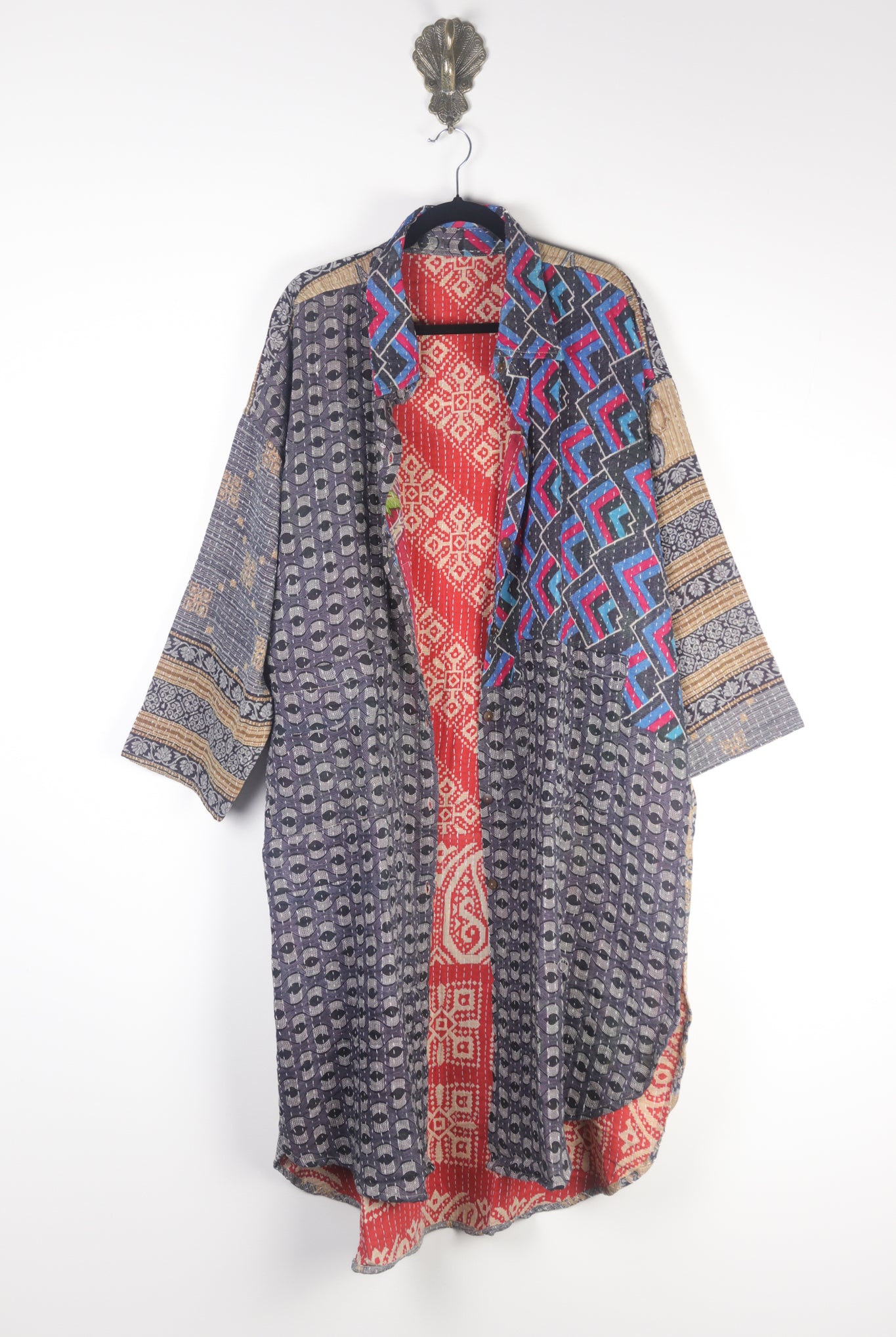
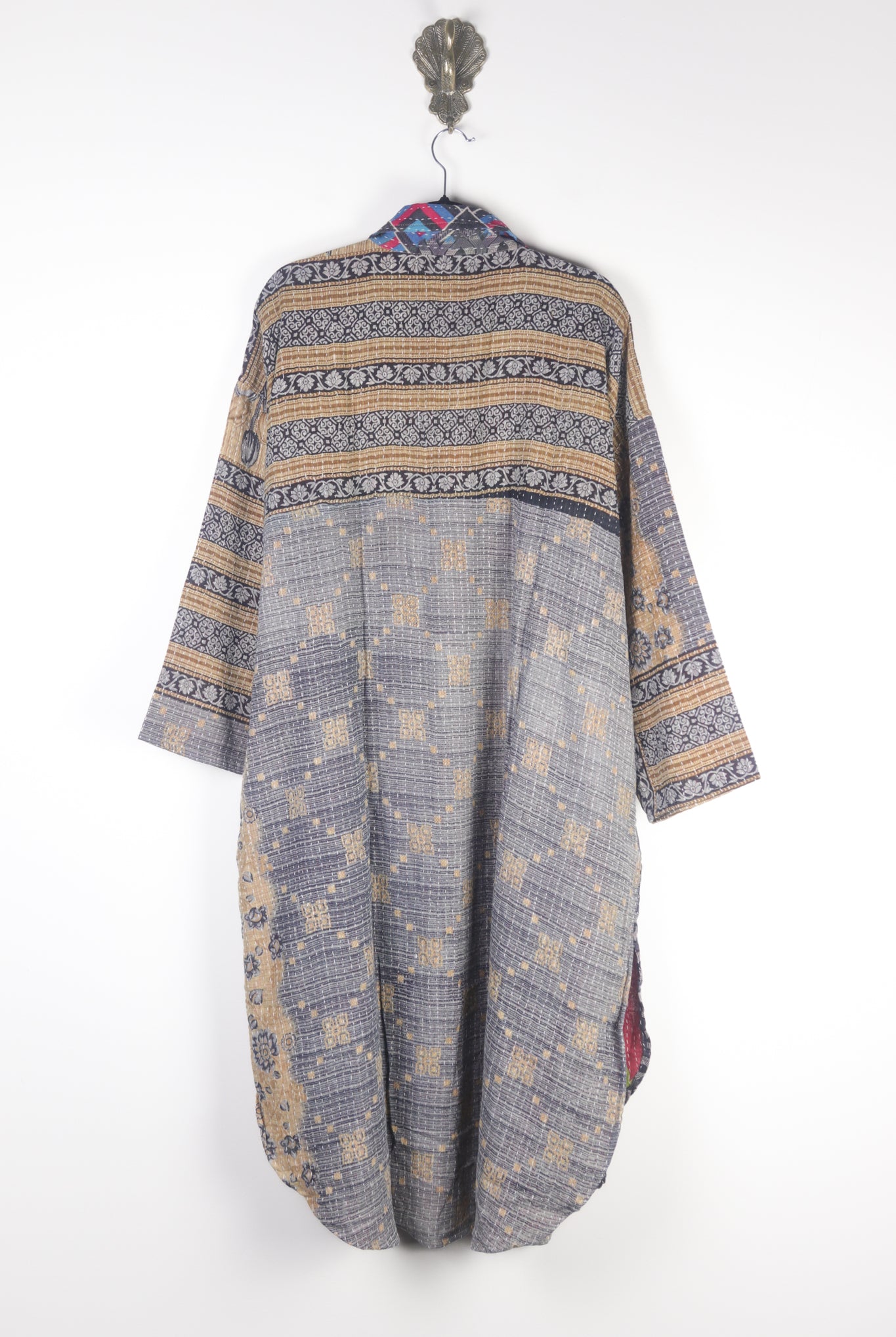
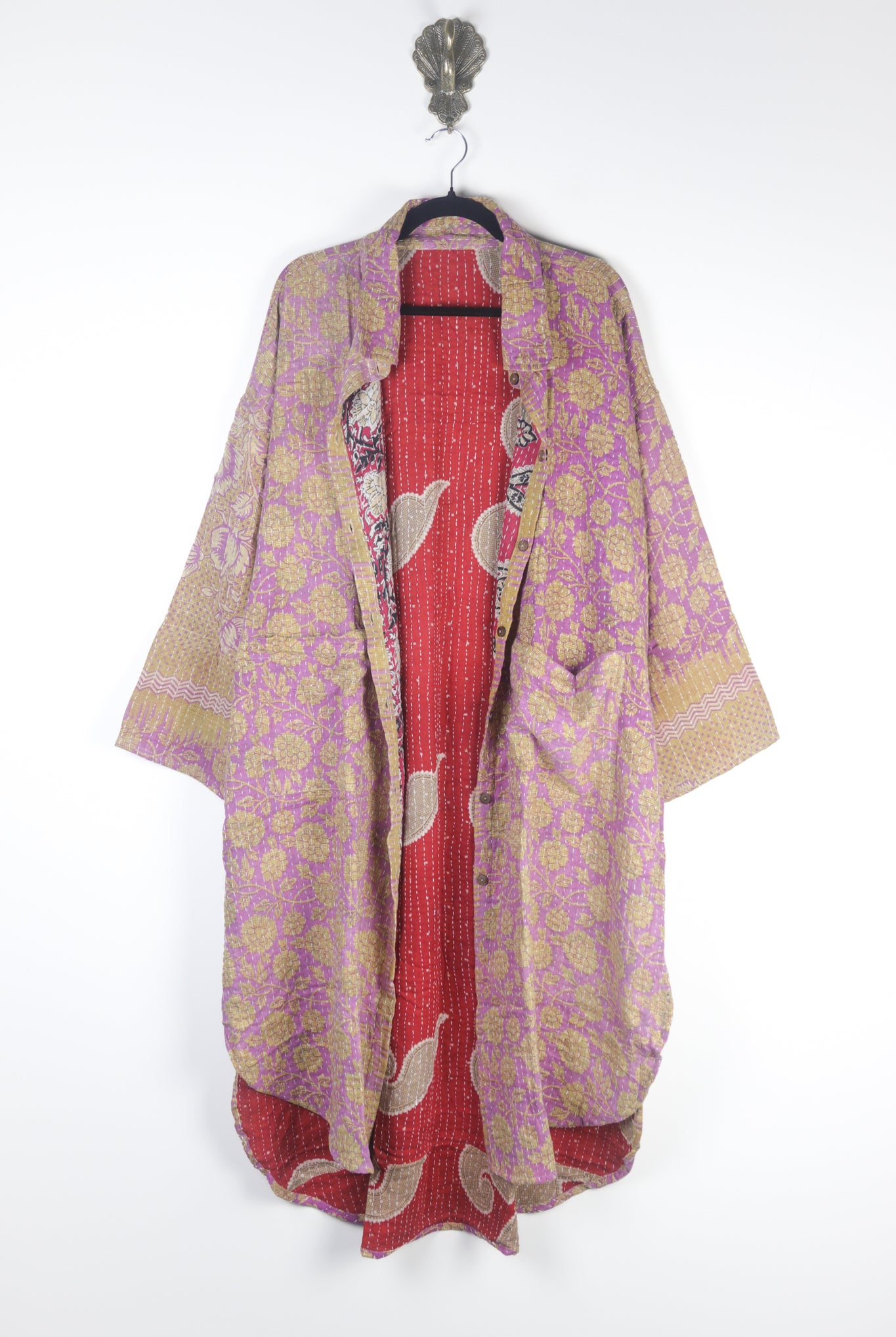
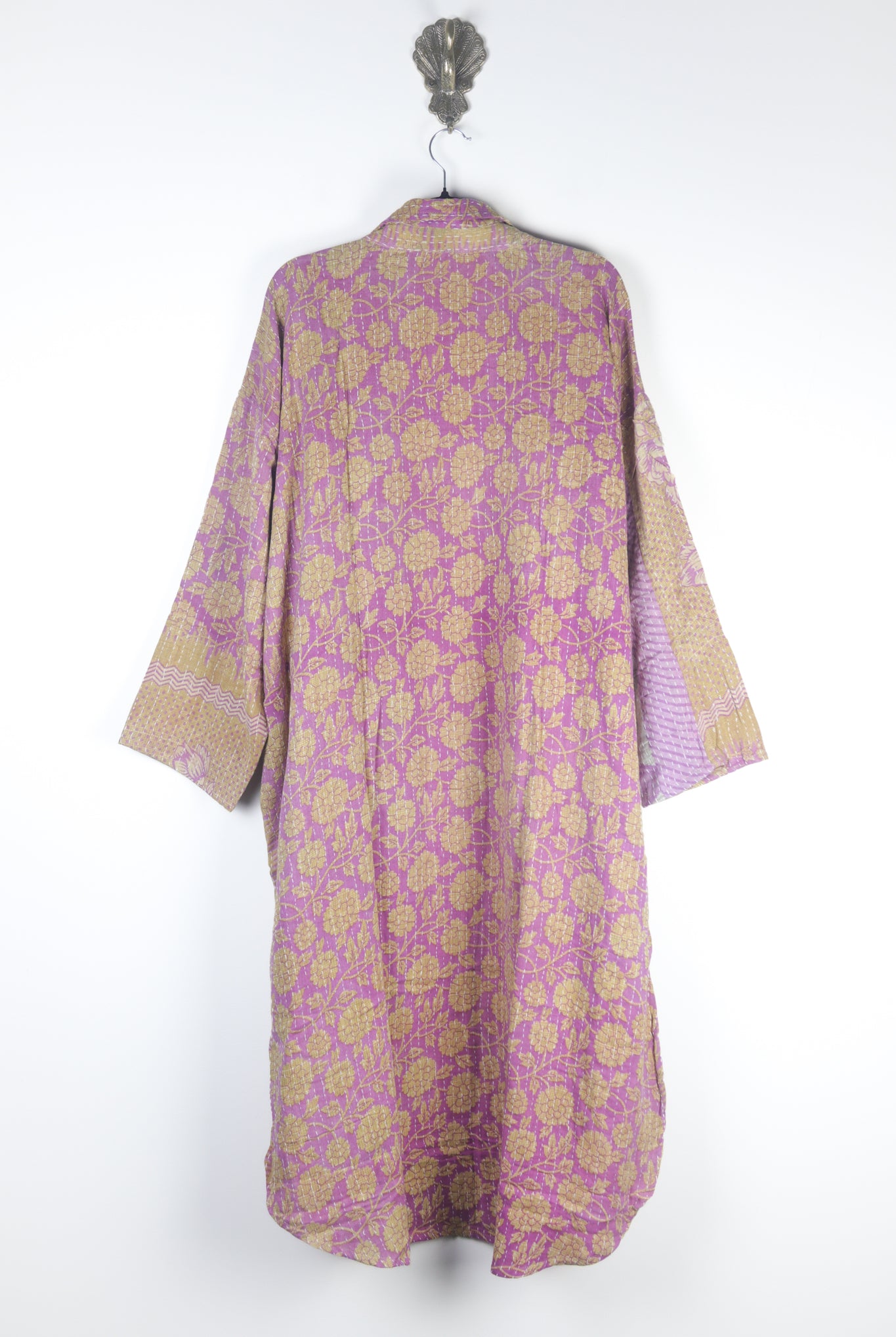
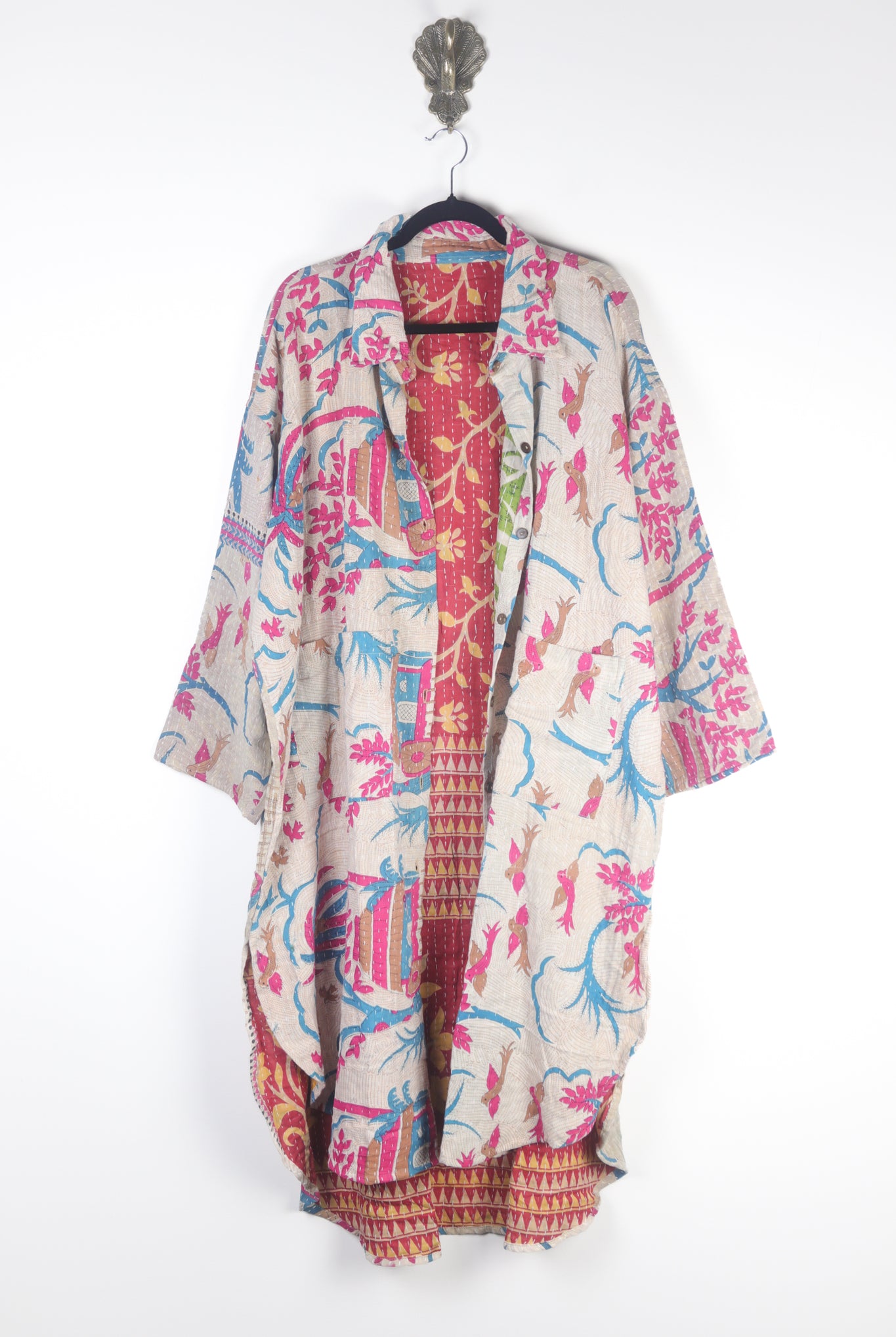
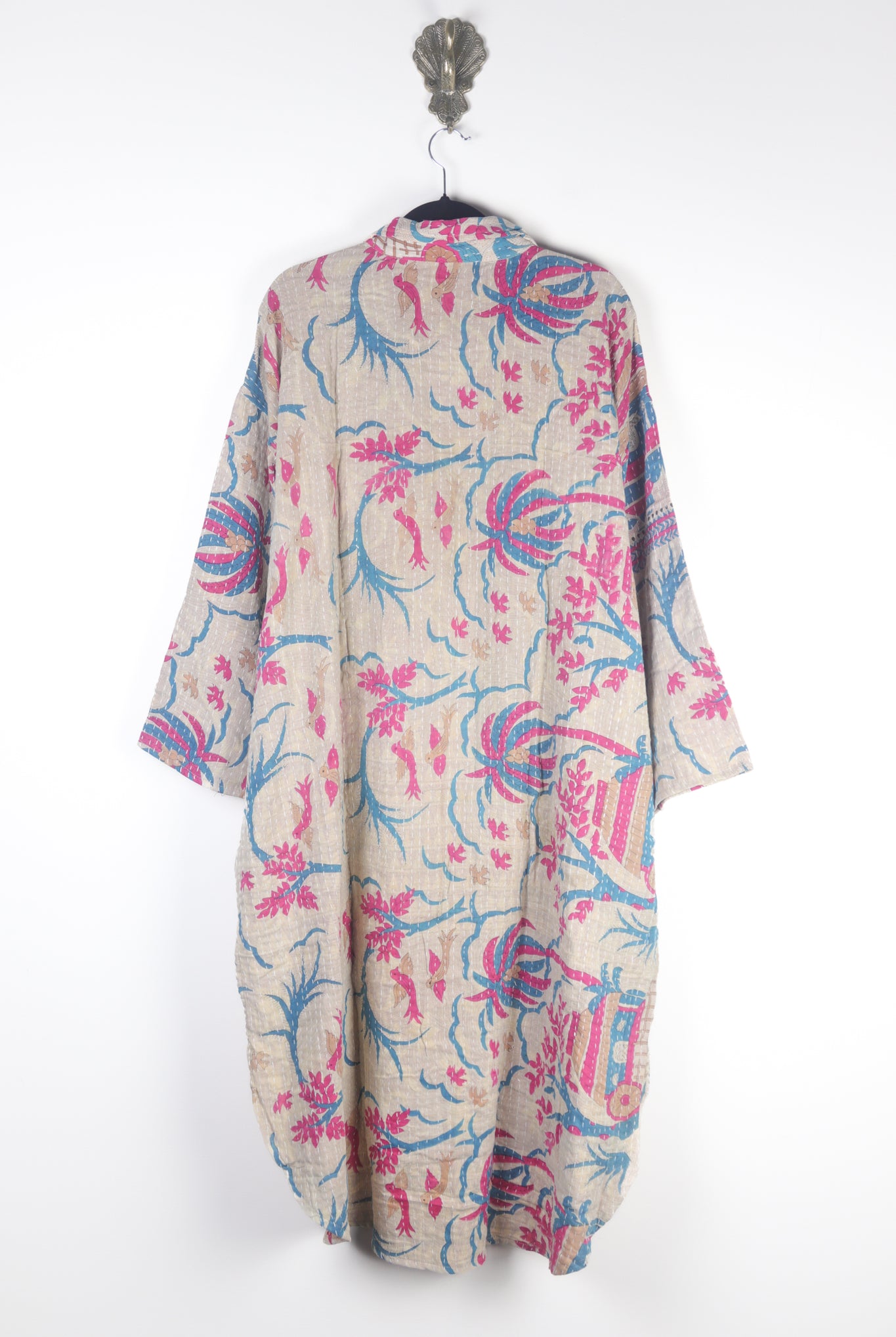
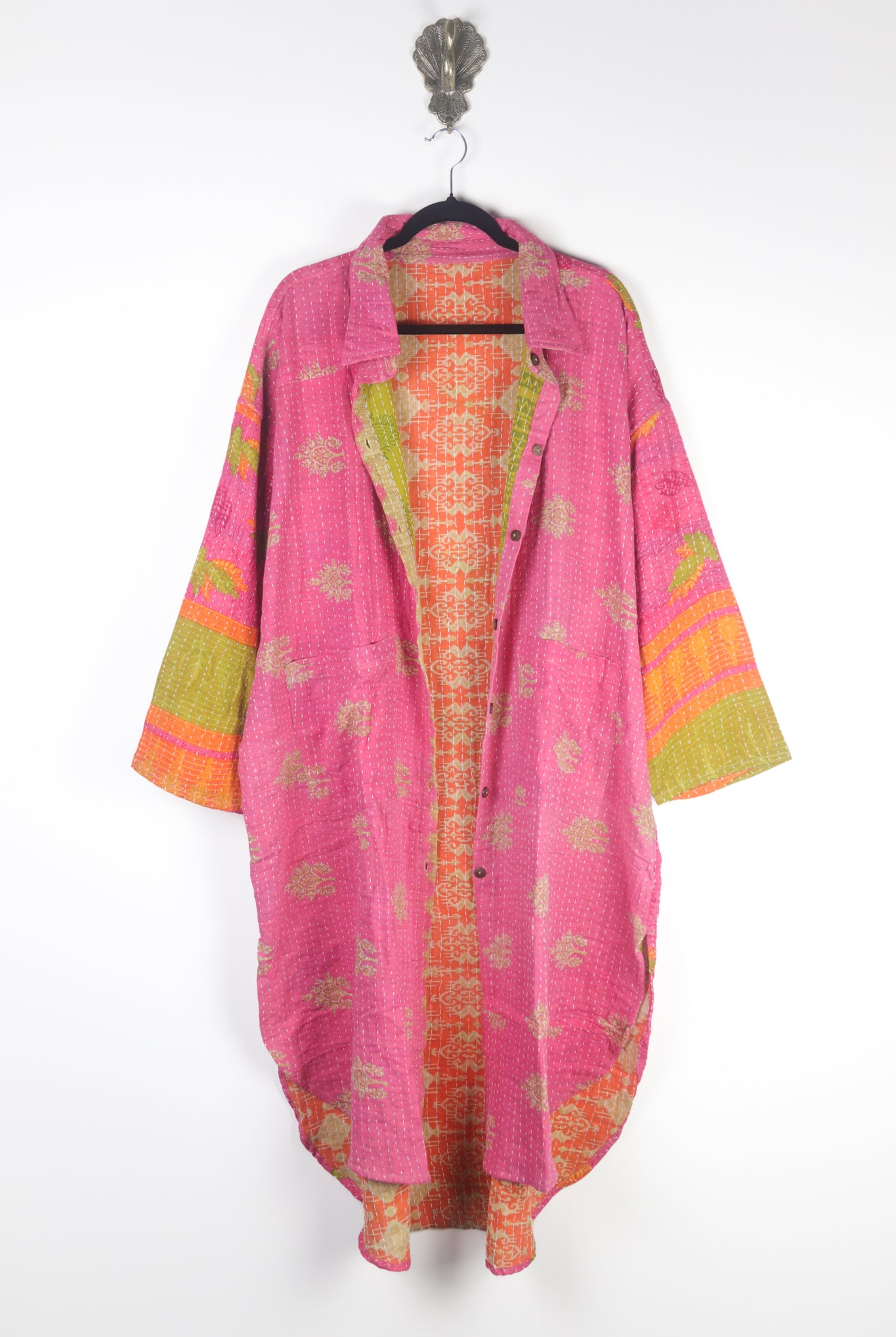
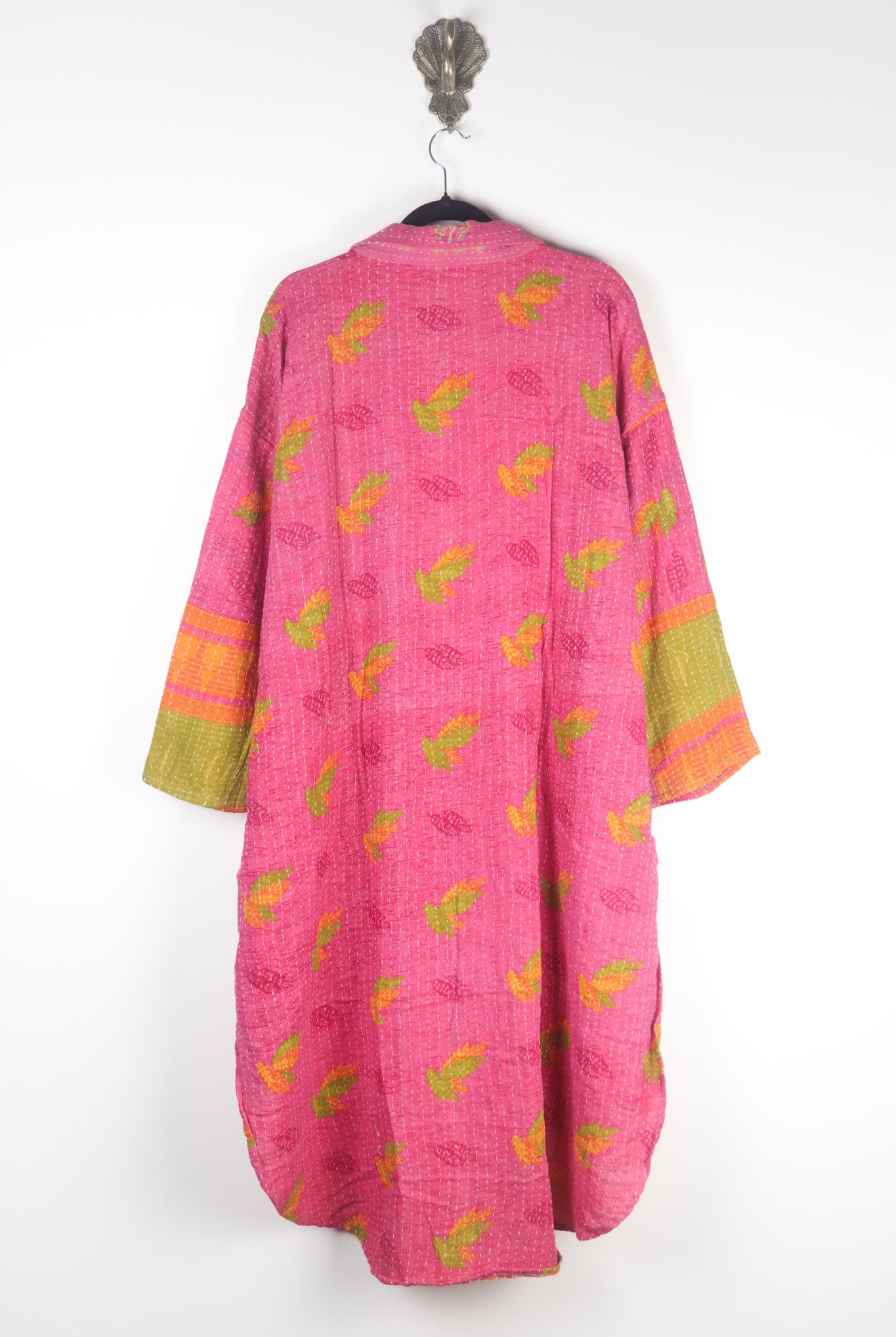
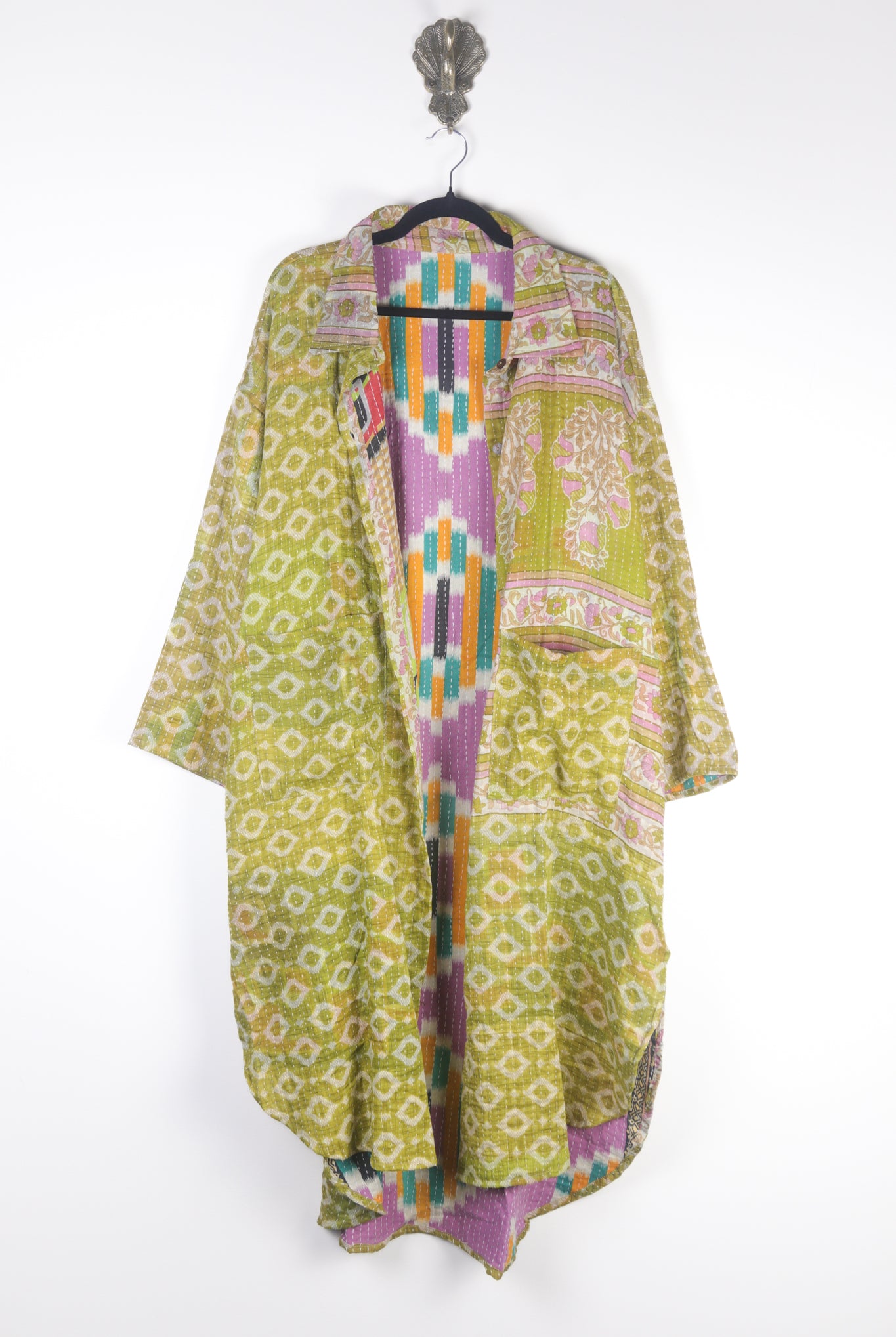
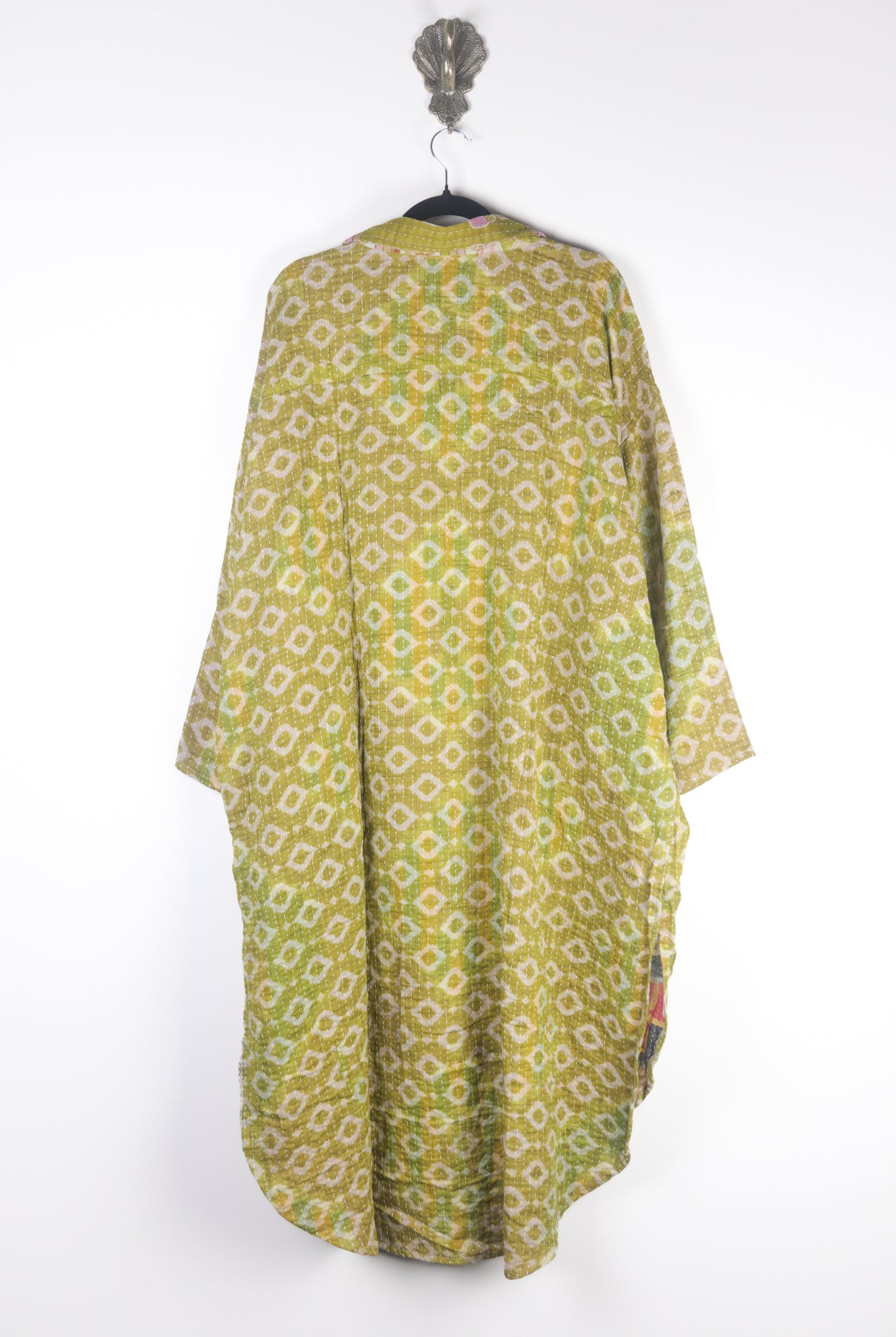
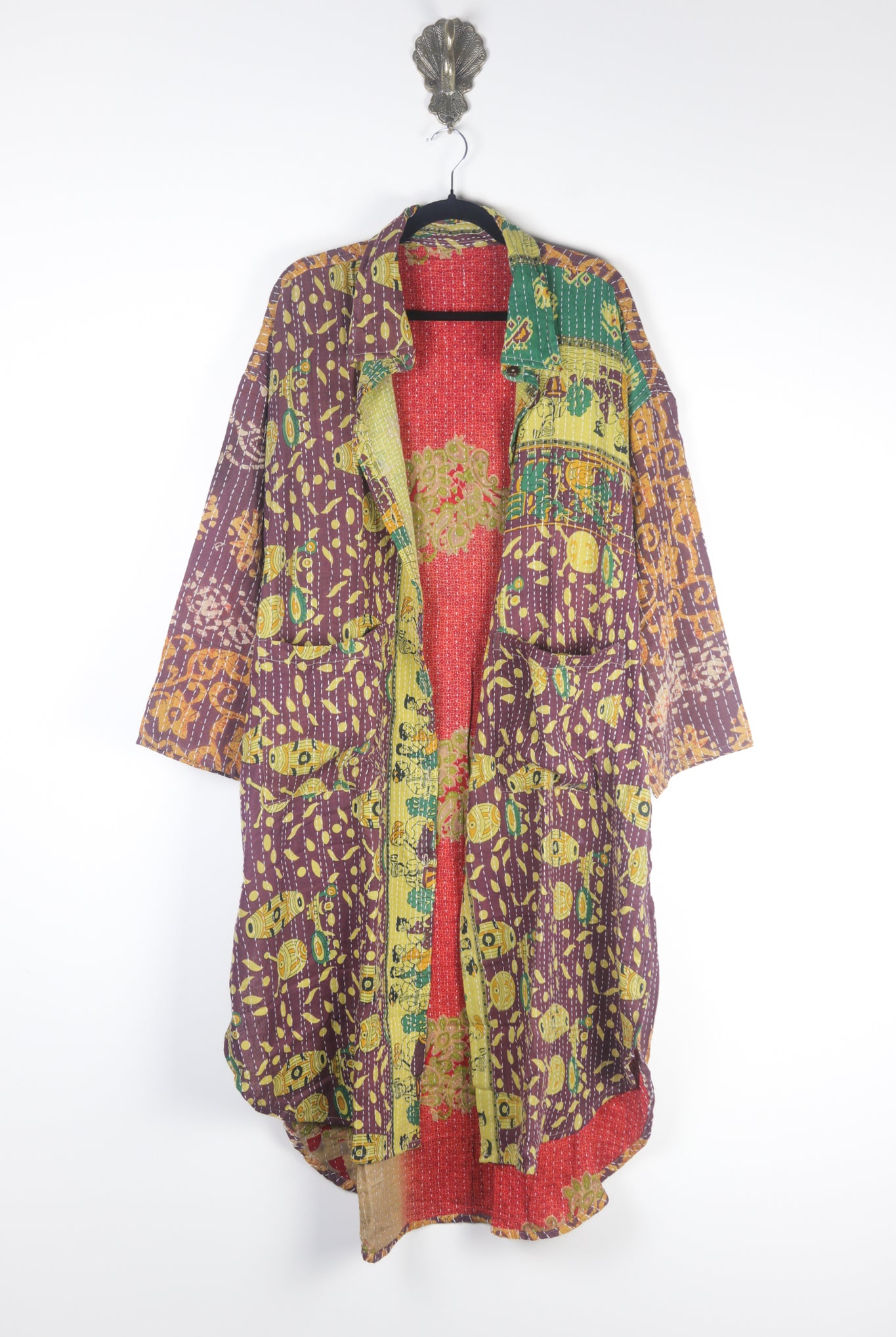
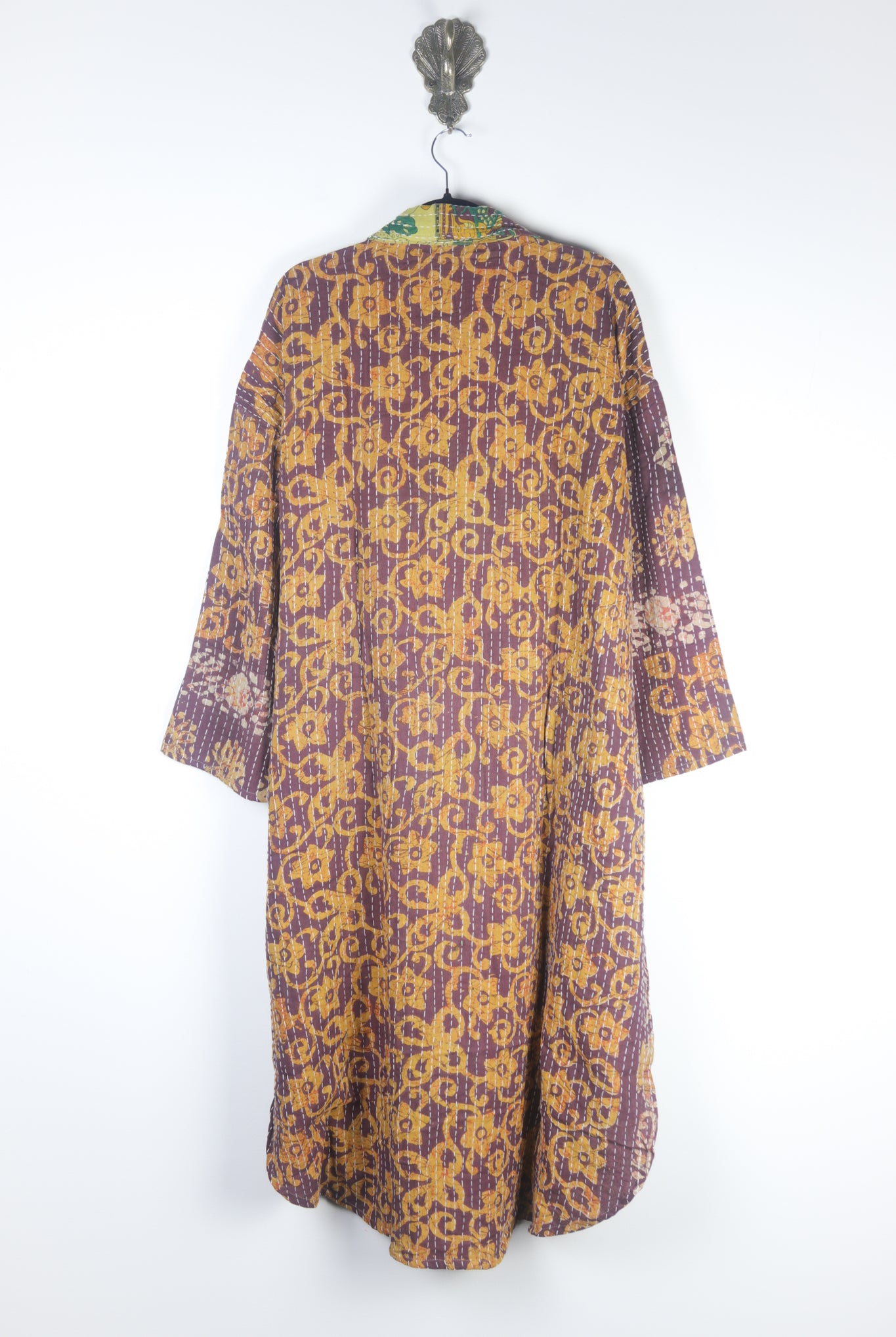
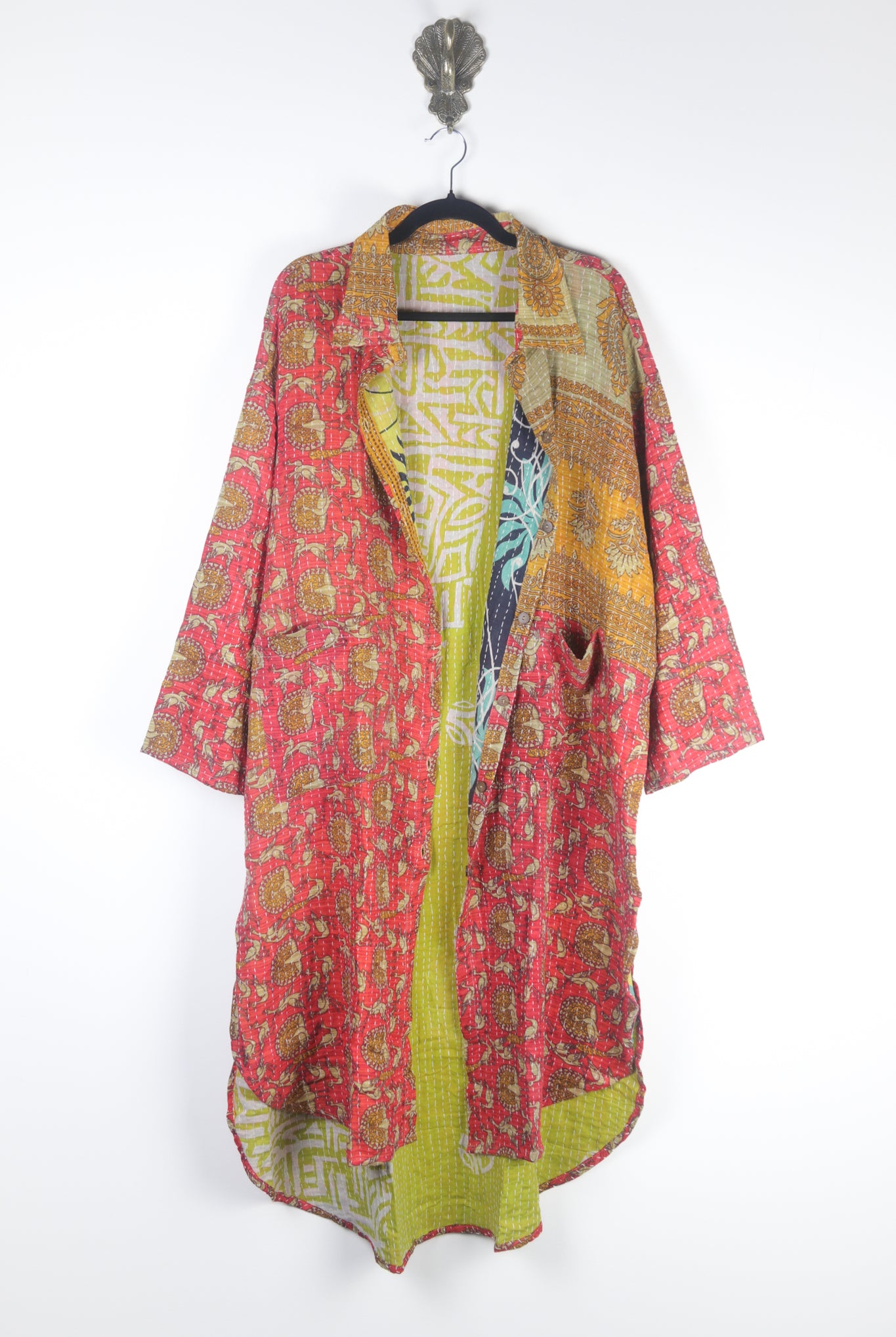
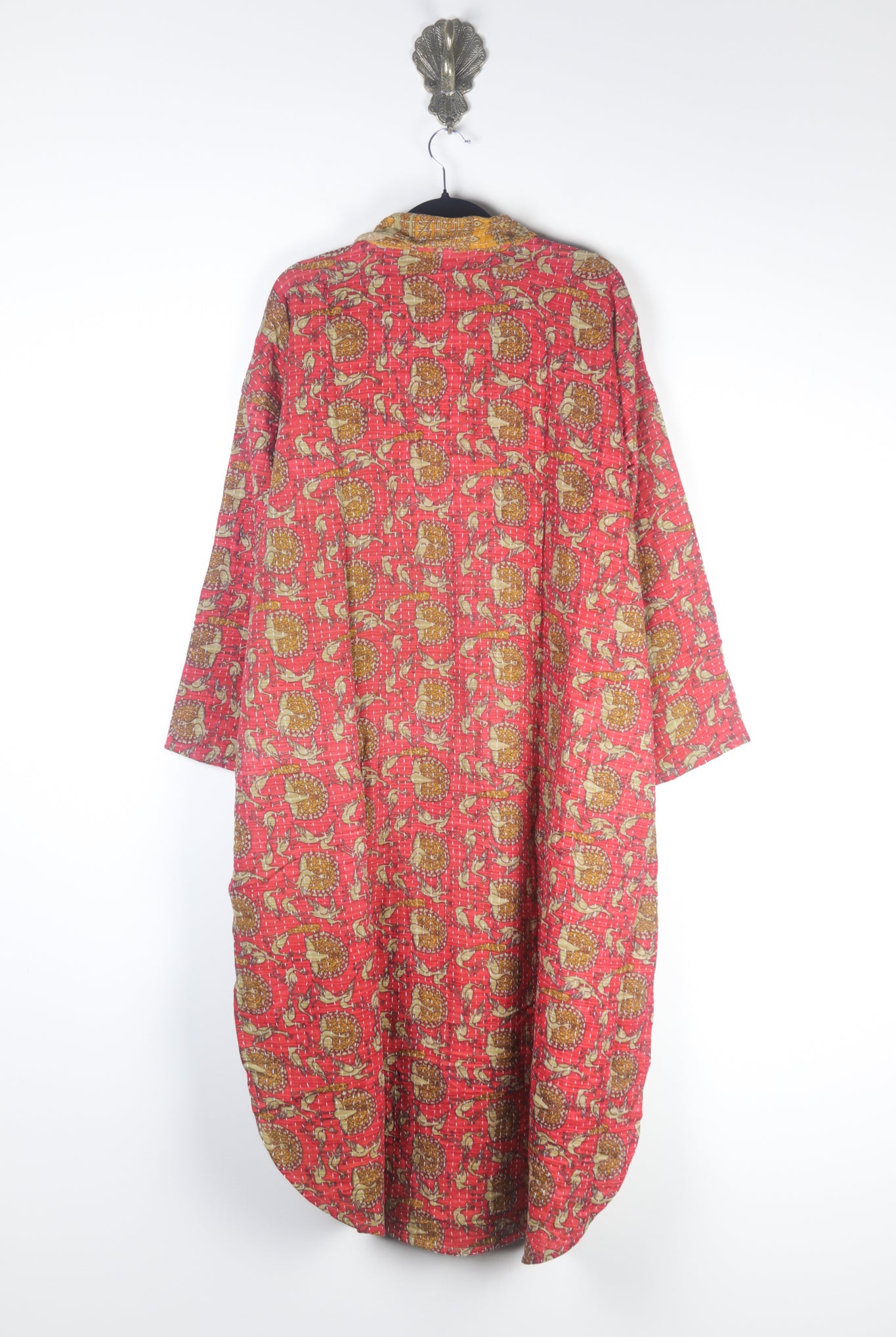
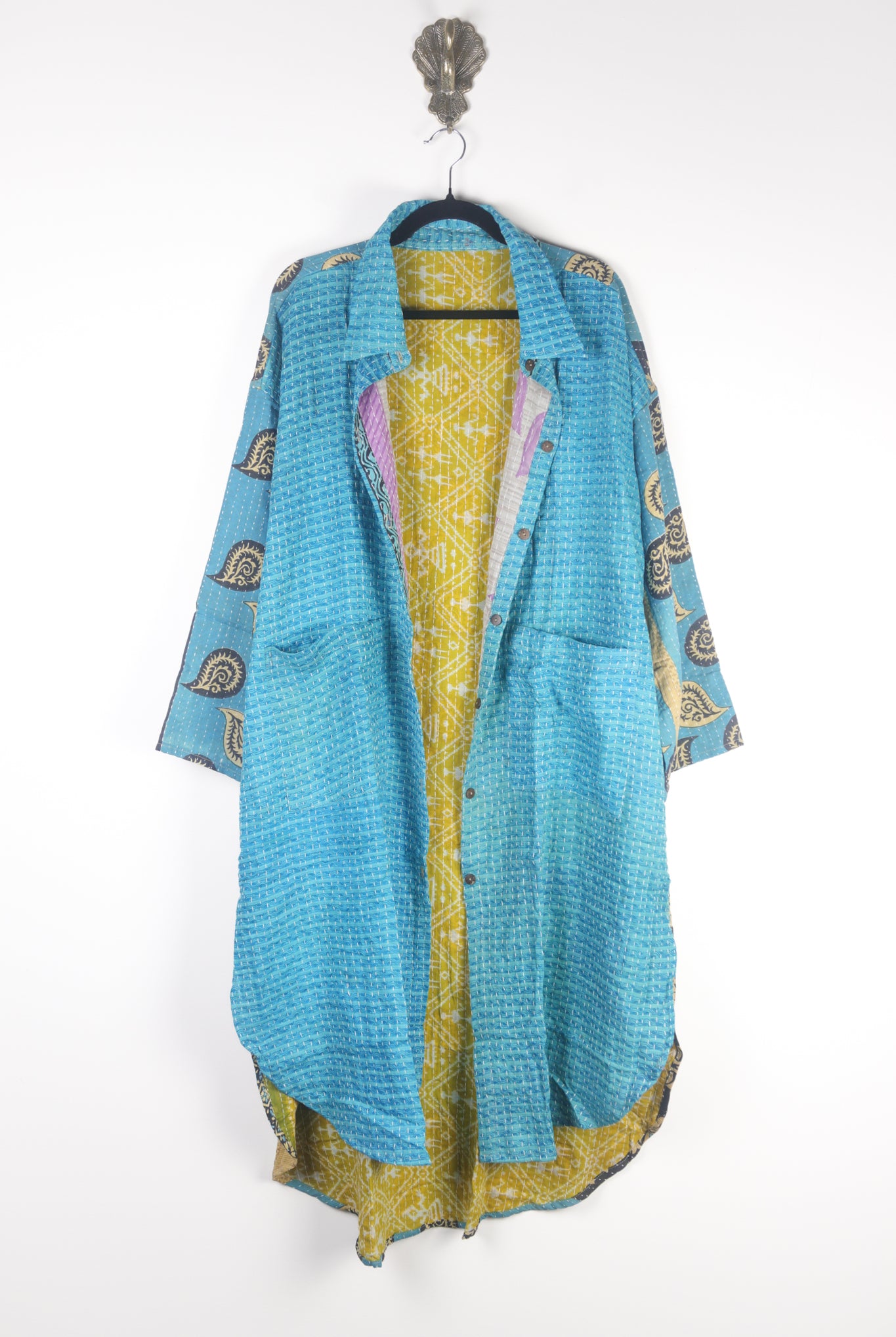
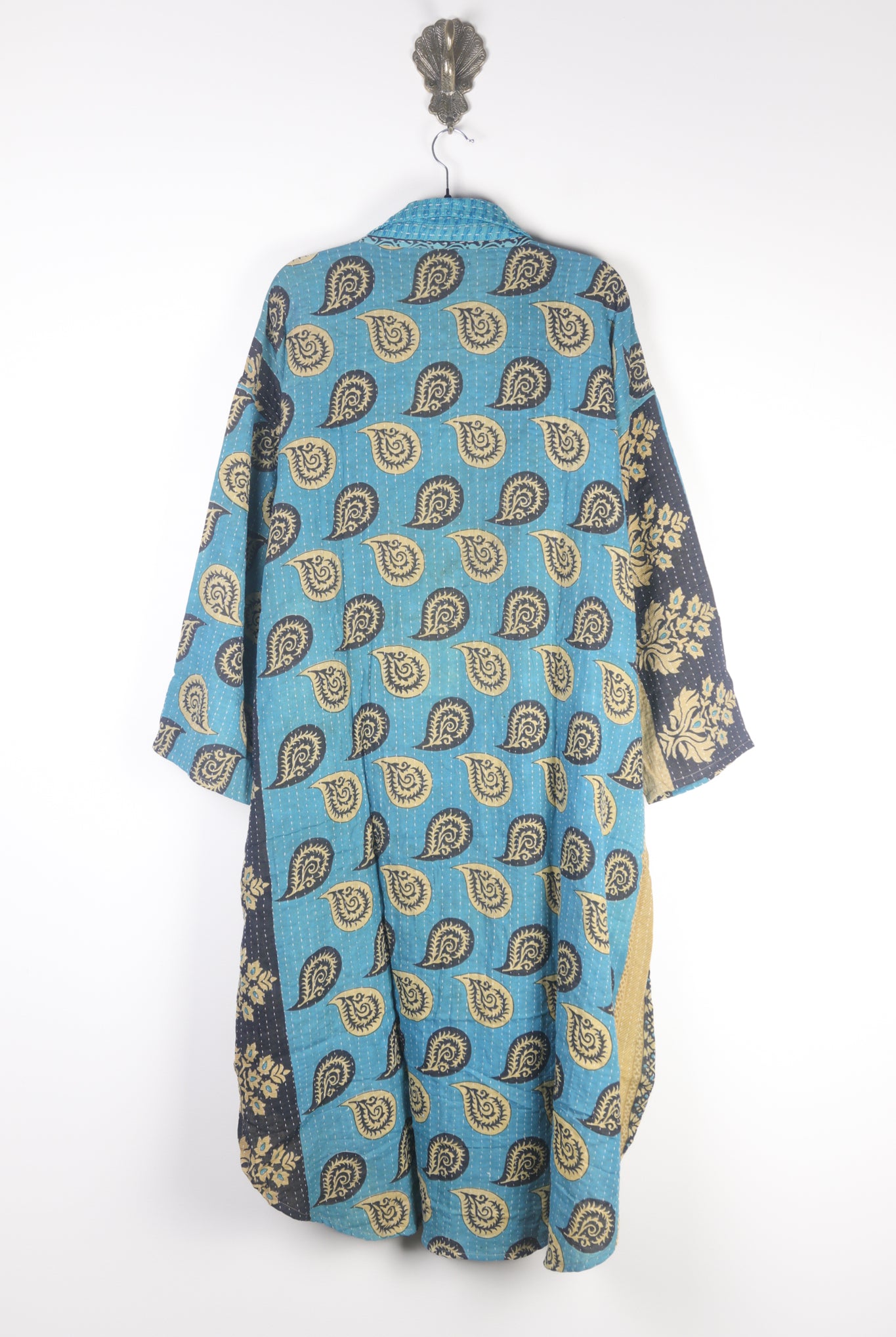
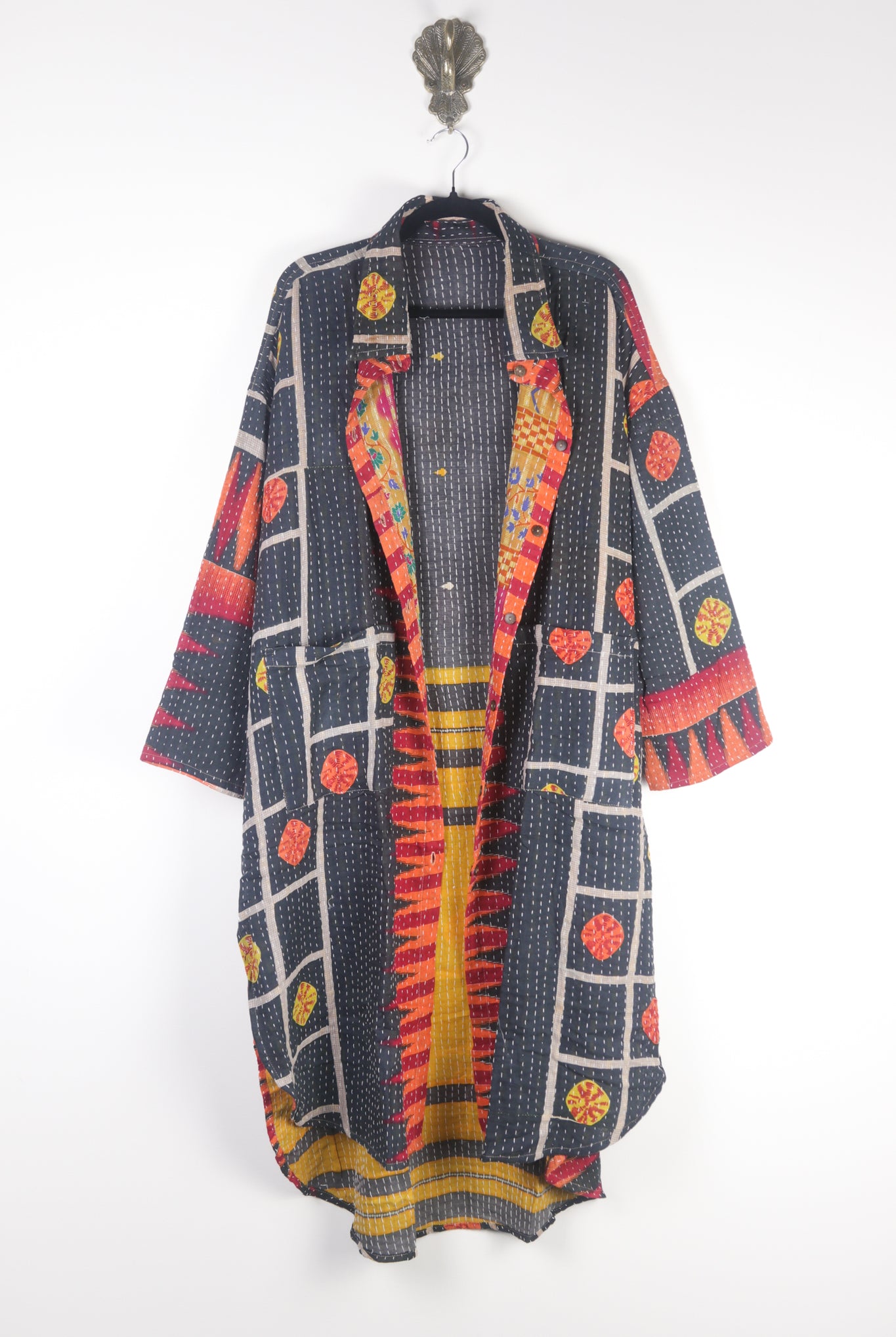
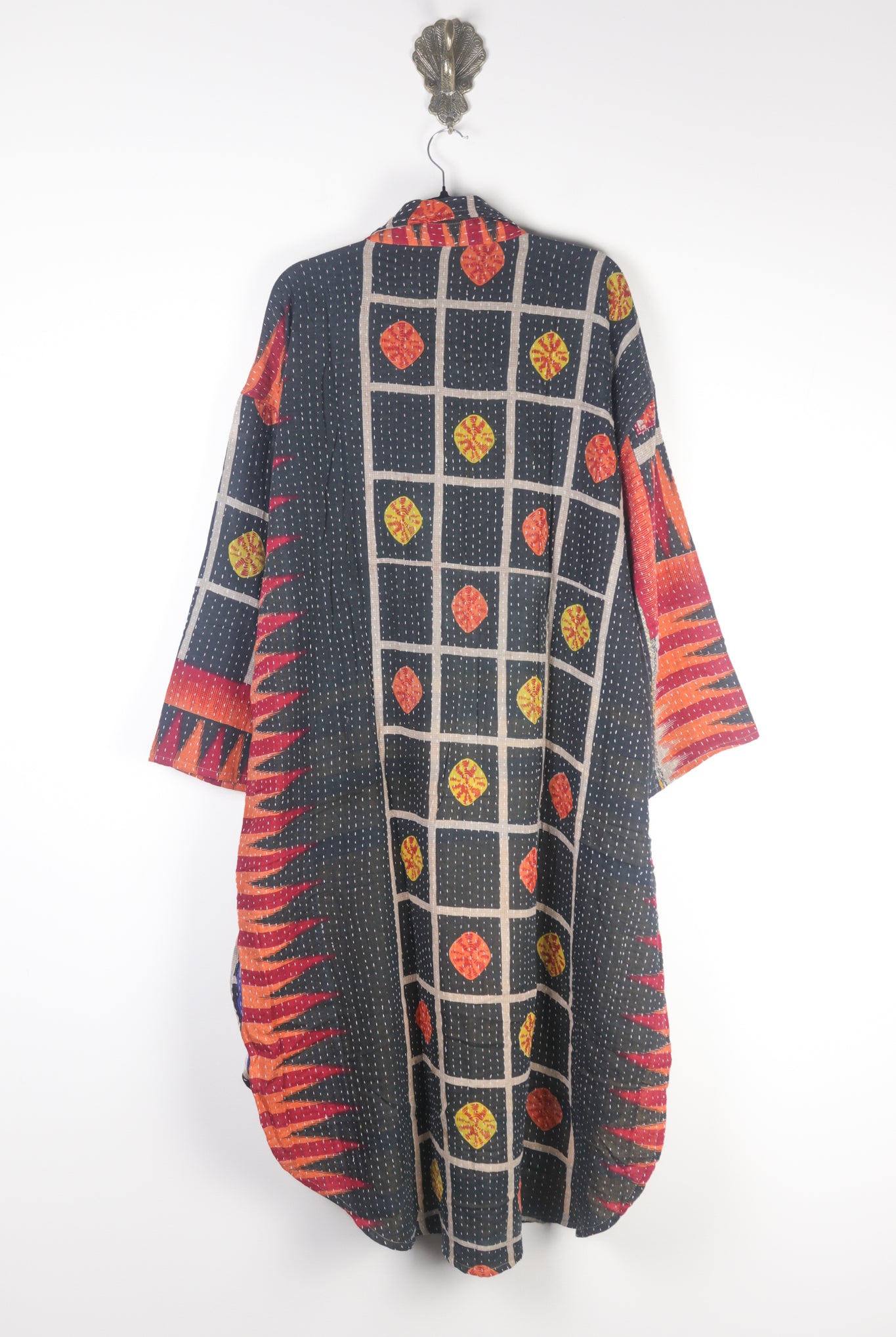
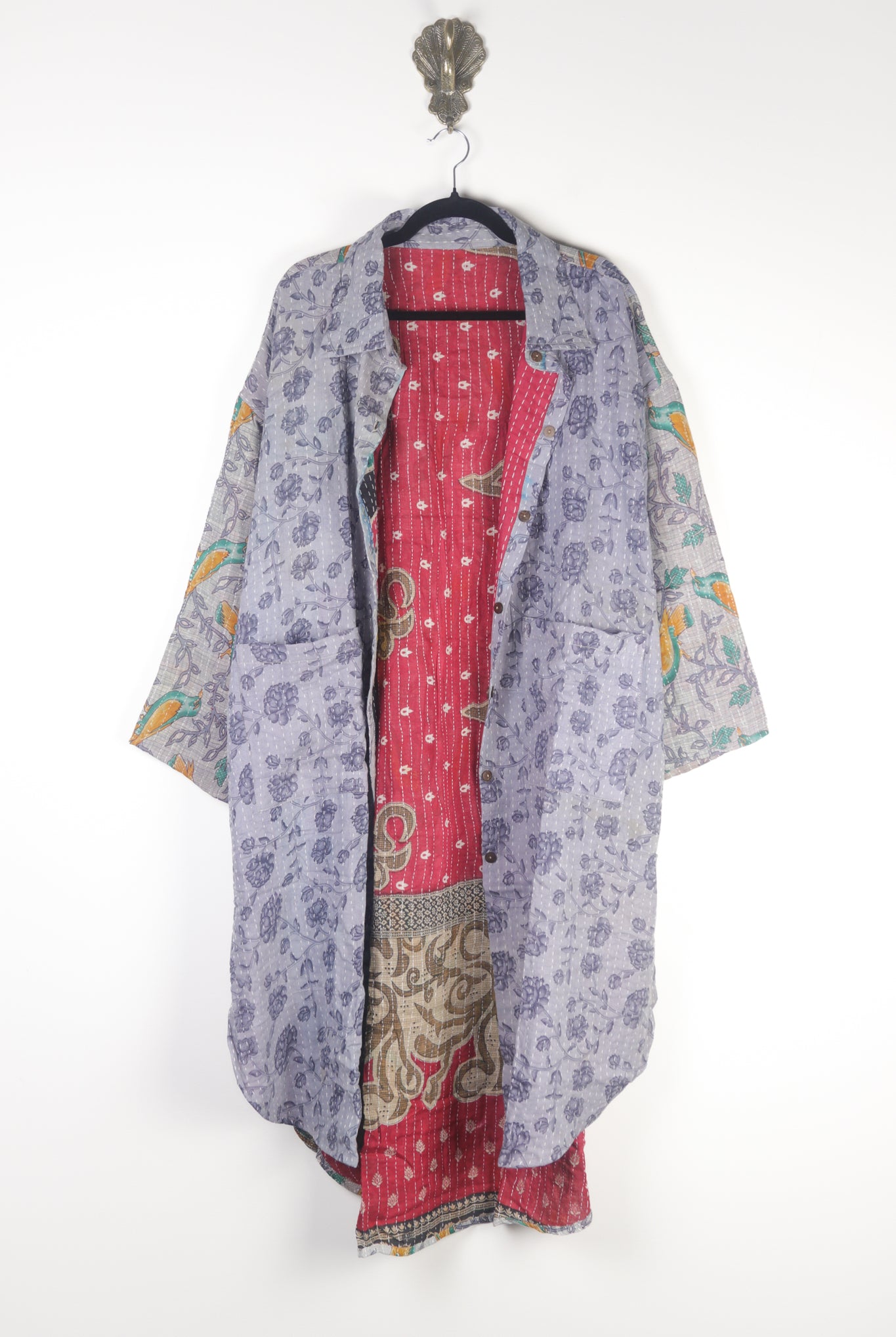
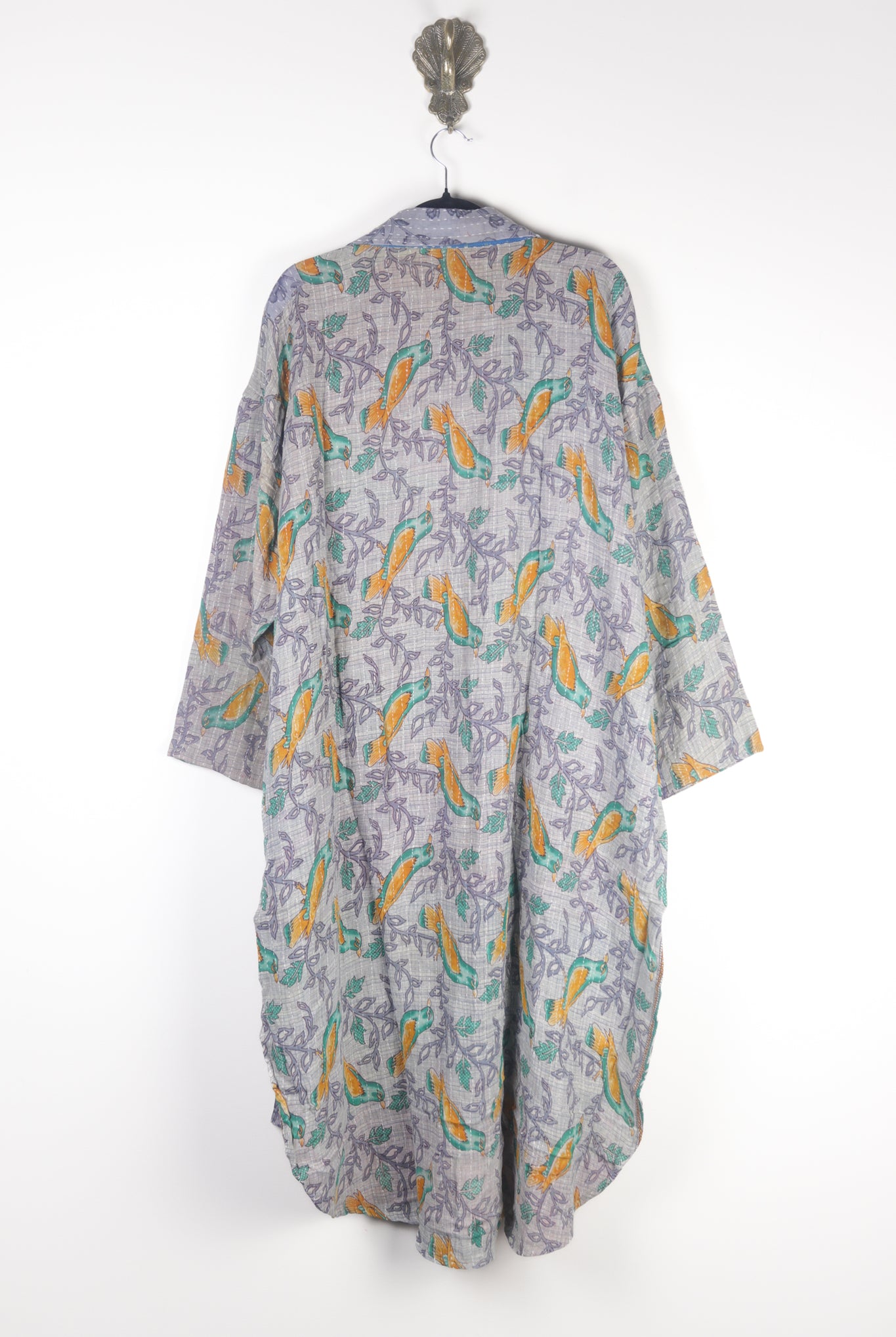
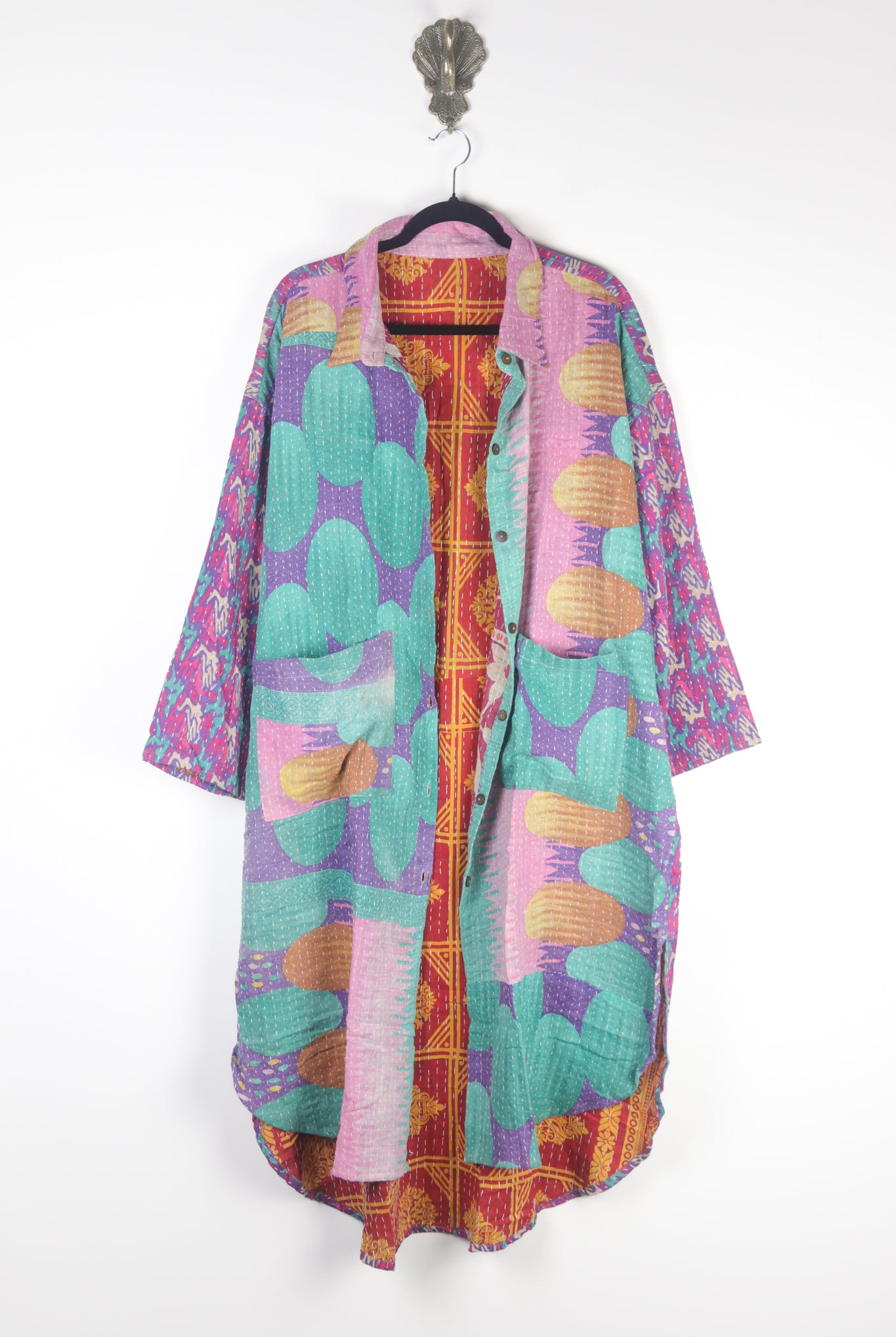
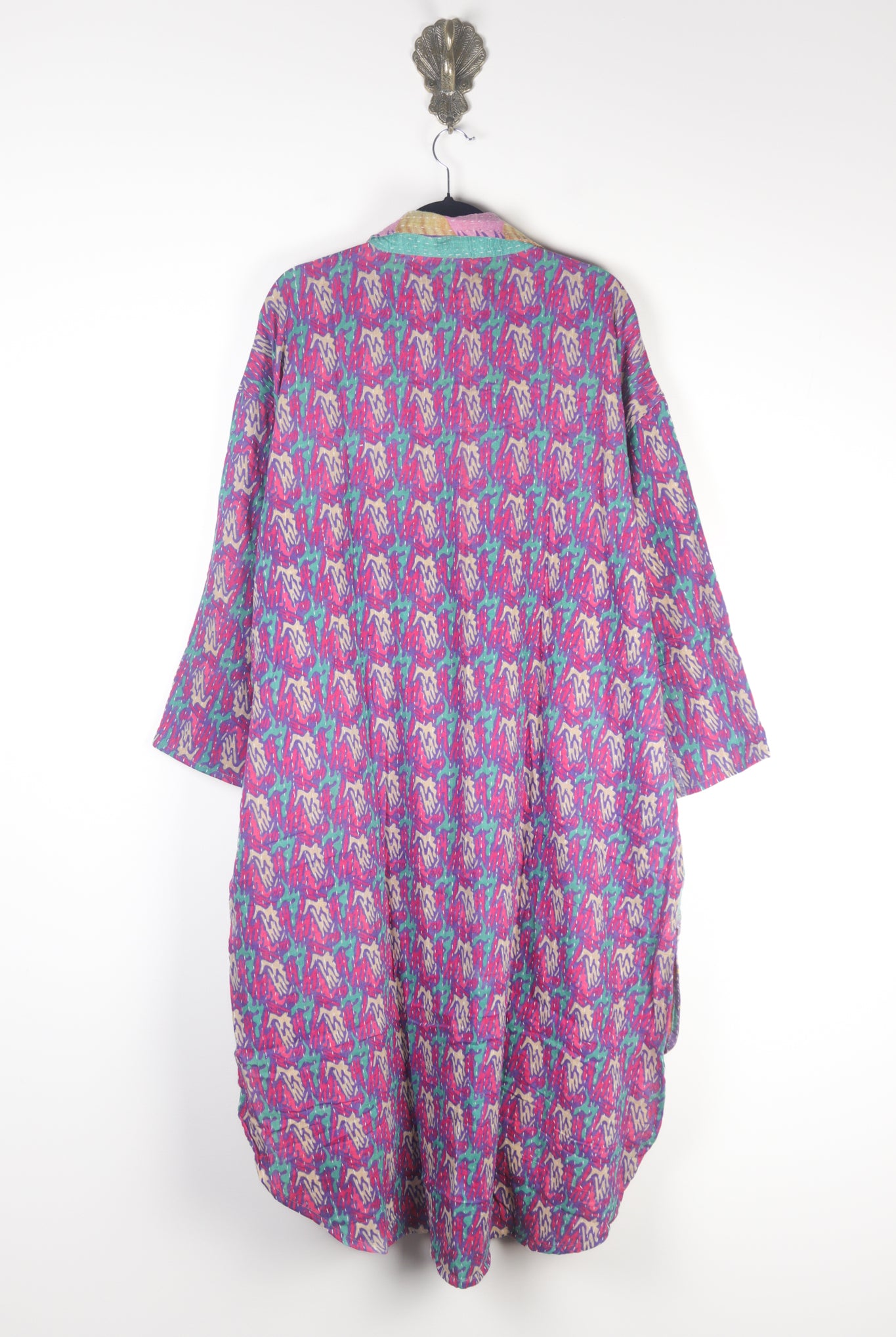
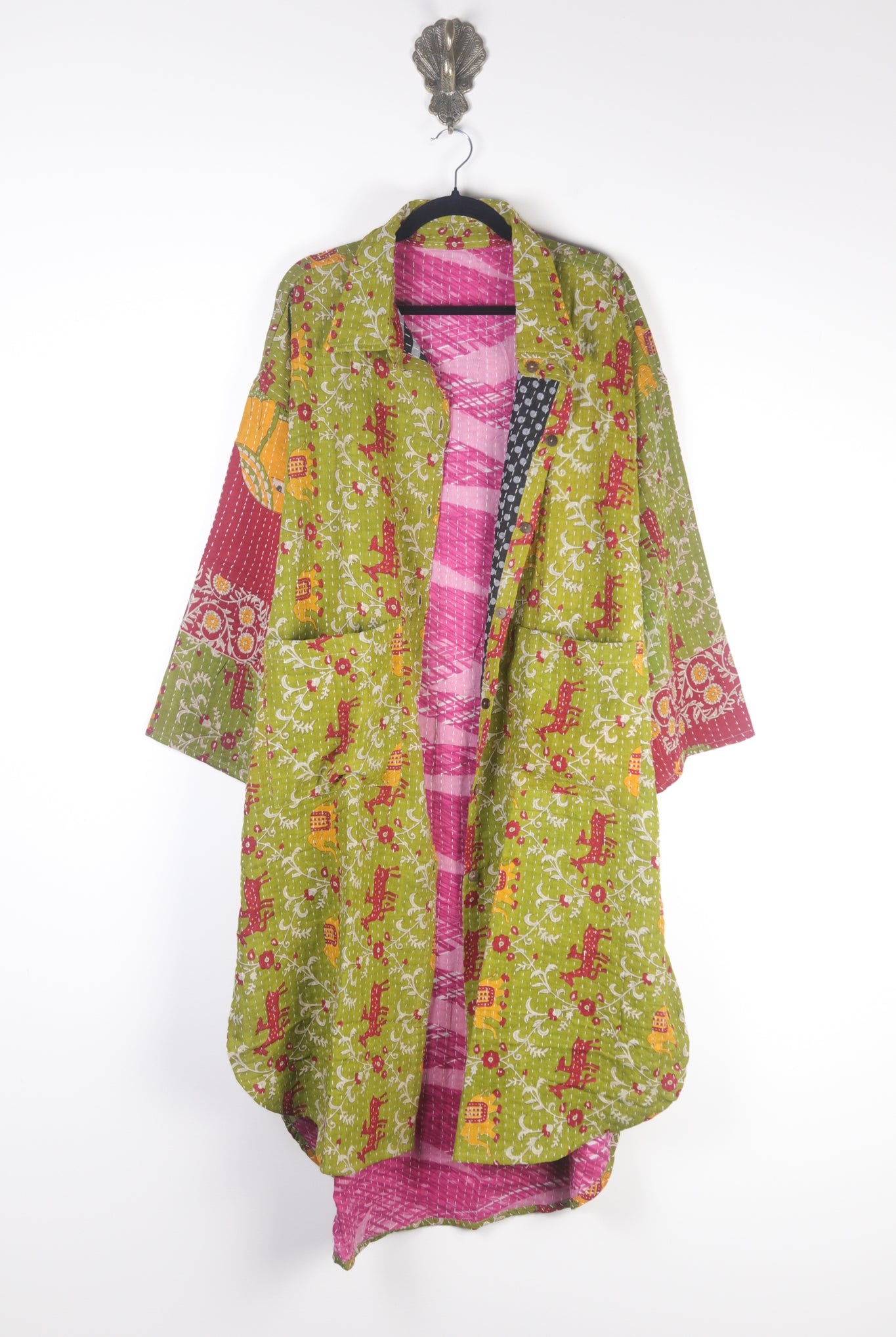
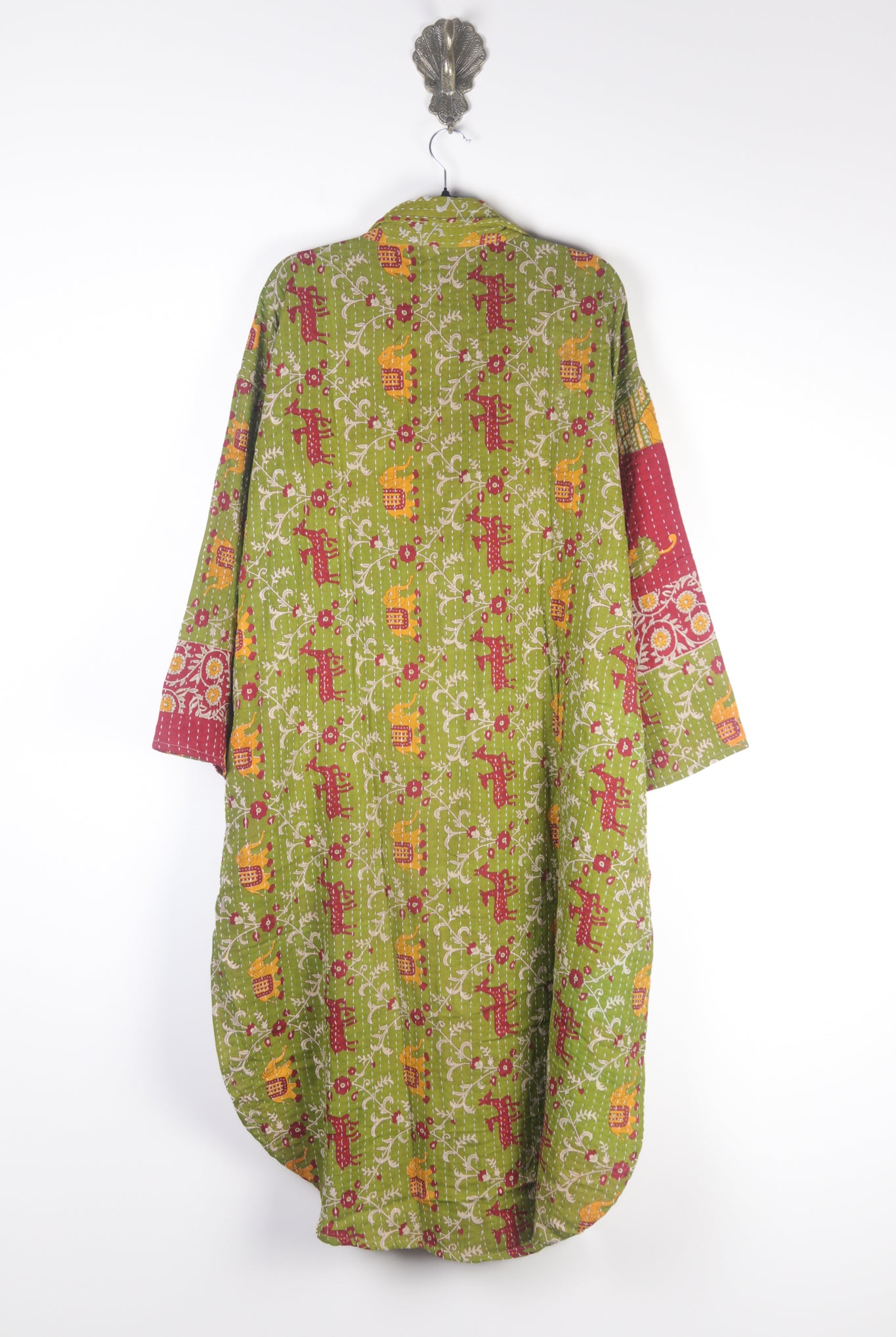
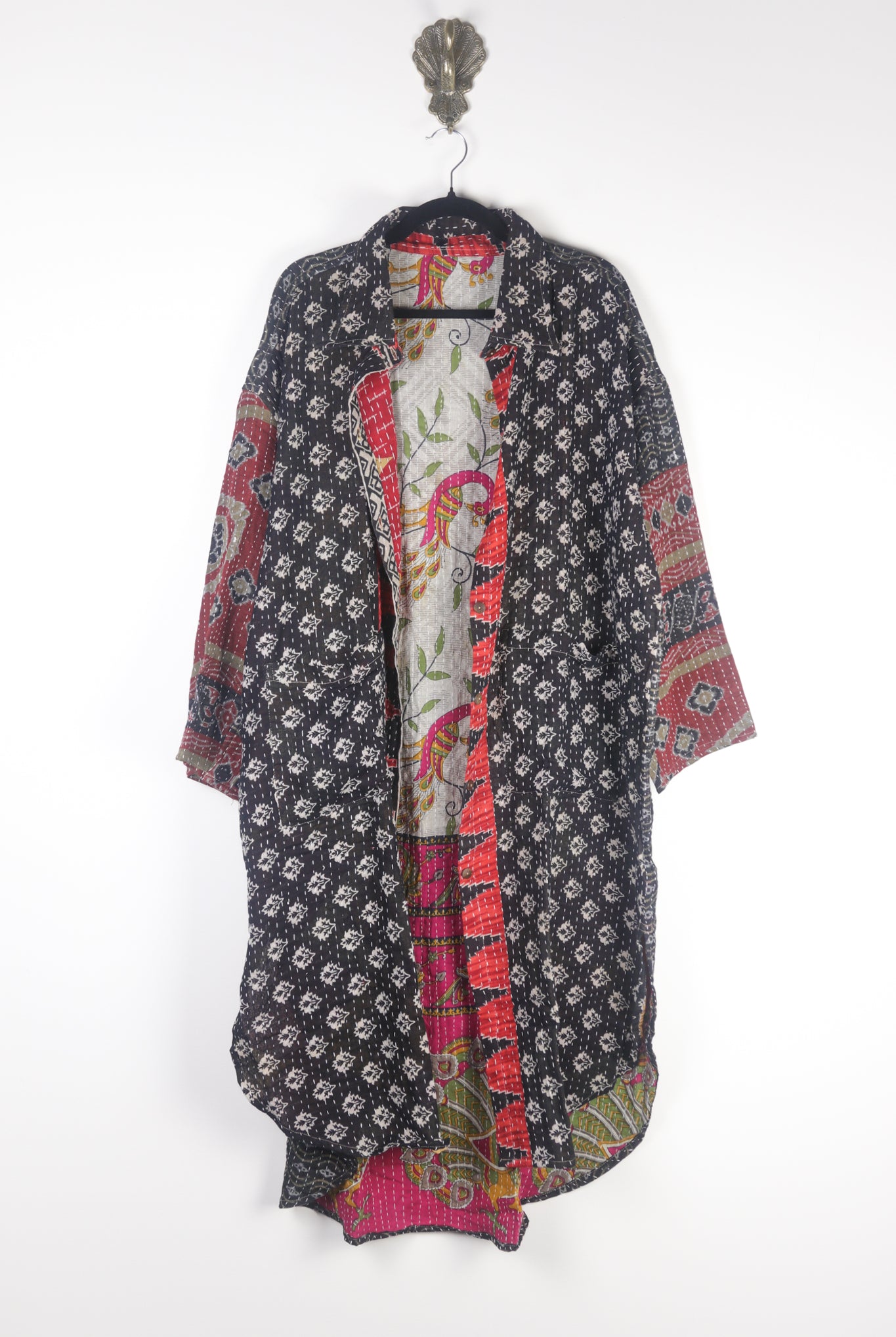
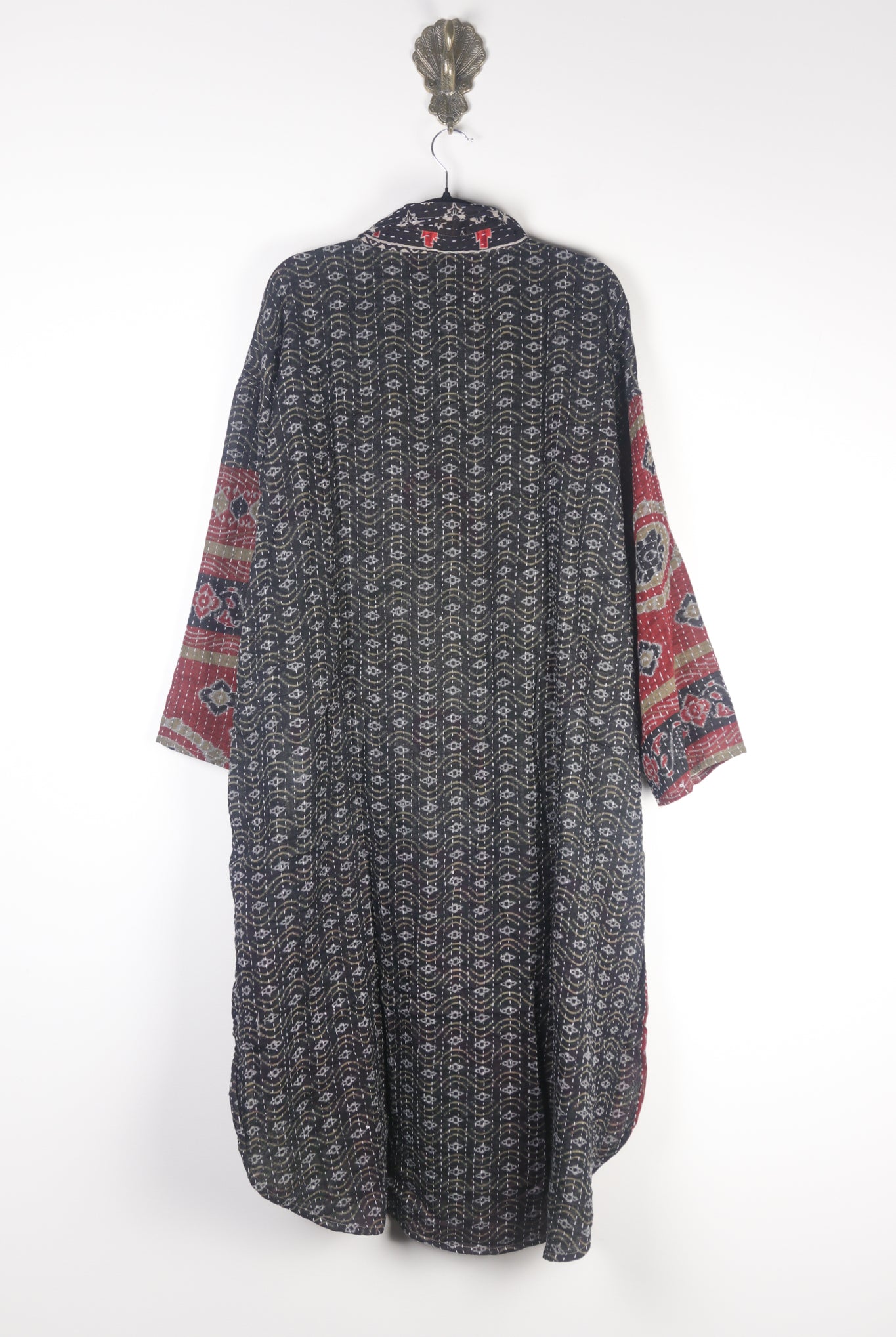
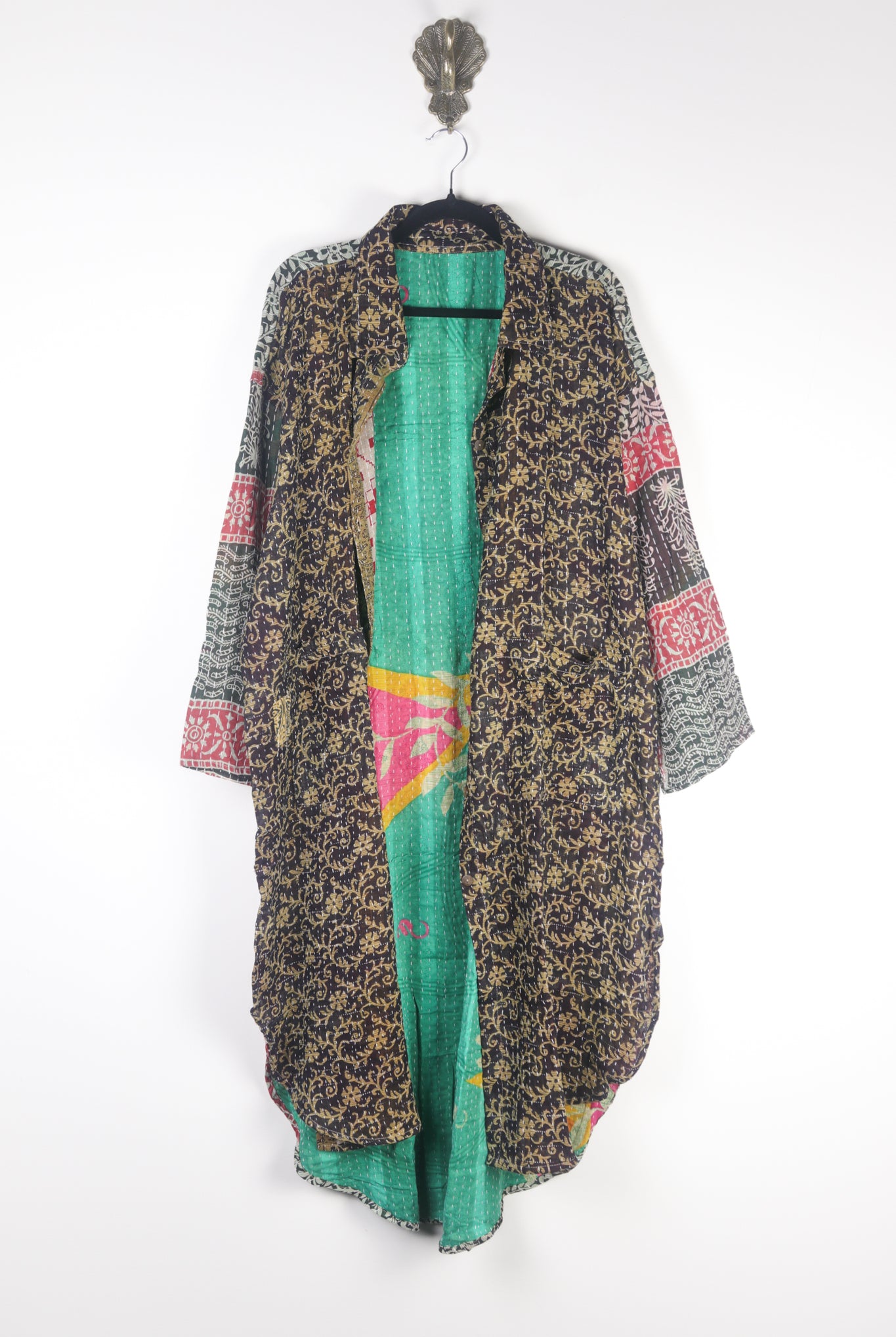
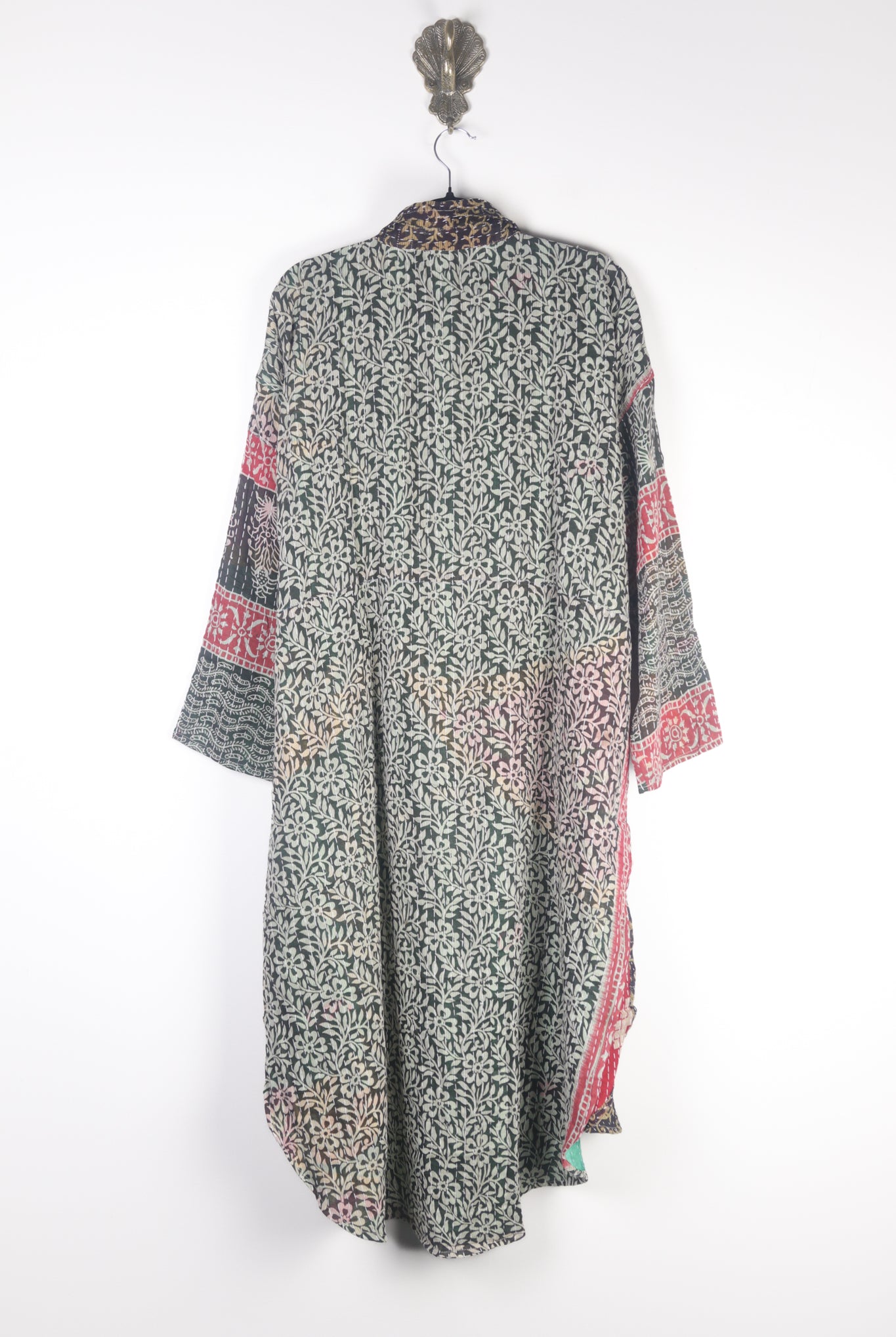
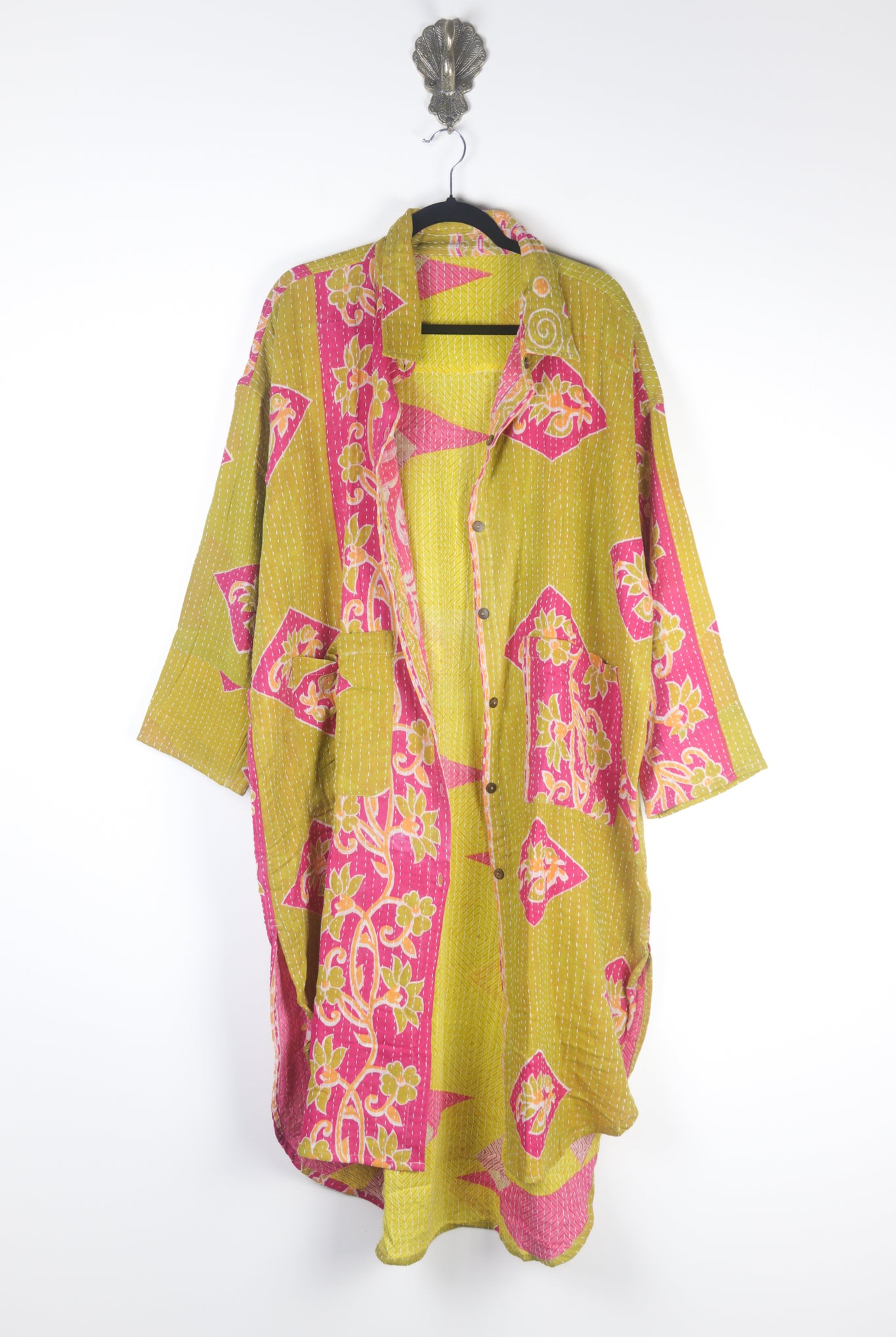
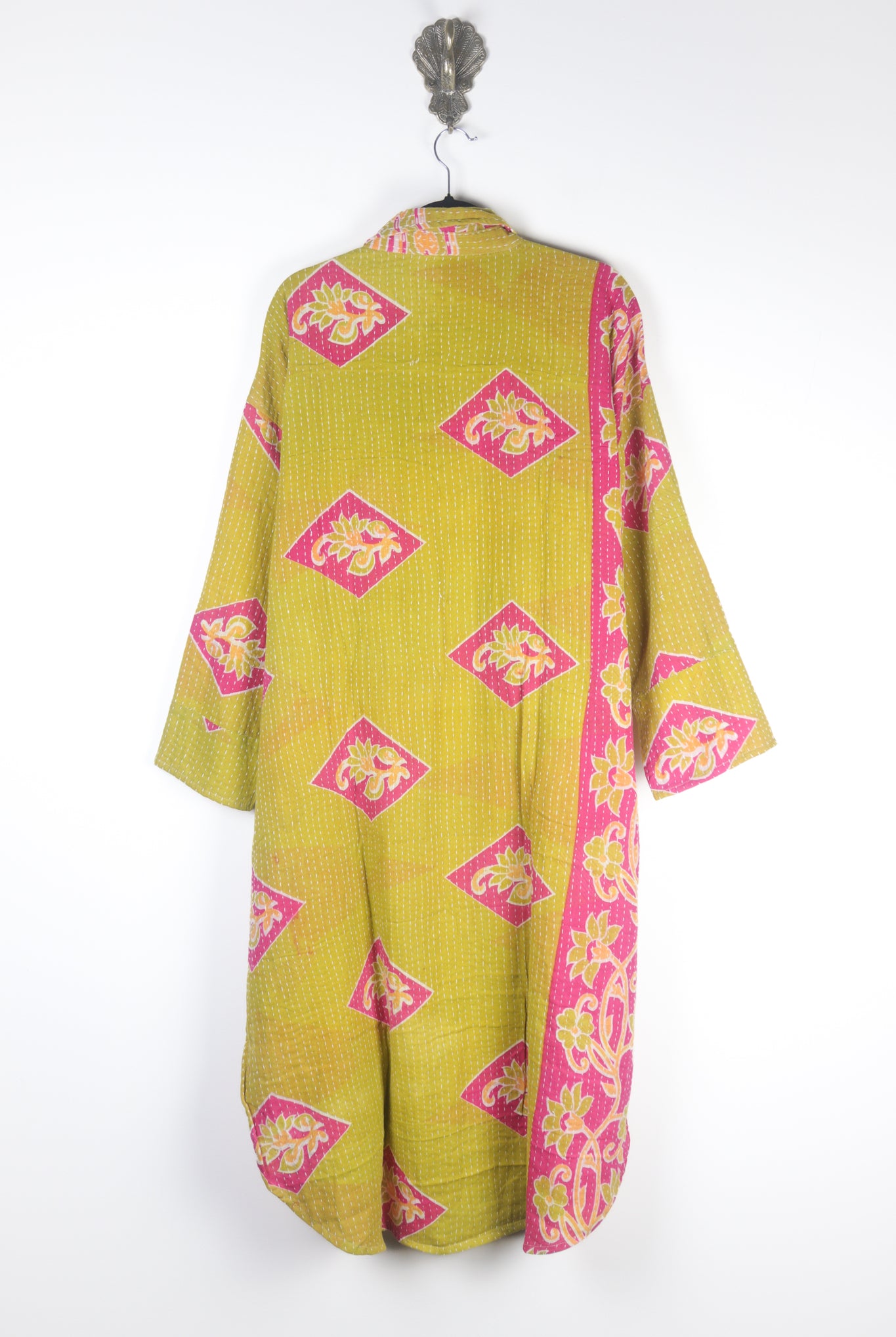
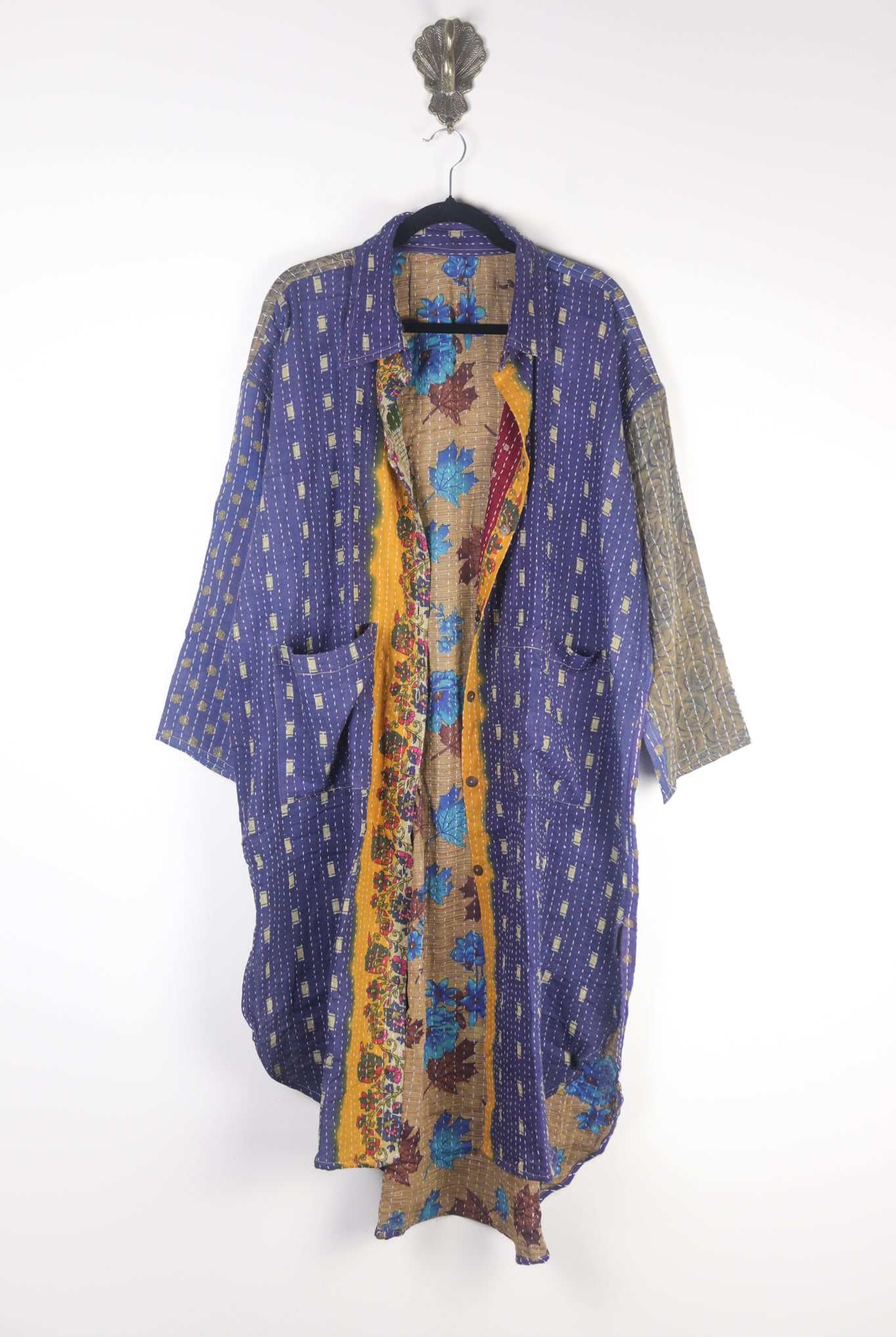
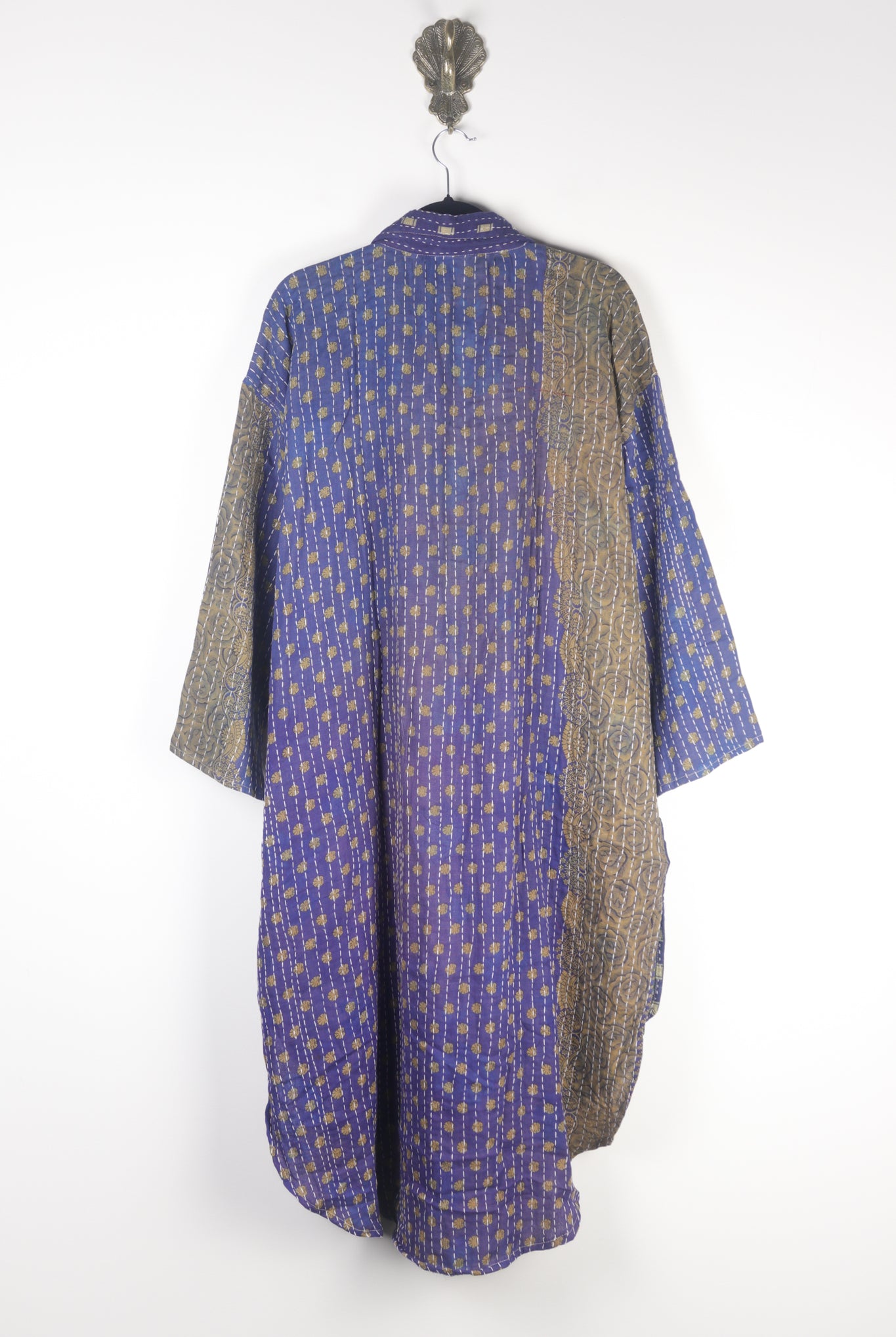
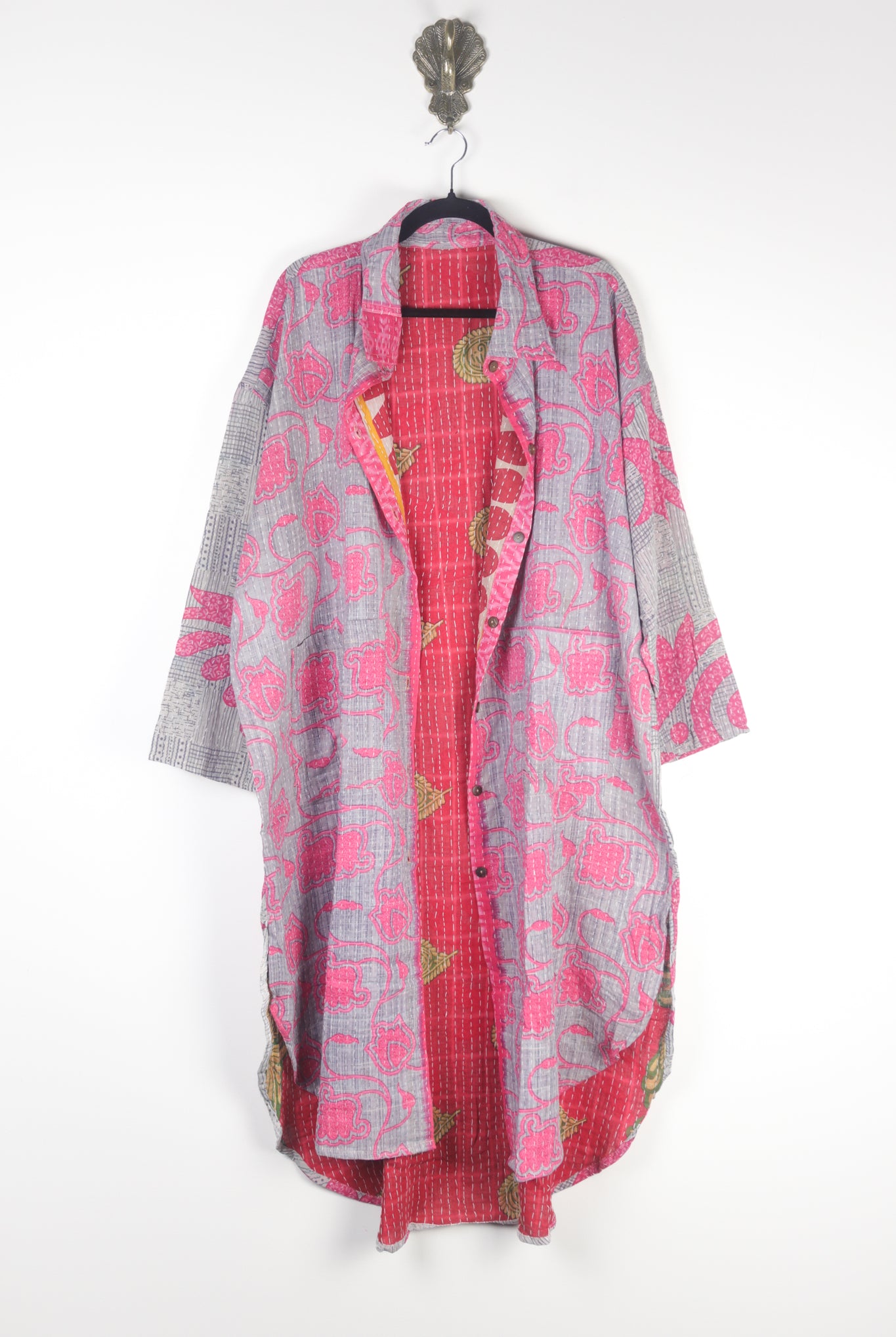
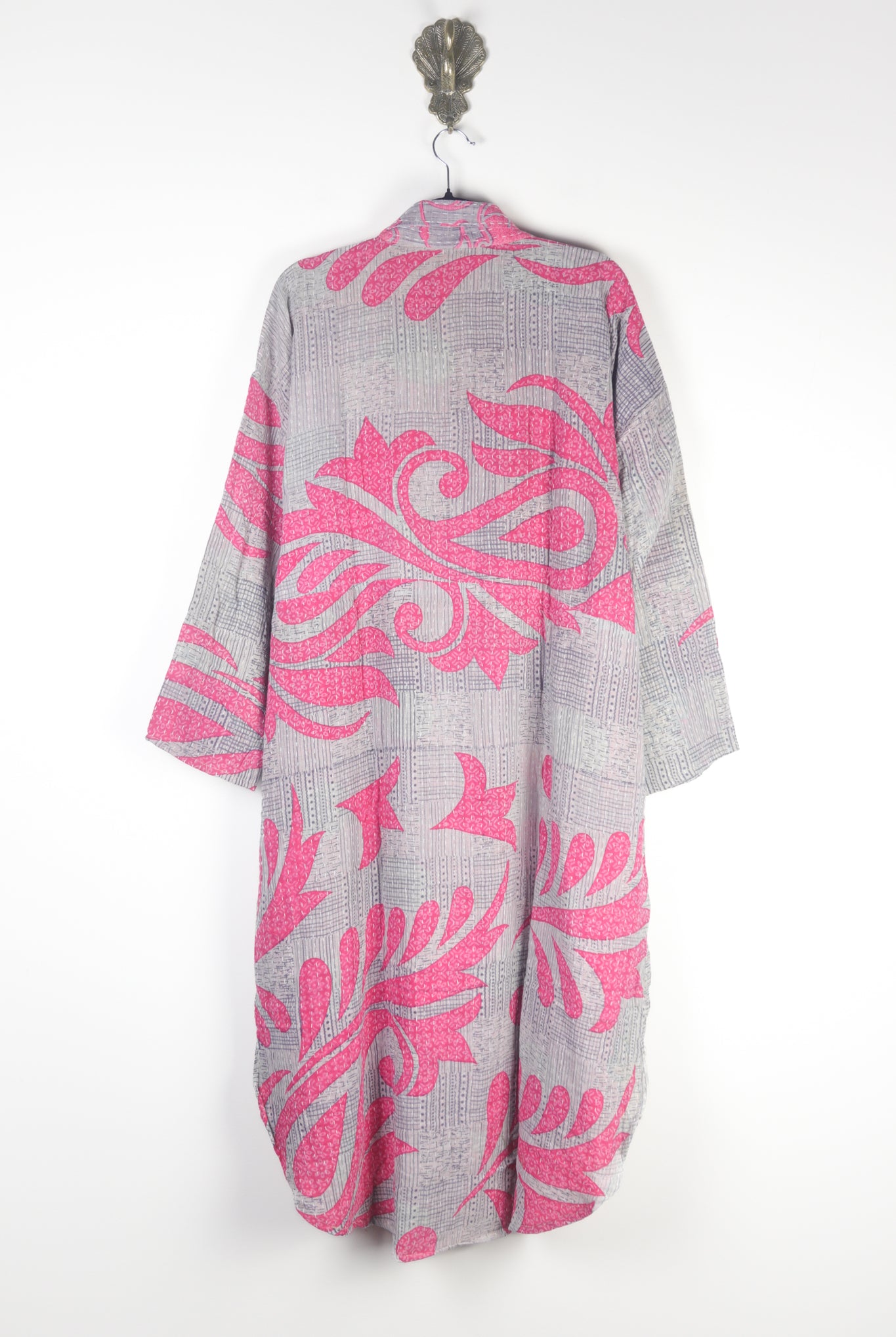
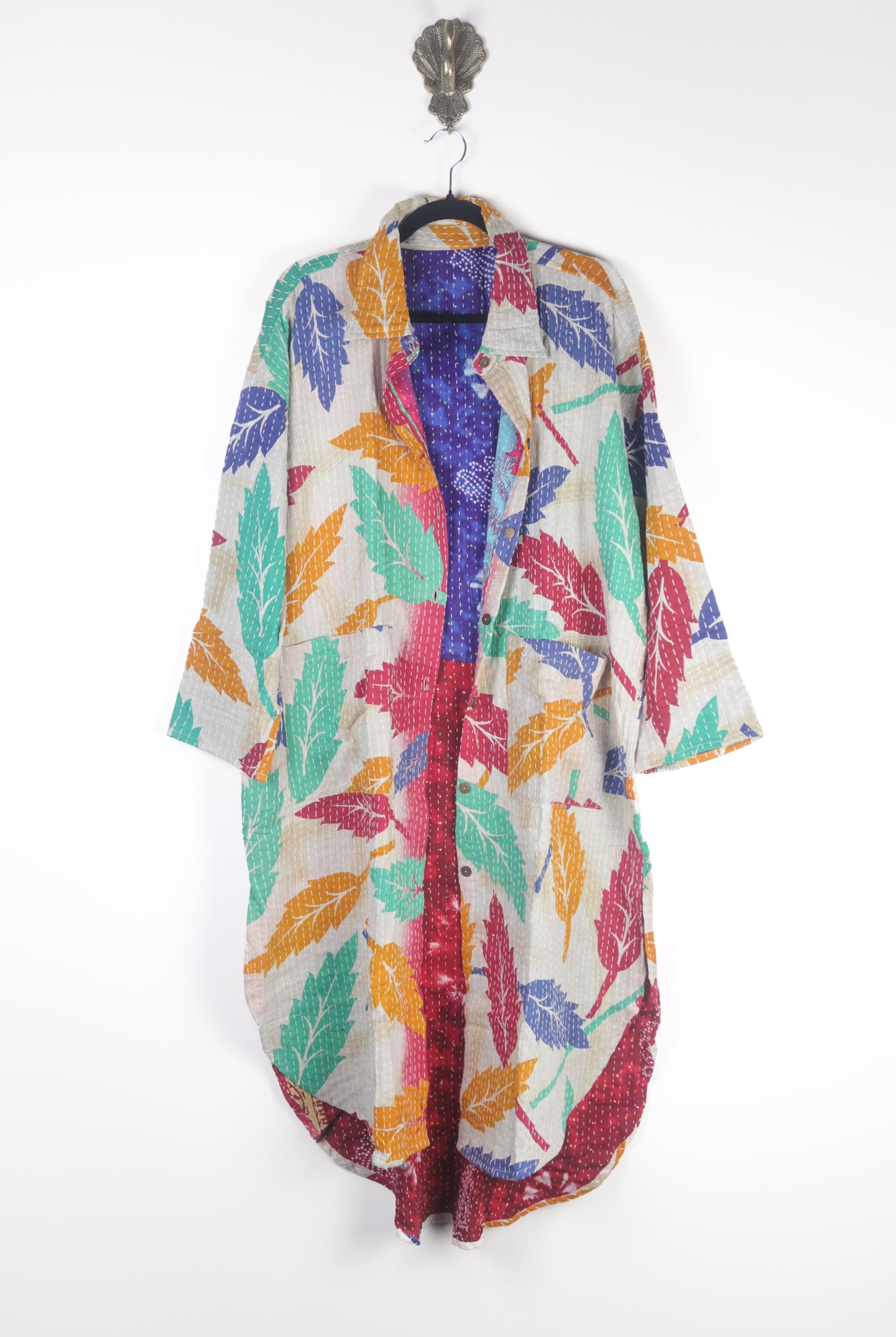
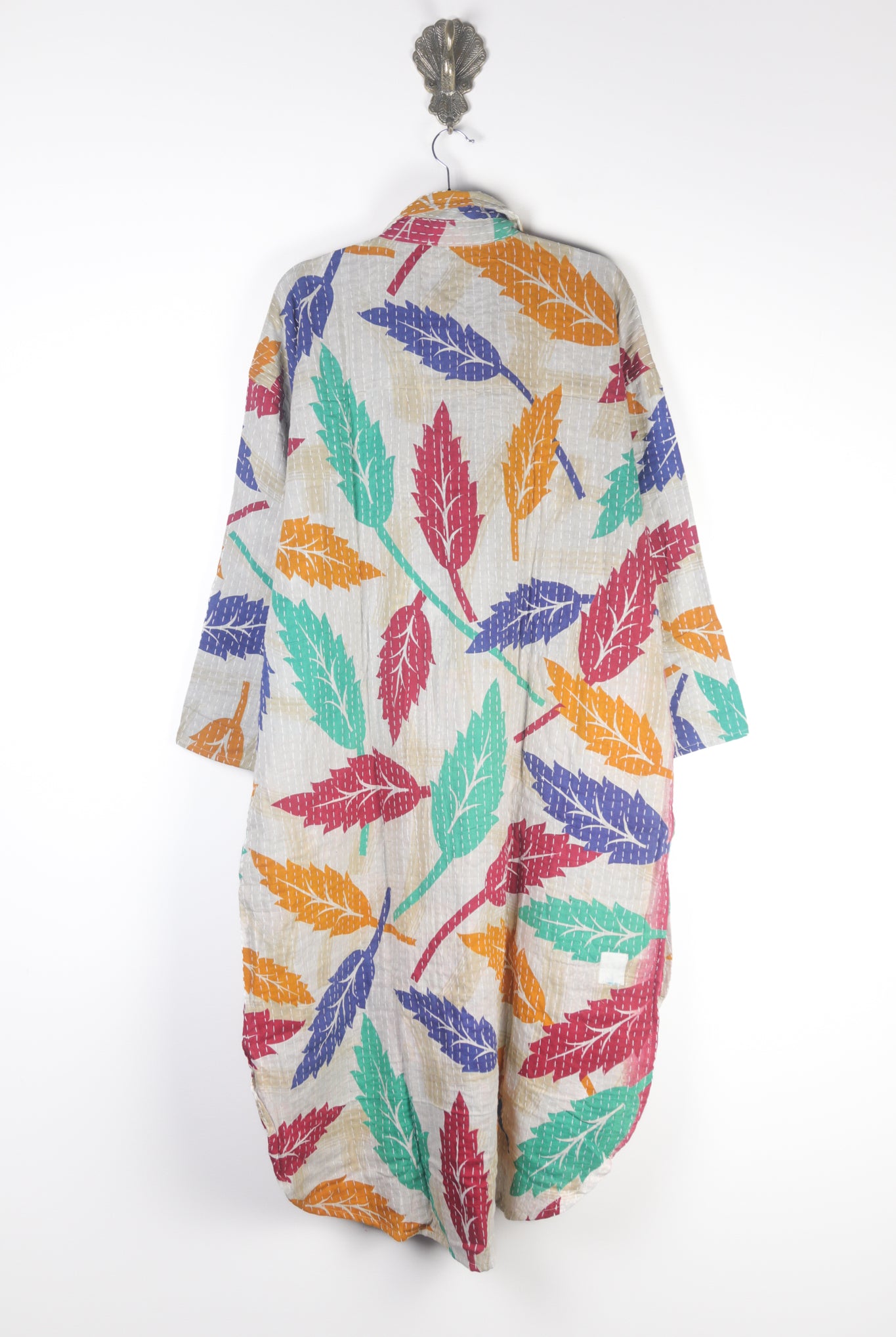
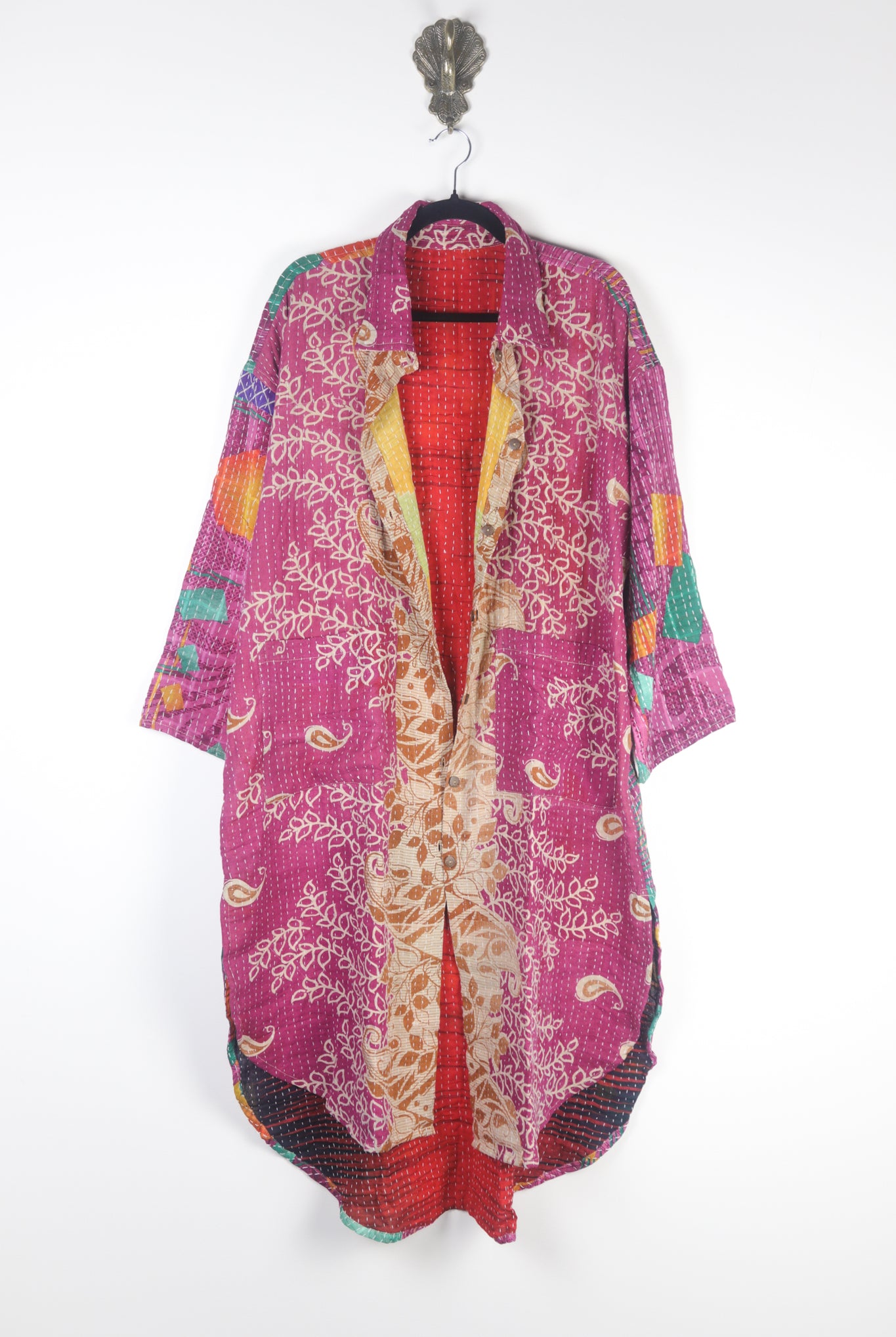
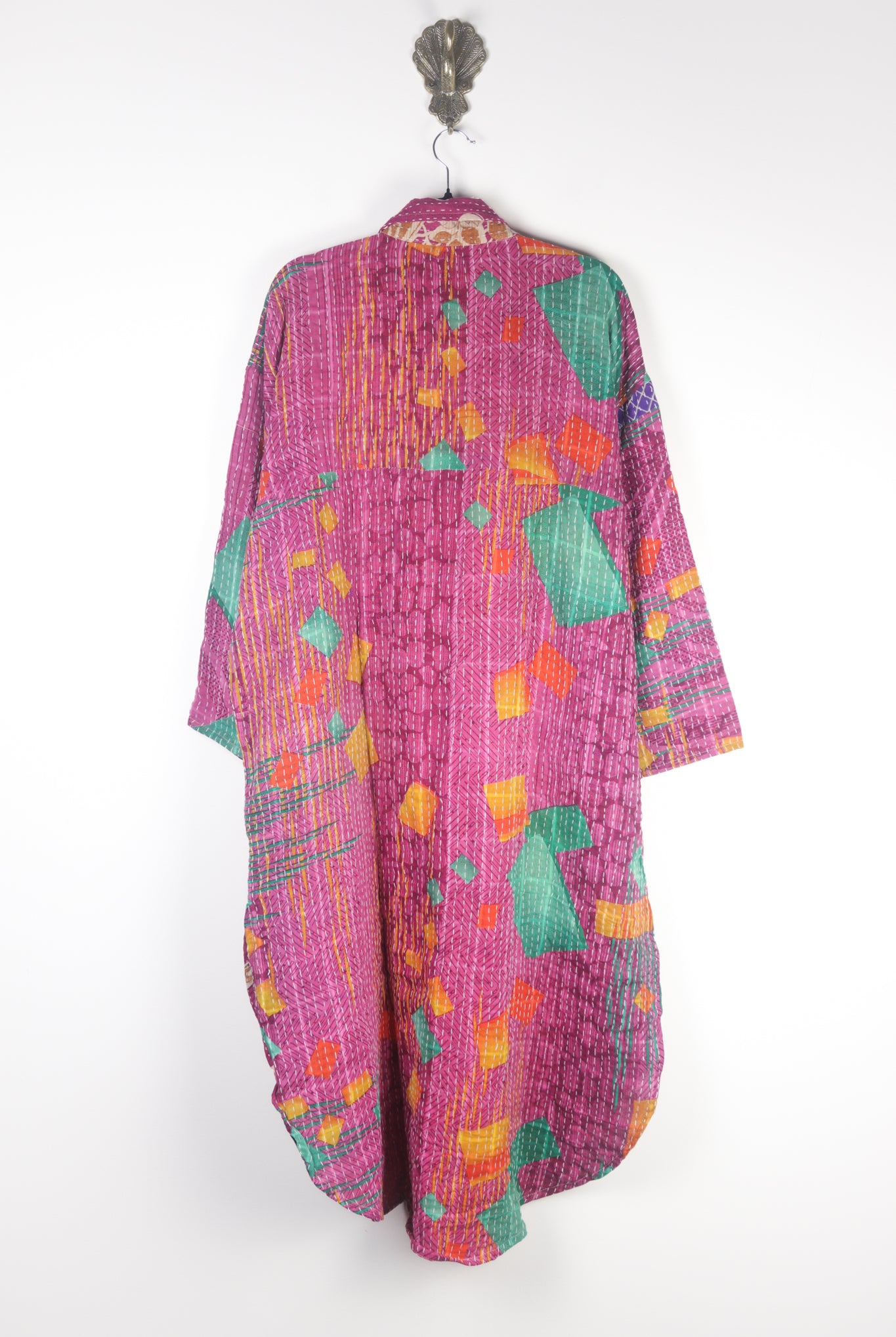
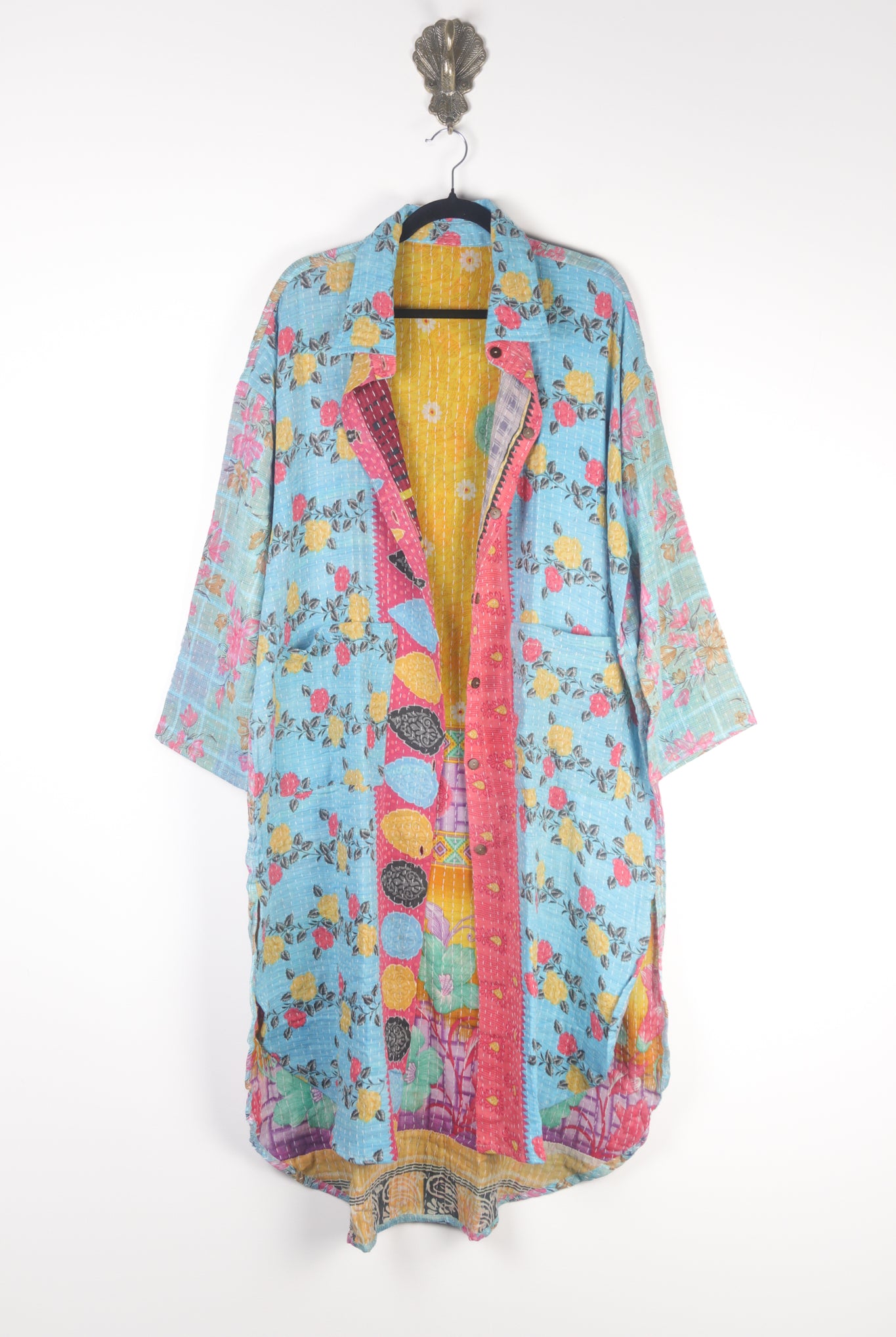
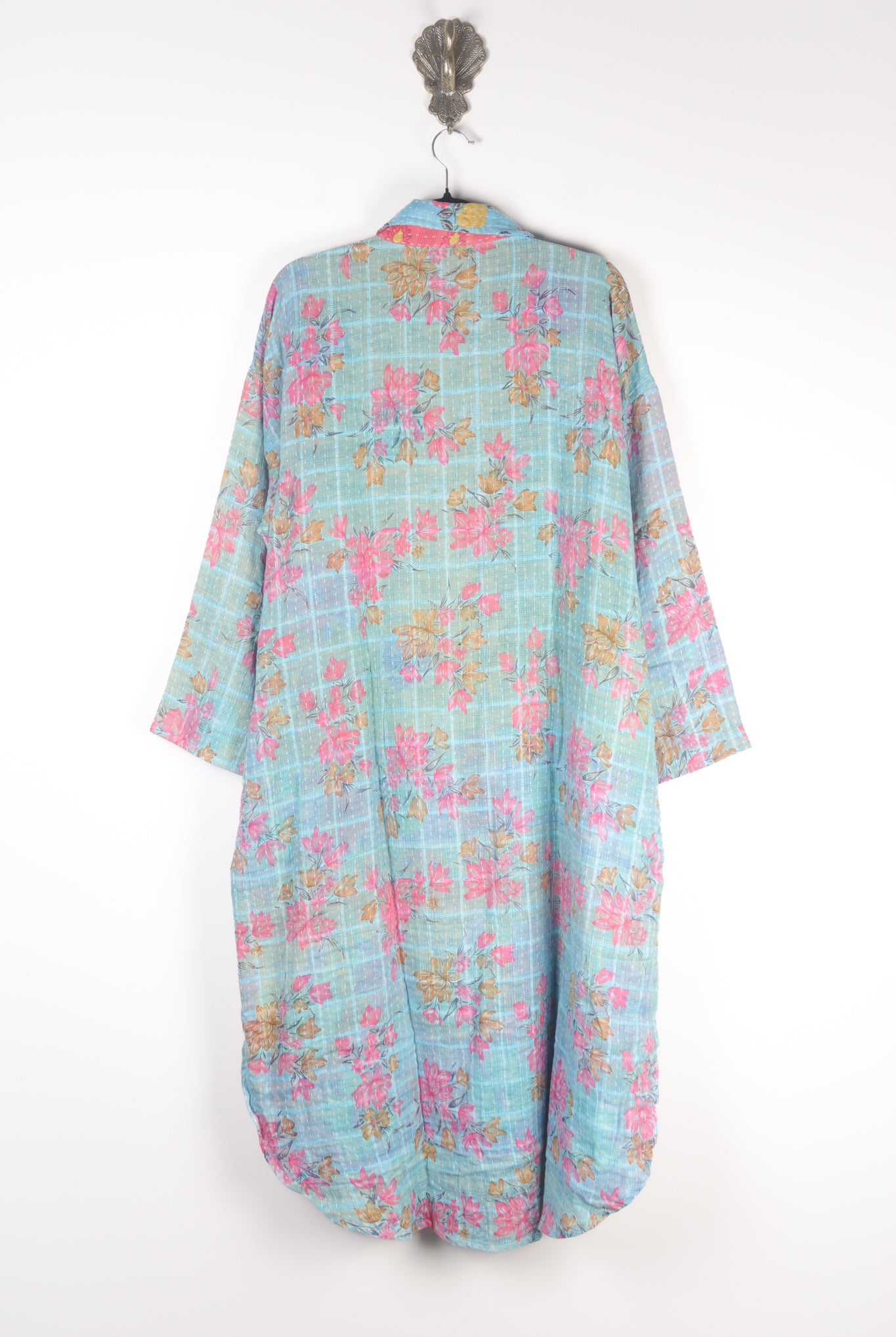
Kantha is a beautiful, storied textile with a long history of reuse, craftsmanship, and care. But as its popularity has grown, so has the number of brands working with it, and not all approaches are the same.
If you’re looking to invest in a kantha piece, there are a few things worth paying attention to. These aren’t hard rules, but they can help you better understand what you’re buying and who you’re supporting.

Antique Nakshi kantha blankets
1. Not all kantha is vintage (and that’s okay)
There’s a common misconception that all kantha fabric is vintage, but in reality, most saris used for kantha clothing today is not. The word vintage has become something of a default in this space - used loosely, and often without much scrutiny. Which is why it's worth knowing what it actually means.
True vintage textiles (that's 20 years or older) are limited in supply and can be difficult to source reliably, especially at scale. Because of this, many brands work with more recently made kantha, which still carries the same hand-stitched character and beauty.
And in many ways, that’s the point. For us, working with kantha is about reclaiming and recycling textile waste that might otherwise be discarded, rather than sourcing well-loved older pieces that are still in circulation. It’s a different approach, but one that still honours the spirit of reuse and craftsmanship.
If a brand is describing all of their kantha as vintage, it’s worth looking a little closer. Genuine vintage pieces often show visible signs of wear, such as a softer, more worn texture, small imperfections, or patches from years of use, and are generally thicker from more saris being added over time.
Transparency matters more than labels. Clear, honest communication about materials is always a strong indicator of a thoughtful brand.

Kantha being stitched by hand on recycled saris
2. Pricing, value, and what sits behind it
Kantha is a highly labour-intensive textile. Every piece involves sourcing, quality checking, cutting, stitching, logistics, and then sewing into clothing. A process that spans multiple stages, locations and hands.
If pricing seems unusually low, it is worth considering what may sit behind that - materials, time, and fair wages all contribute to the true cost of a garment.
Equally, if something is priced very high, it’s worth understanding where that value is going. In some cases, pricing reflects ethical production and fair wages throughout the supply chain. In others, it may sit more heavily in branding, positioning, or profit margins rather than the people making the garments.
Not all brands approach pricing in the same way. Some rely heavily on frequent discounting or promotional cycles, while others choose to price more consistently to reflect the real cost of production and ethical supply chains.
For us, this is a considered decision. We don’t run constant sales or heavy discounting because we pay a living wage across our entire ecosystem. This is different from minimum wage standards in many regions, and it ensures that everyone involved in making our garments is supported fairly and sustainably.
Clothing carries value beyond fabric. Understanding what goes into a piece can help you decide what feels right for you.

Brooke being reunited with one of our partners in India
3. Transparency in sourcing and partnerships
A thoughtful brand should be open about where their garments are made and who is making them.
This doesn’t need to be overly complex, but there should be clarity around:
- where production takes place
- who is involved in the making process
- how those relationships are maintained
For us, that means travelling to the villages where kantha is actually made - not factories, but homes, where women have been practising this craft for generations. It's a relationship that looks very different from a standard production partnership, and one we think is worth being specific about.
We have long-term relationships with our production partners, who connect that craft to our clothing - partners we visit in person, are in contact with almost daily, whose workshops we know, and whose livelihoods are directly tied to how we grow.
Kantha carries deep cultural and textile history, and working with it responsibly means respecting the people and processes behind it.
Long-term partnerships, fair working conditions, and mutual growth are all solid indicators of a brand that is building something meaningful over time.

You'll find over 3,000 verified reviews on our website
4. Real reviews, not just perfect ones
Reviews can tell you a lot, not just about a product, but about the relationship a brand has with its community.
Look for:
- verified reviews present on their website
(meaning they've been matched with an actual purchase)
- a mix of feedback, not only five-star reviews
- real customer imagery where possible
- consistent themes around quality, wearability, and longevity
No brand gets everything right all the time. Transparency in feedback is usually a sign of confidence and accountability.

Our ties for Kindred Spirit coats are made from offcuts - we hand match them all in the office (it's a labour of love!)
5. Waste and circular practices
You may see terms like “zero waste” used often, but in reality, achieving zero waste in fashion is extremely difficult.
What matters more is what a brand is actively doing to reduce waste in practical ways.
This might include:
- working with recycled or existing textiles
- producing in small, considered batches
- repurposing fabric offcuts into functional elements like pockets, trims, or ties
These kinds of circular practices take intention, time, and design discipline. They are often more meaningful than absolute claims.

Our beautiful ambassador, Kayla, in her stonewash jumpsuit - these were dyed with natural indigo @magickmama
6. Dye processes, water impact, and environmental data
Dyeing is one of the most environmentally intensive stages in textile production. It can require significant amounts of water and energy, and if not managed responsibly, it can also contribute to water pollution through chemical runoff.
Because of this, it’s worth asking how a brand approaches dye processes. Are they using lower-impact methods? How is wastewater treated and managed? And is there transparency around these processes?
Beyond the method itself, there is also the question of accountability. Can a brand back up its environmental claims with real figures, reporting, or measurable data?
Sustainability statements are most meaningful when they are supported by evidence, whether that’s reduced water usage, responsible wastewater treatment, material traceability, or independently verified reporting. Without this, claims can become difficult to assess in a meaningful way.
As with all areas of sustainability, the goal is not perfection, but transparency, improvement, and a willingness to show how decisions are made behind the scenes. If you haven't read our 2025 sustainability report yet, you can find it here.

Brooke in India visiting the women who make our kantha blankets from recycled saris
Choosing a kantha clothing brand is ultimately about more than just the garment itself. It’s about understanding the materials, the people behind them, and the systems that shape how clothing is made.
There is no perfect way to do things, and no single definition of what ethical or thoughtful production looks like, but there is value in asking better questions, looking a little closer, and choosing brands that are willing to be open about their processes.
At its heart, kantha is a textile rooted in reuse, care, and transformation. That's not a marketing line - it's a centuries-old practice. When that spirit is honoured with honesty and accountability, it continues to hold real meaning in the way we make and wear clothes today.
If this resonated with you, we'd love to have you along for the journey. You can join our Facebook community, follow along on Instagram, or subscribe to our newsletter where we share new arrivals, behind-the-scenes insights, and stories from our makers.