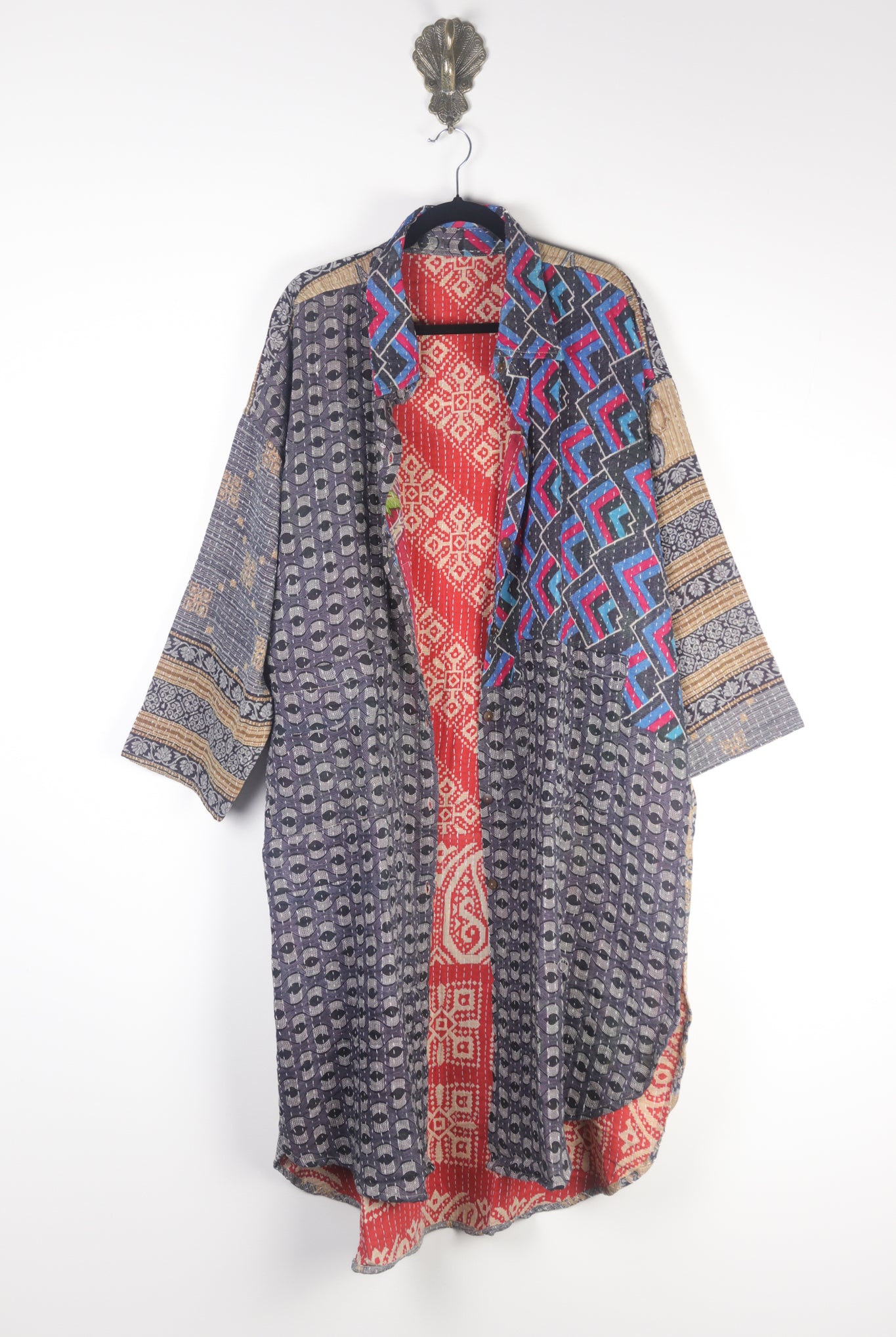
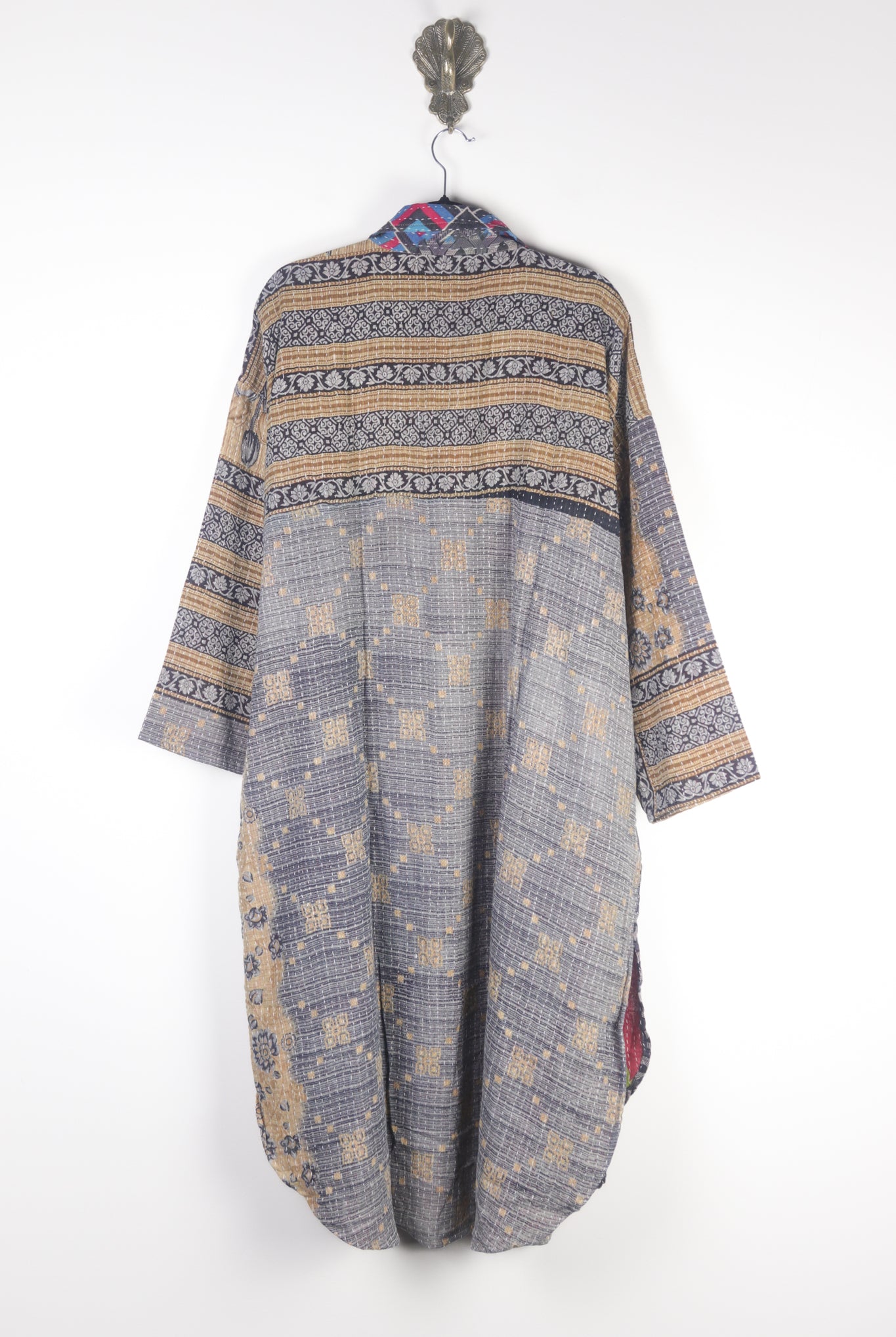
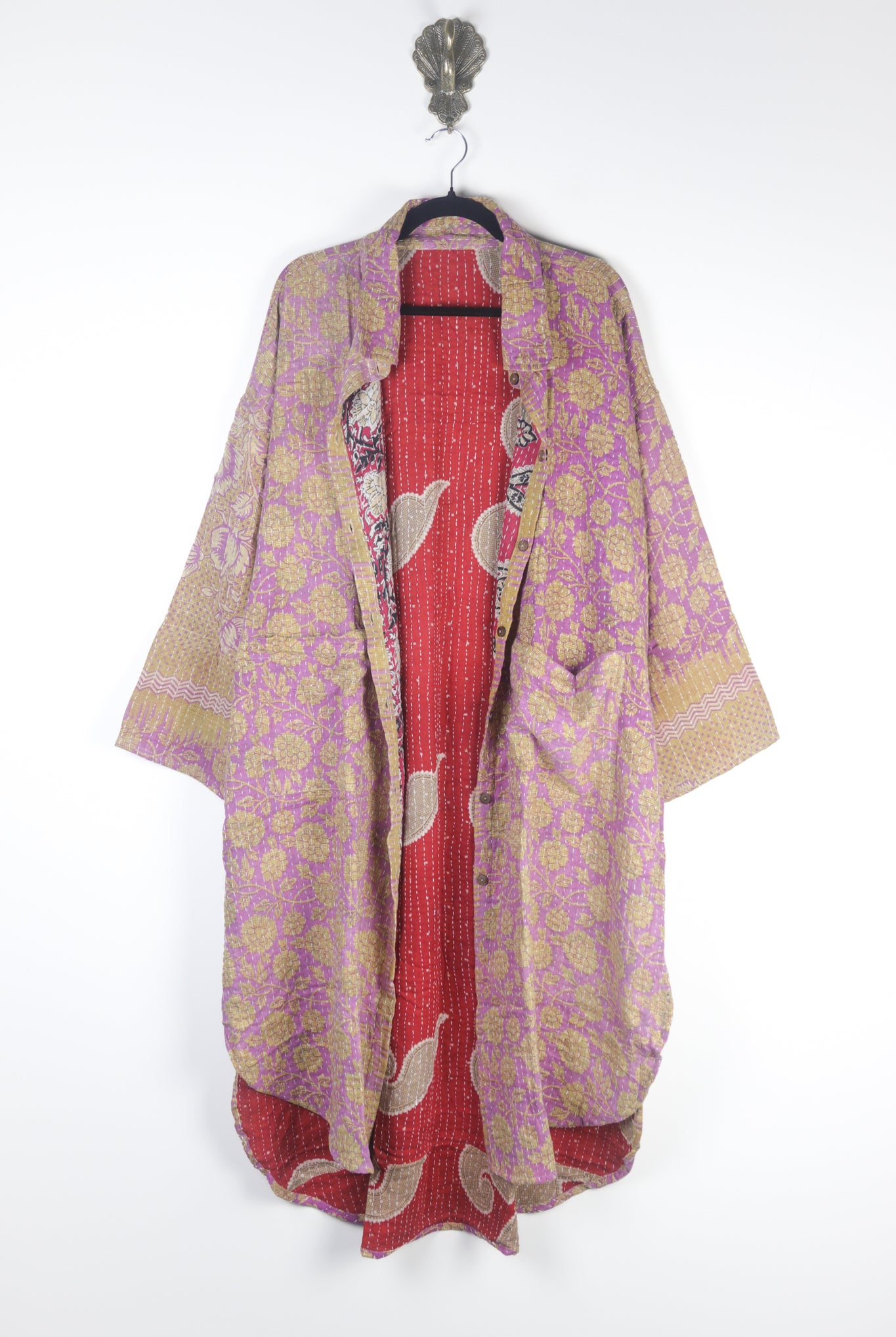
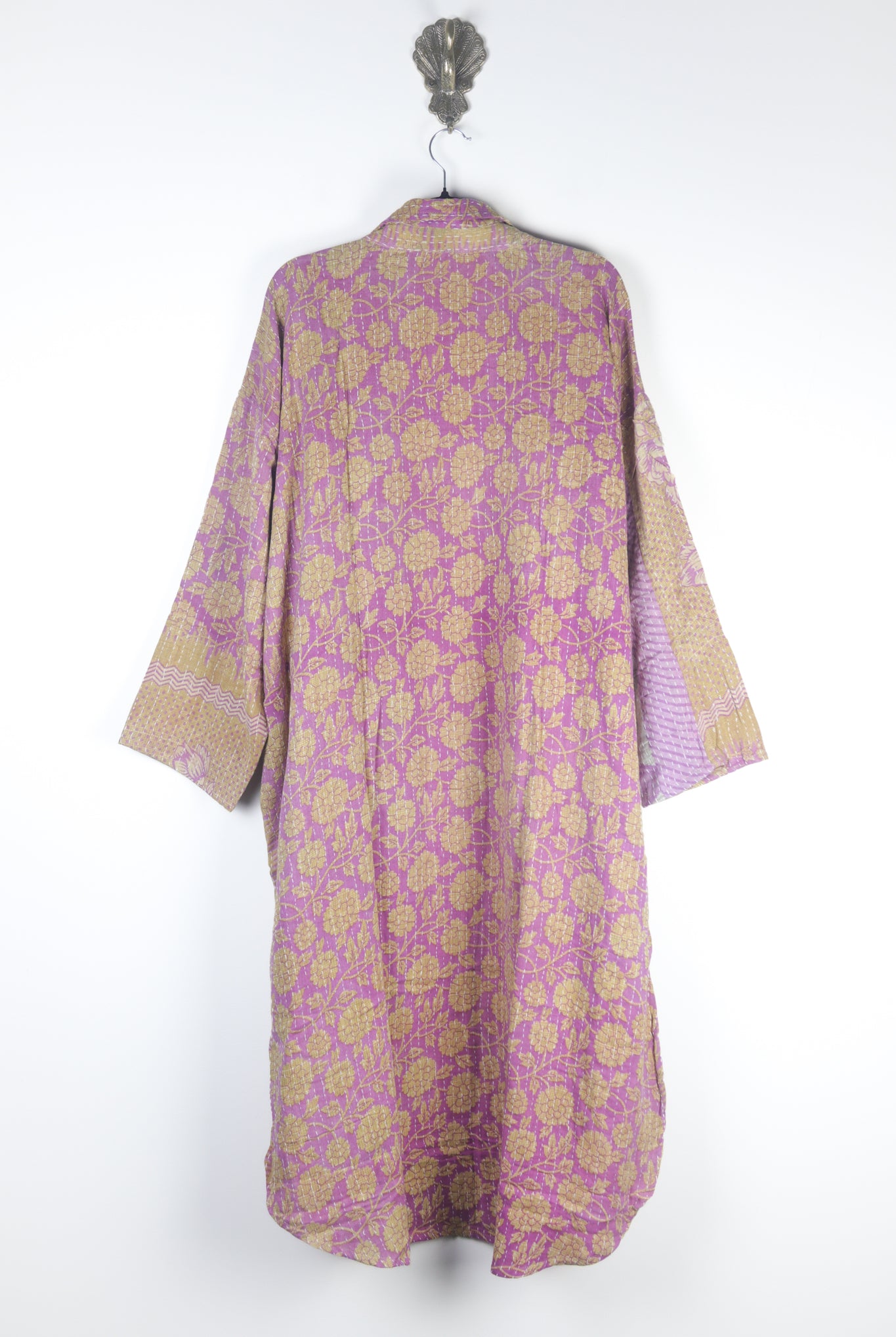
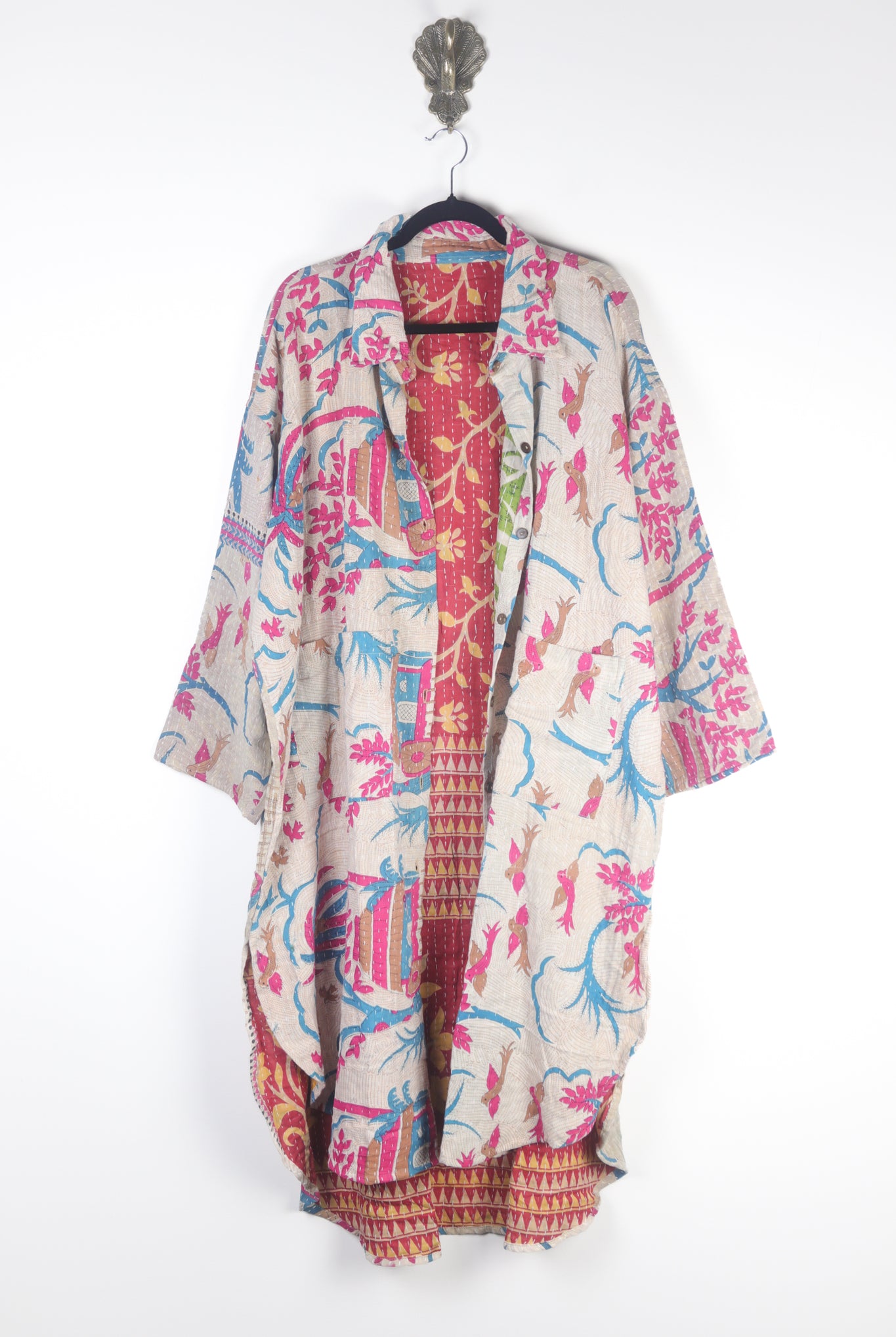
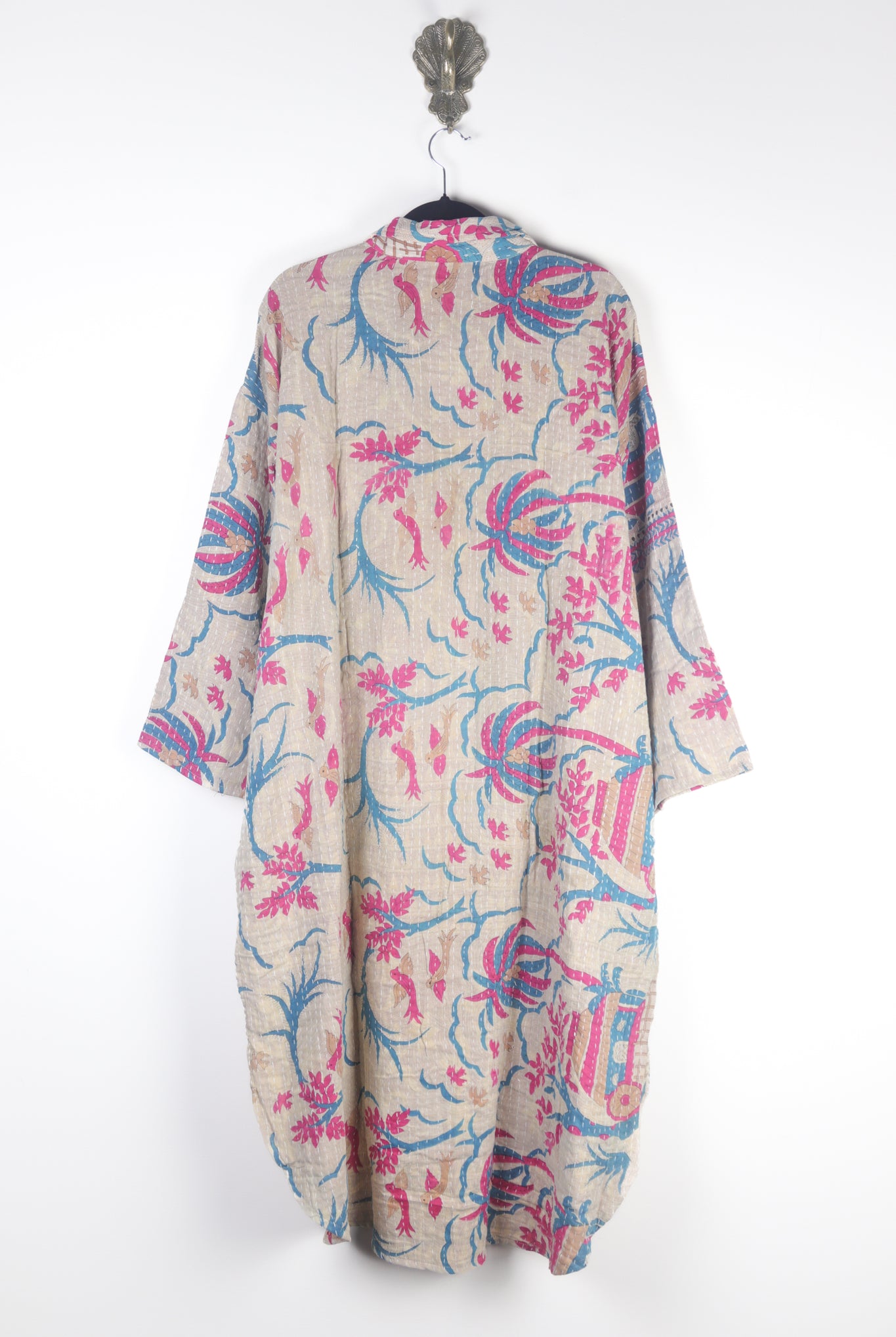
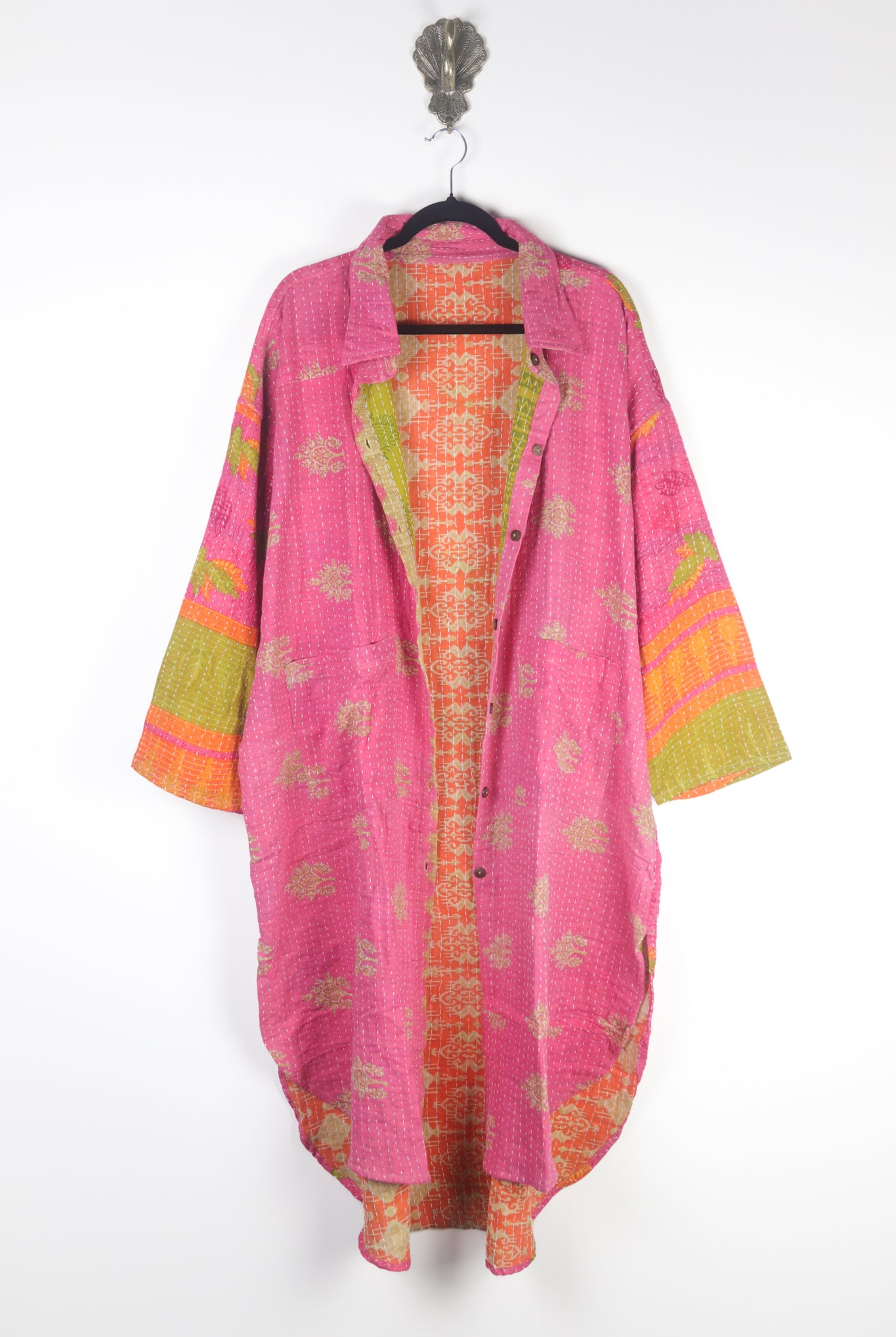
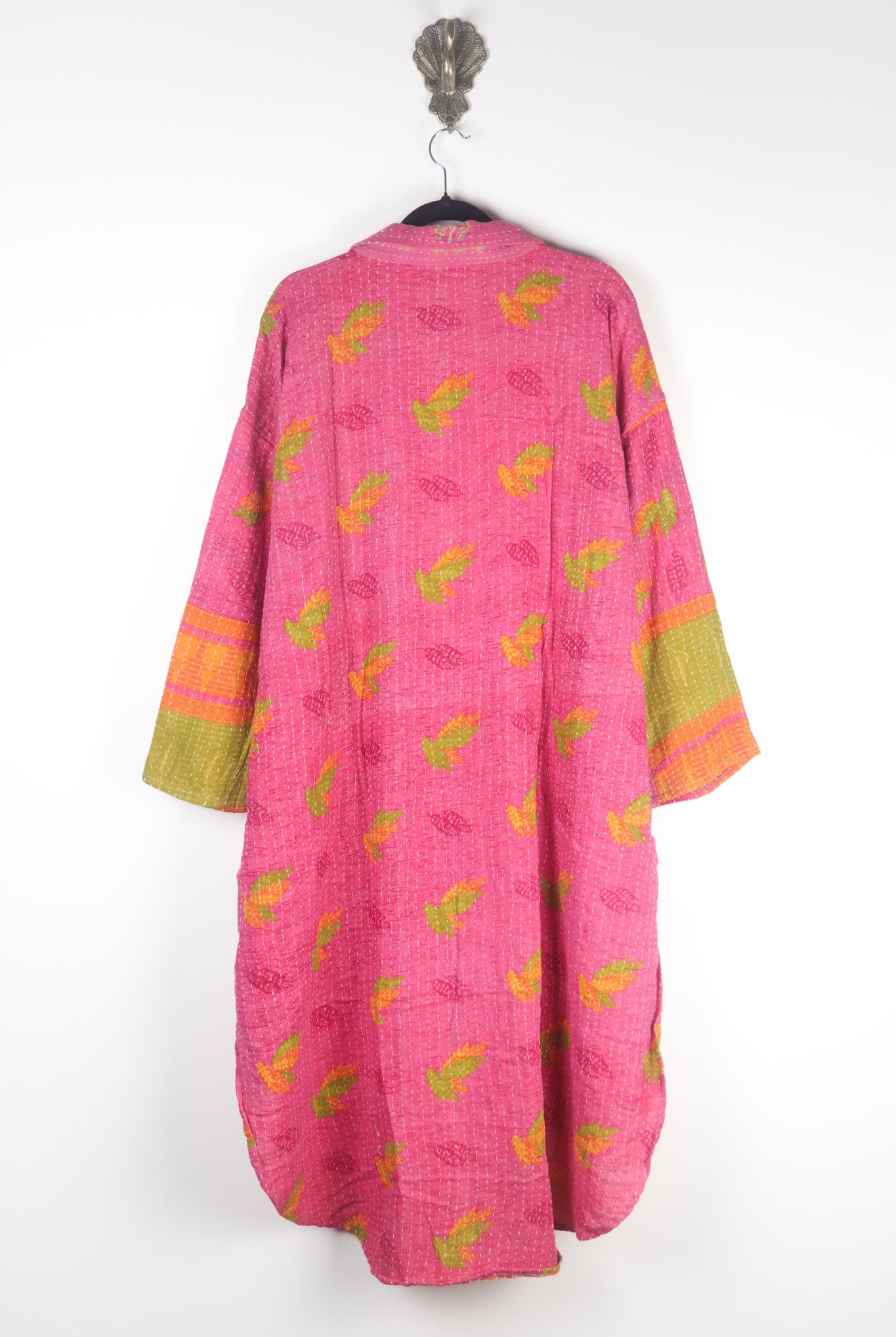
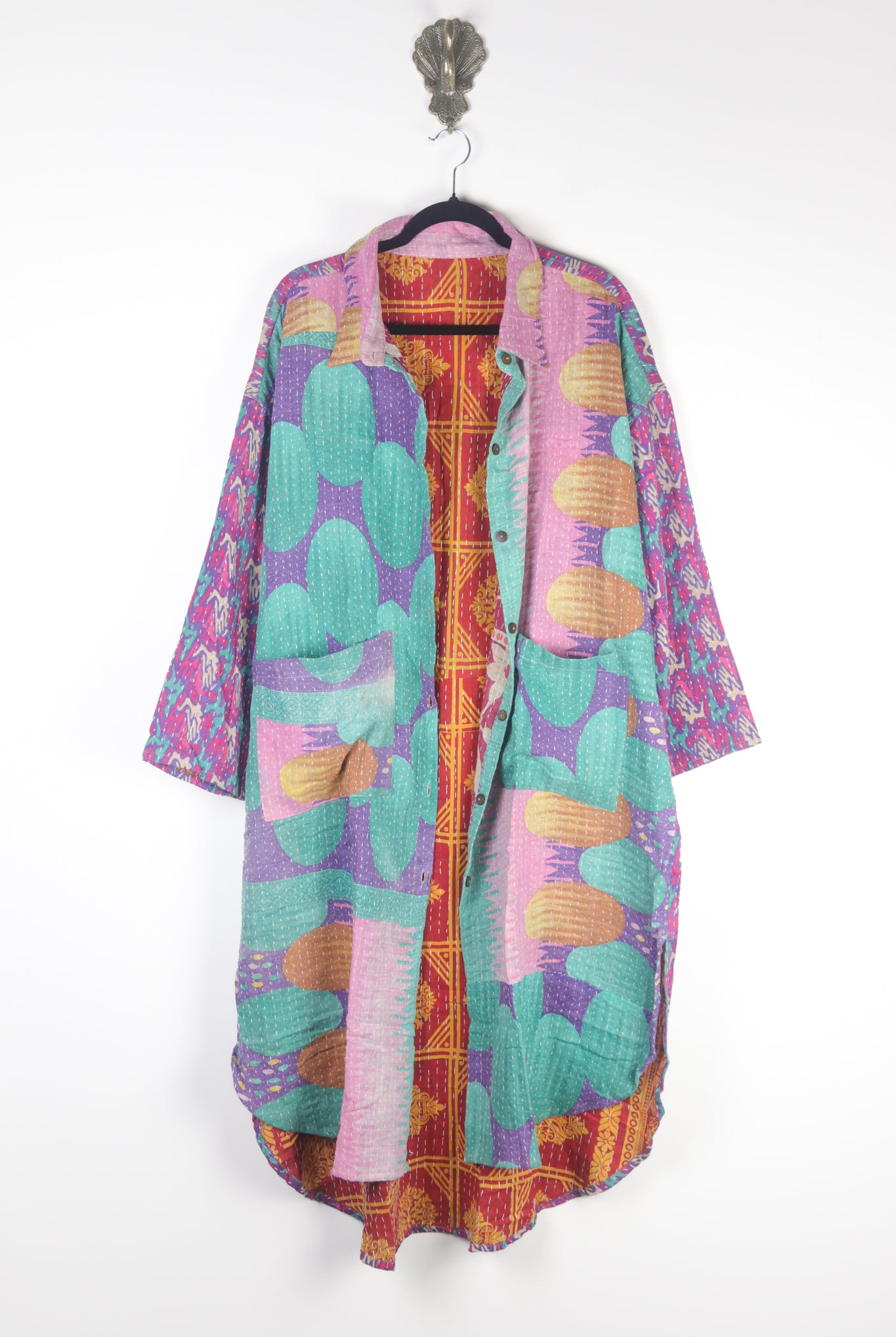
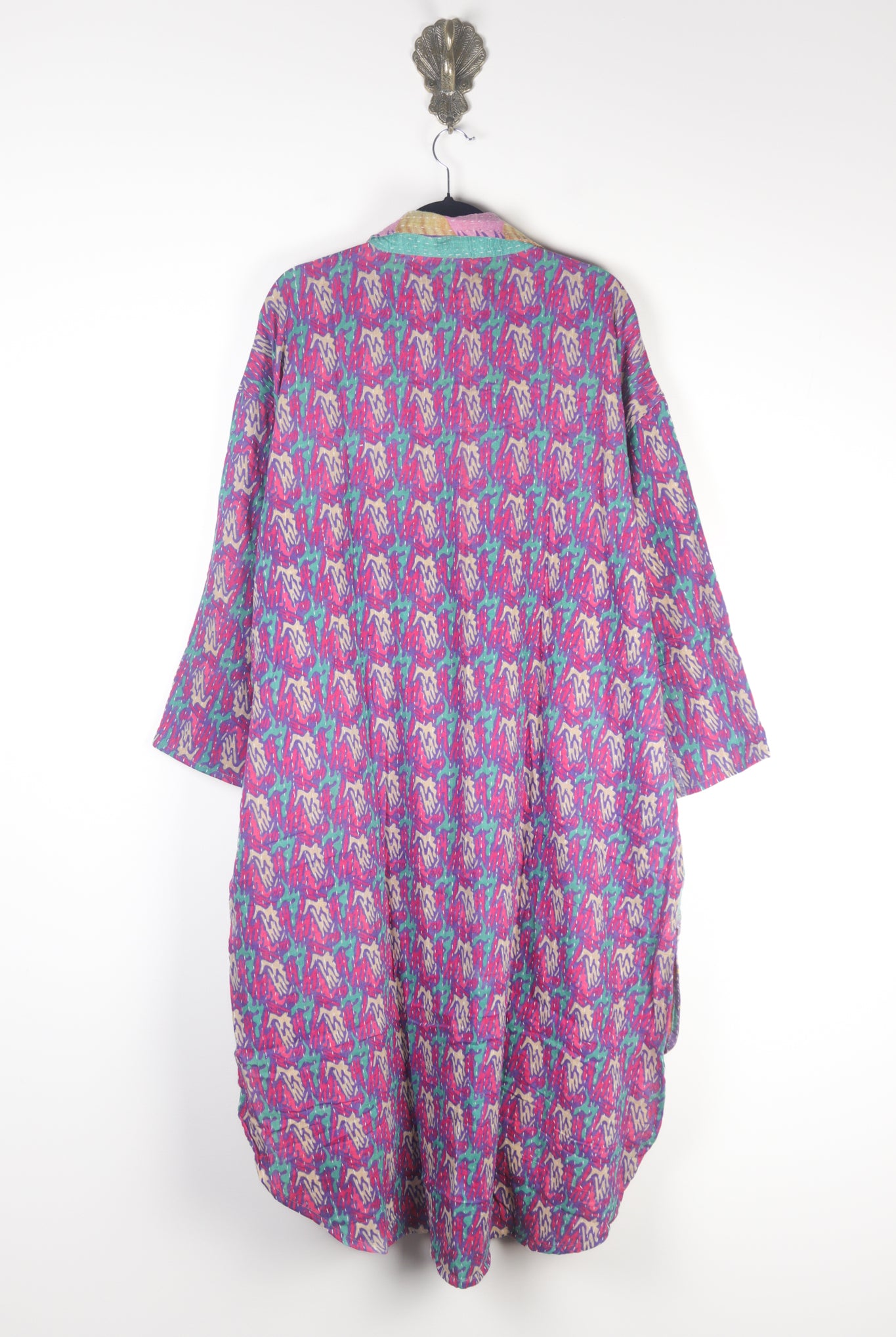
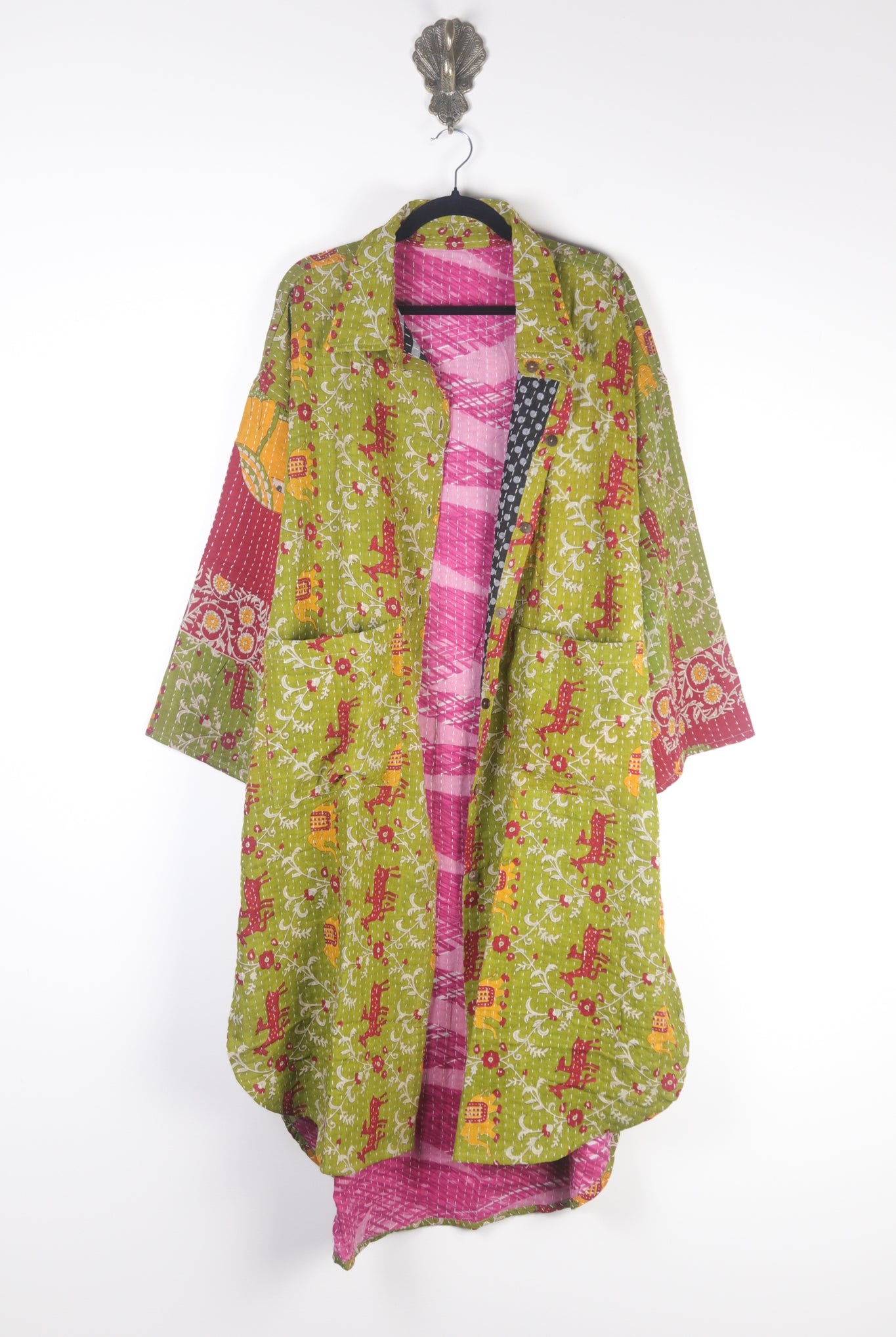
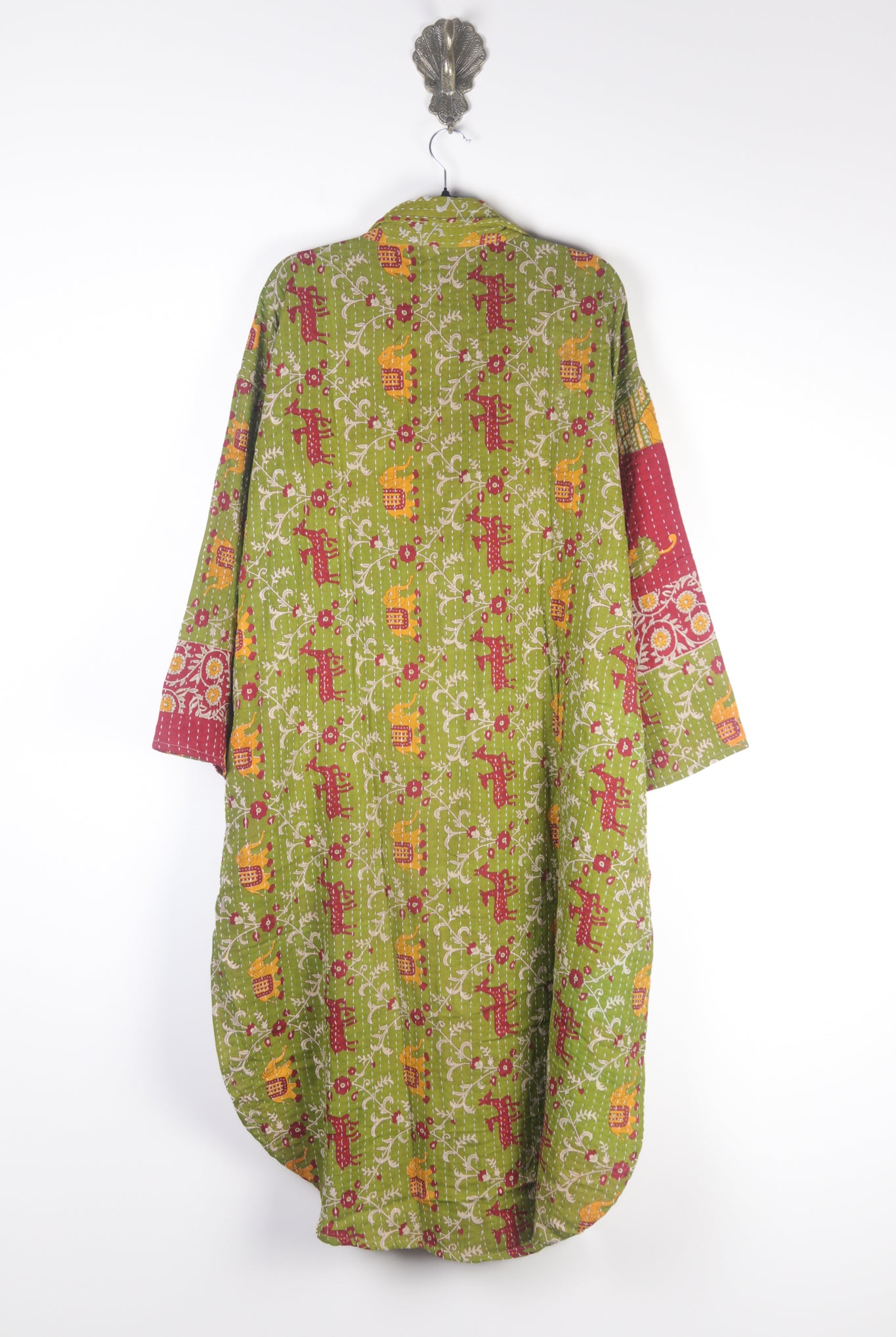
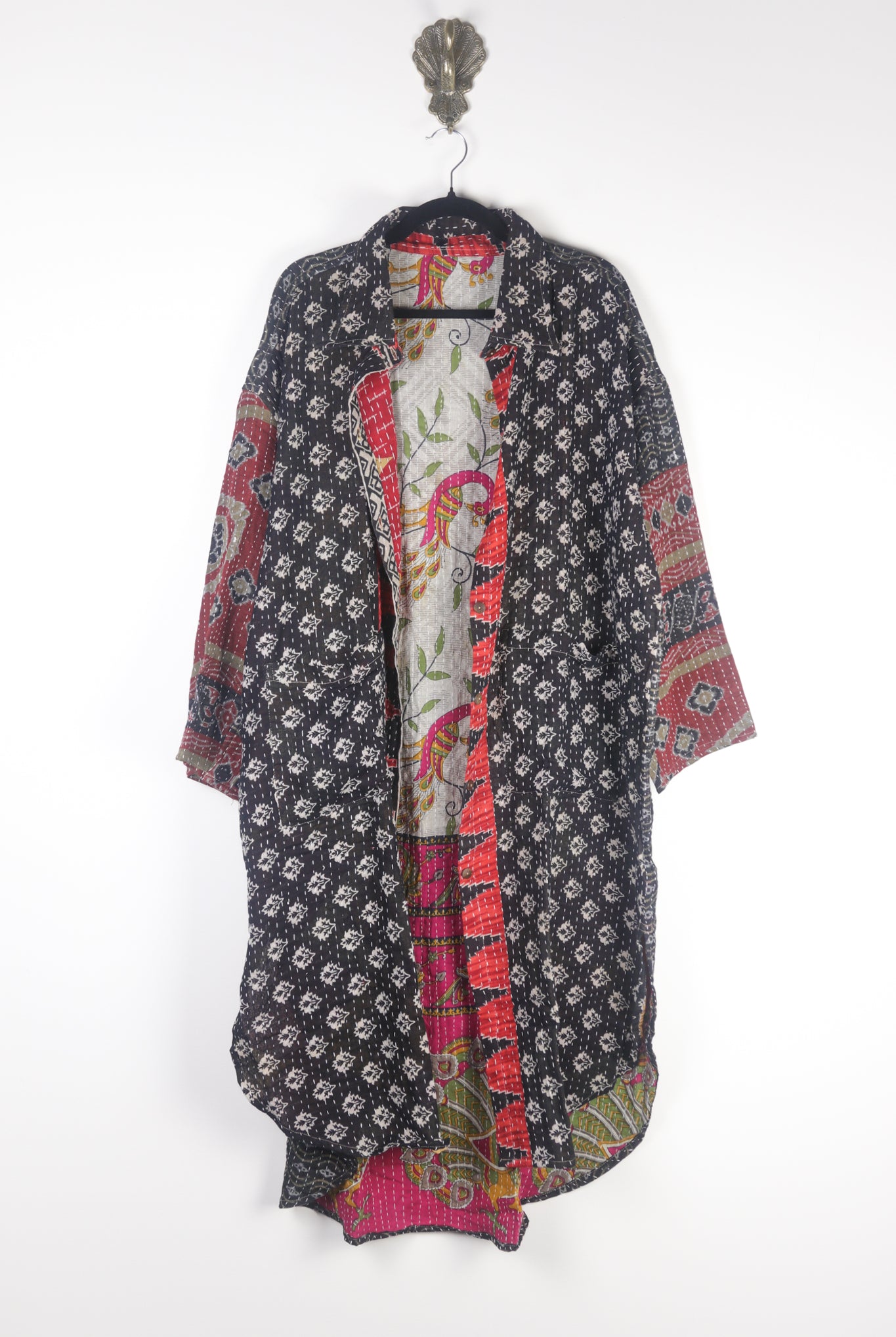
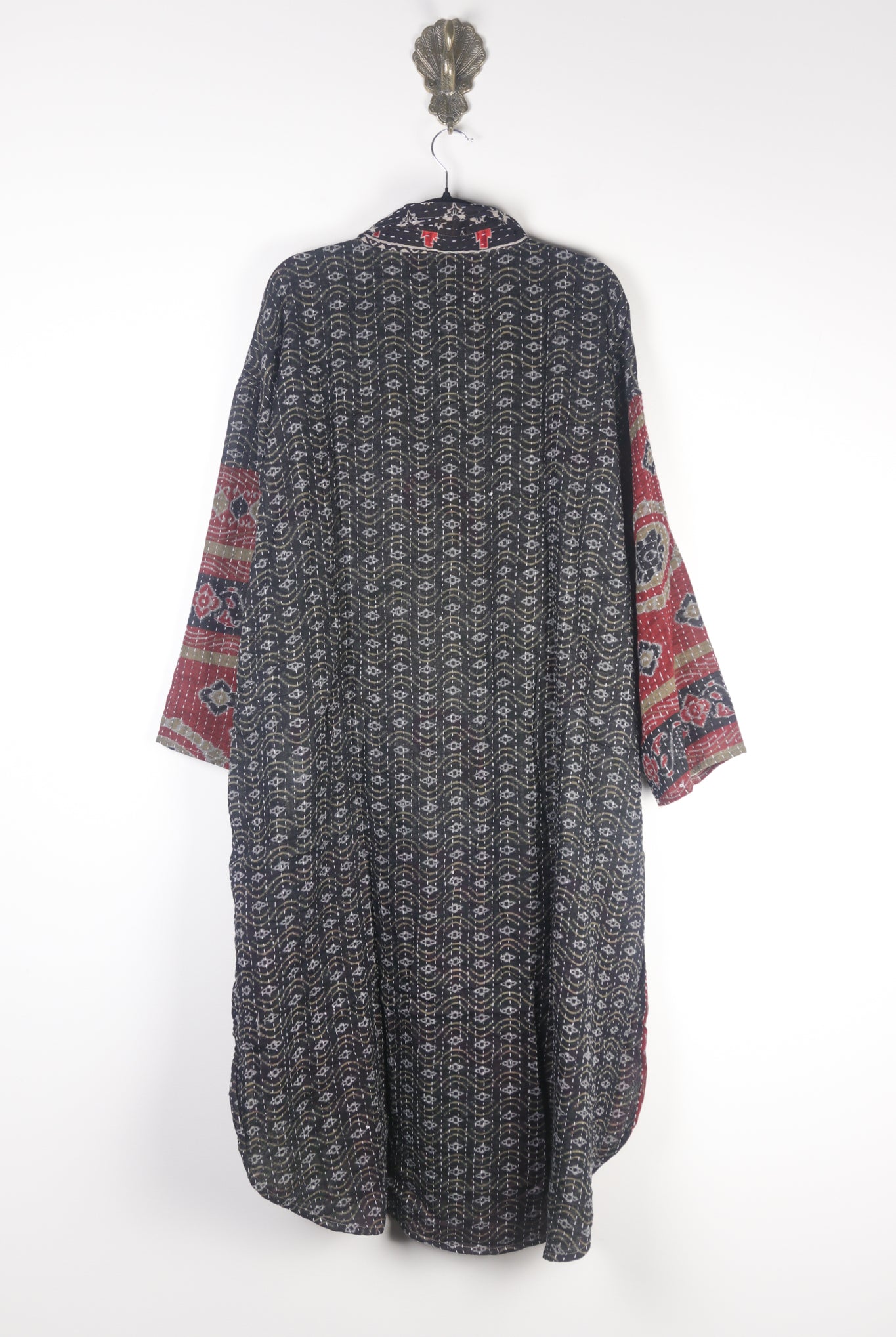
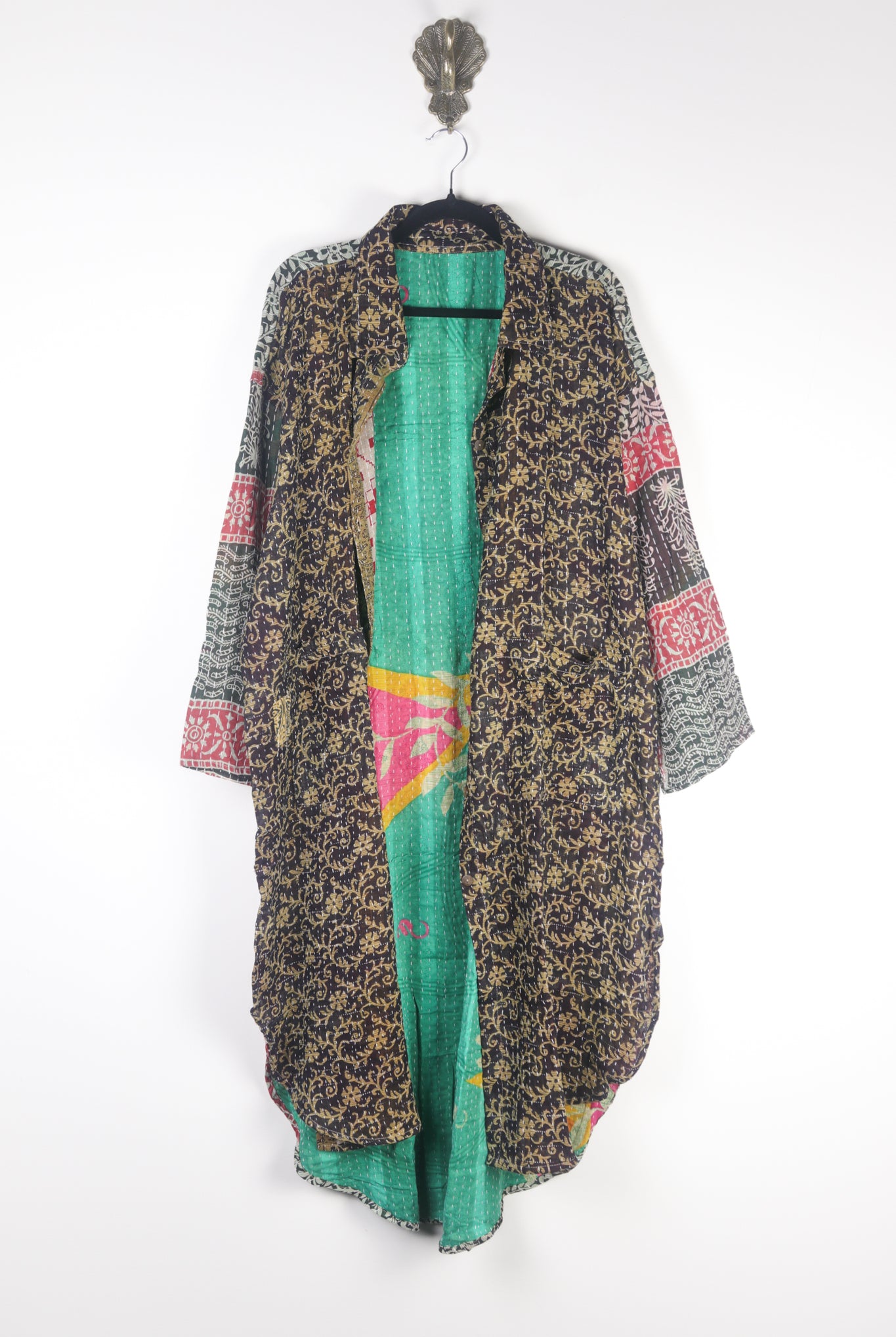
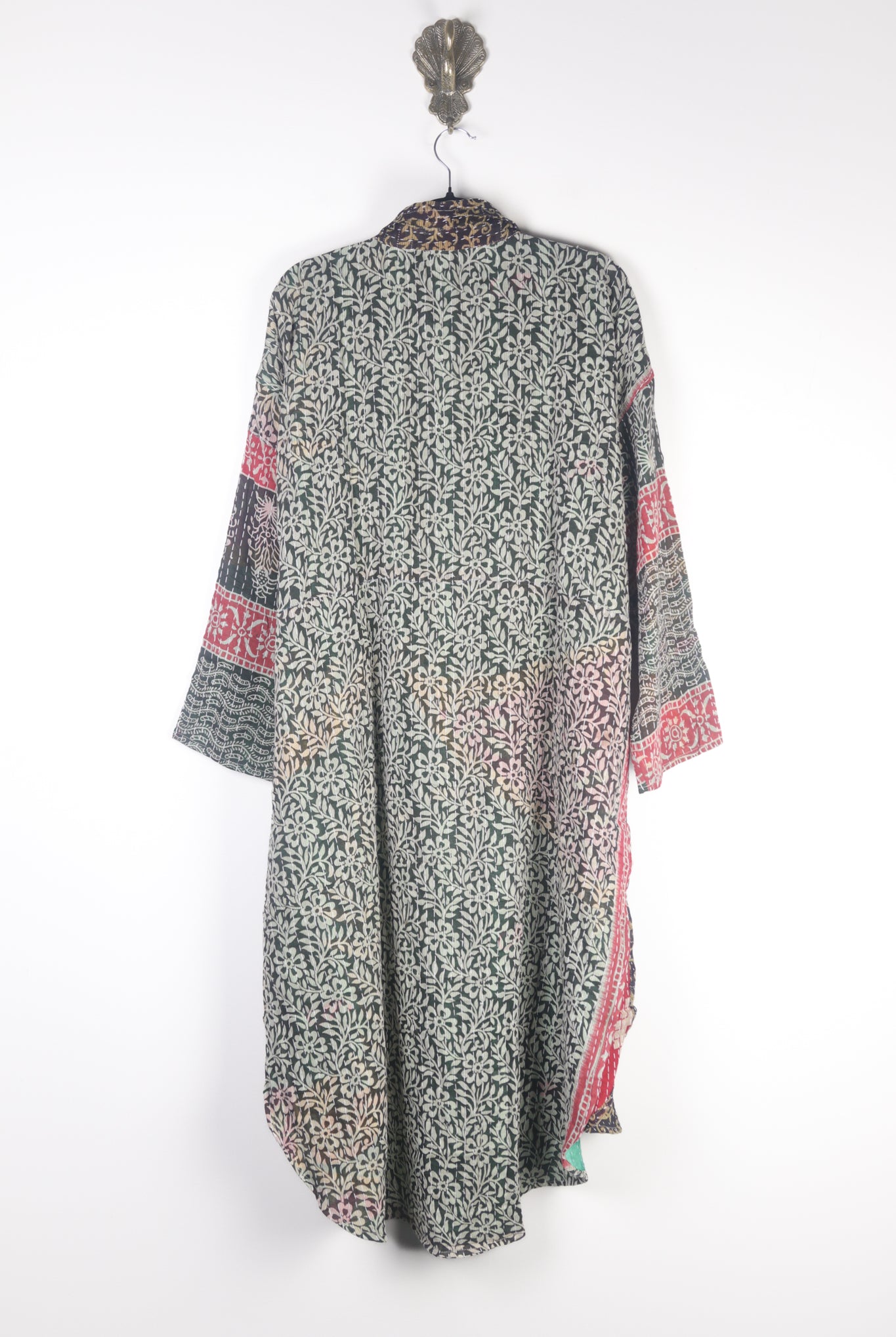
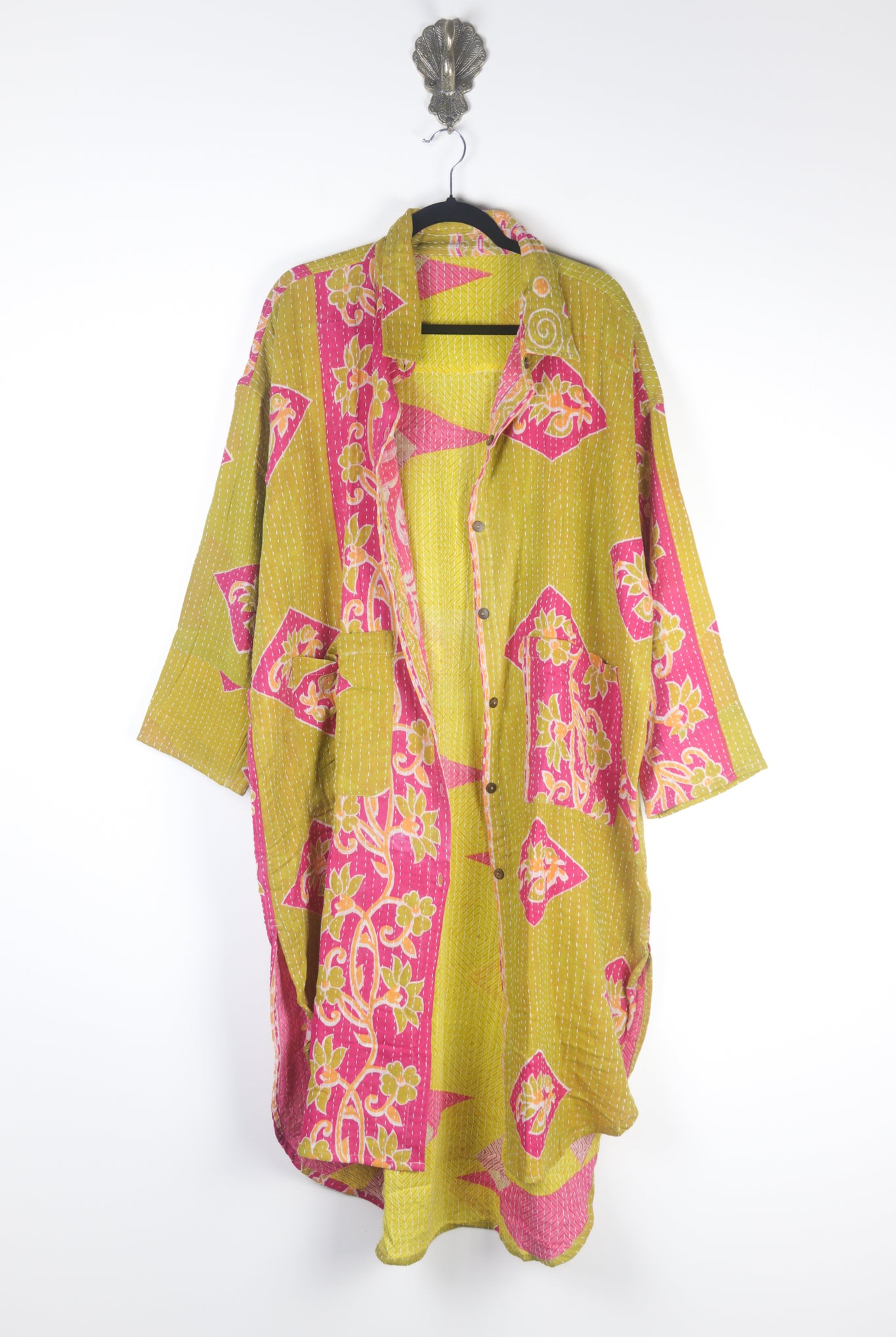
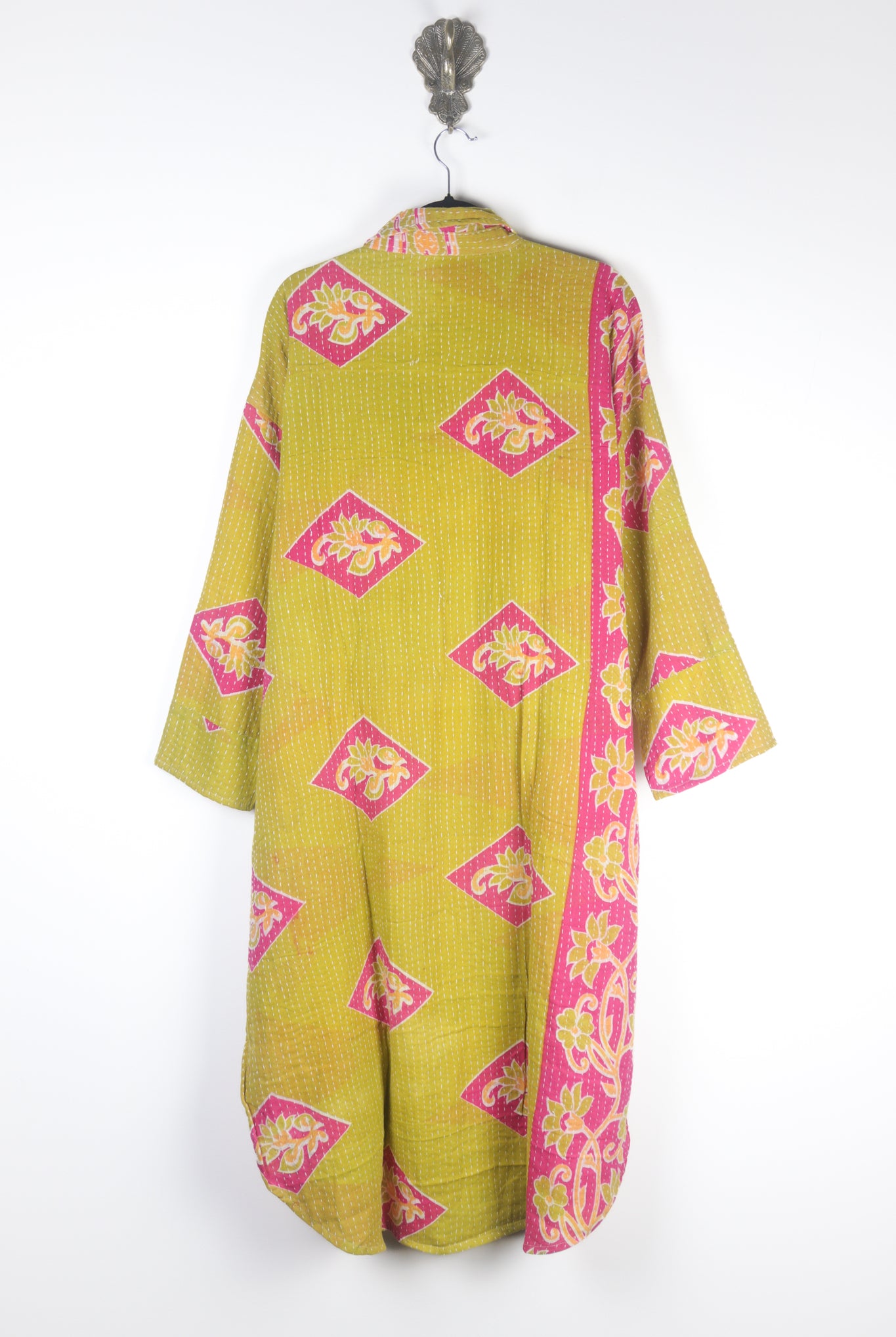
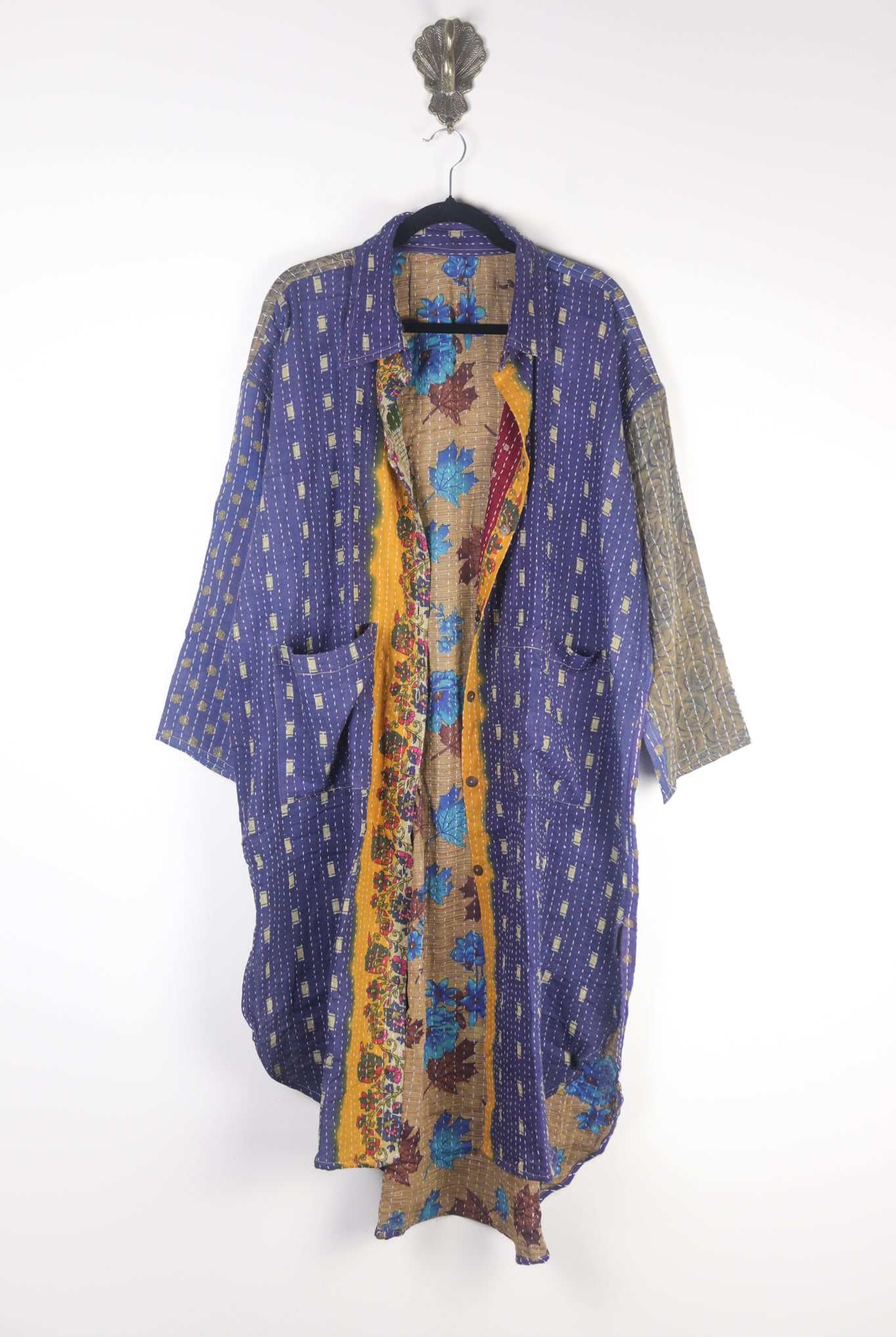
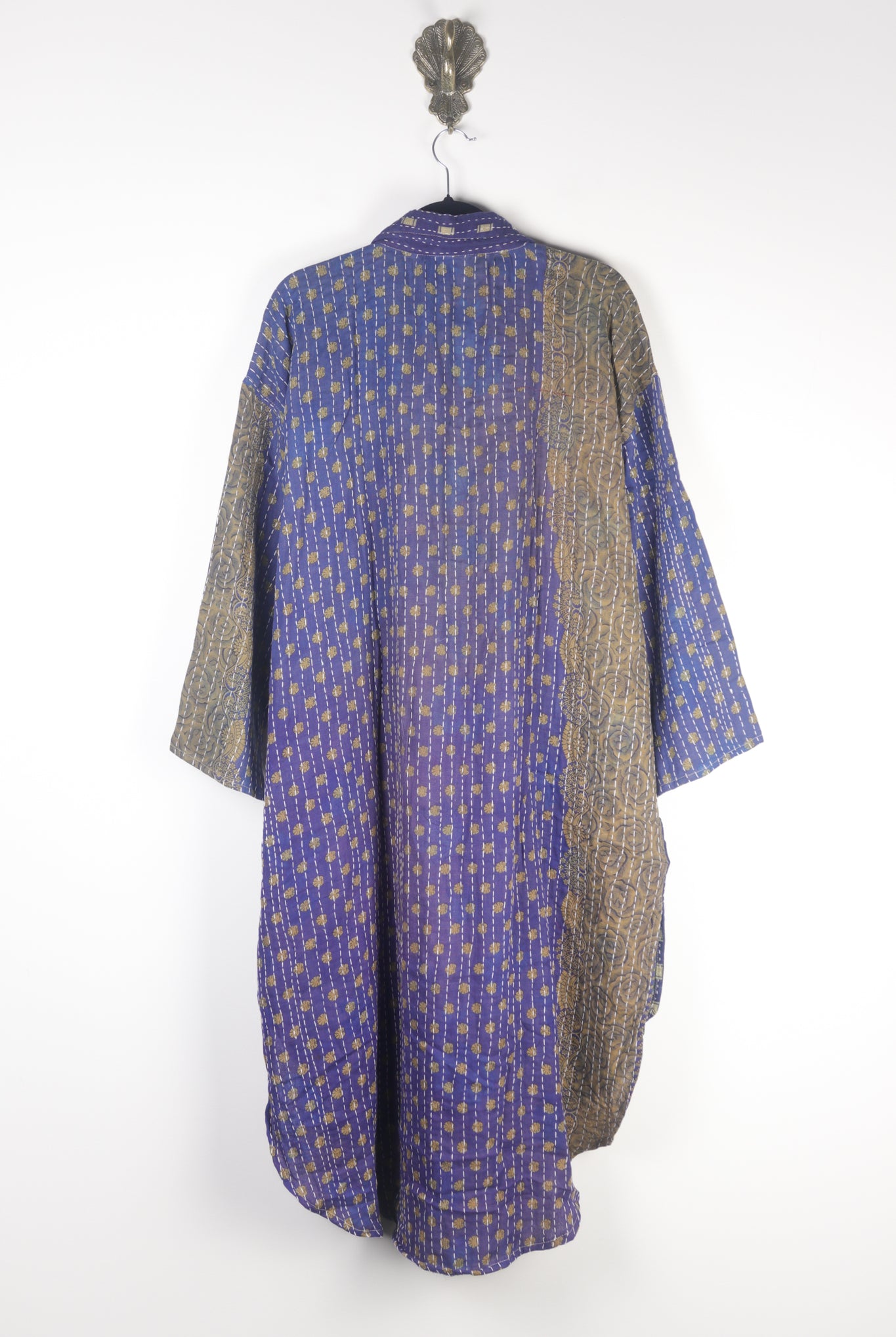
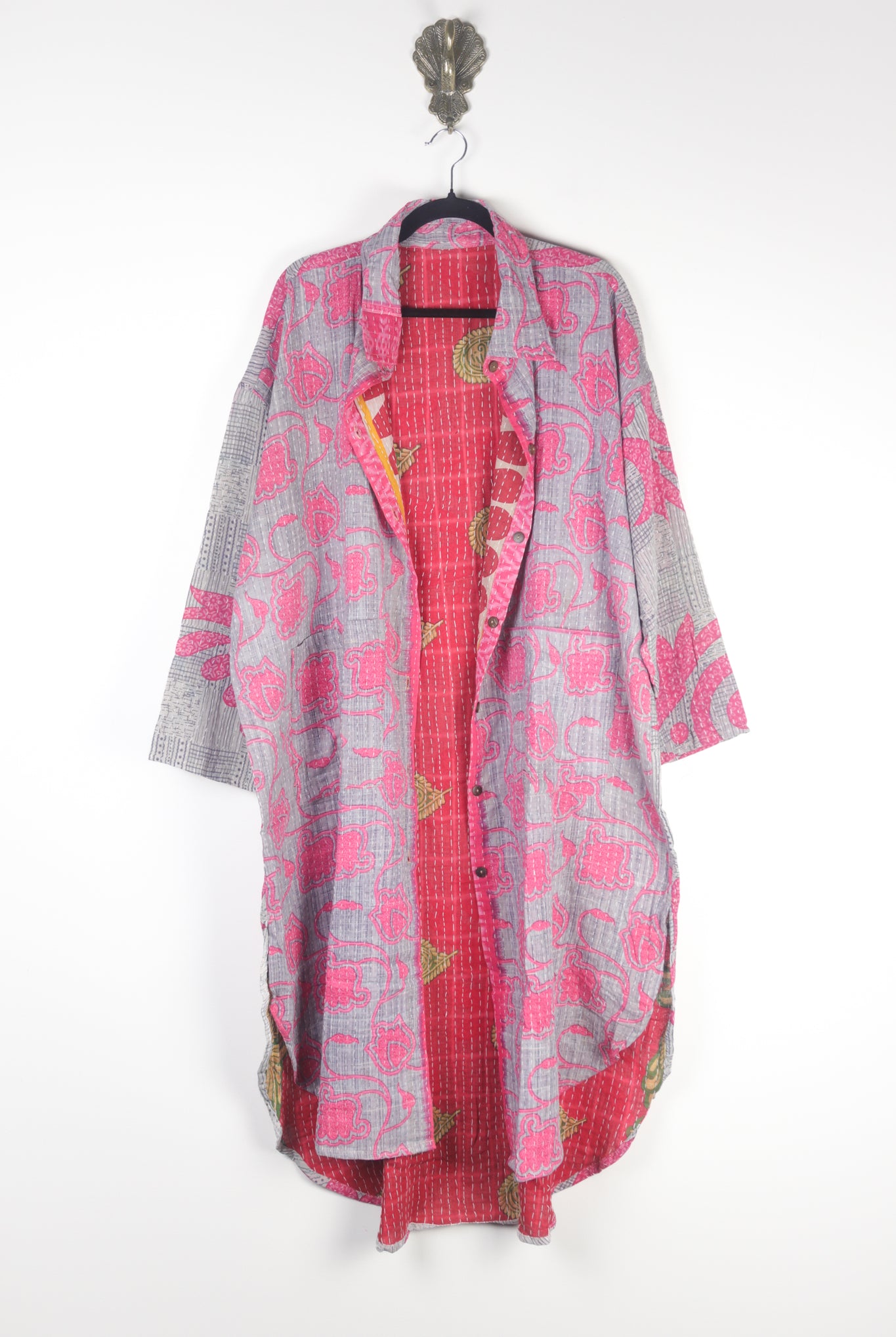
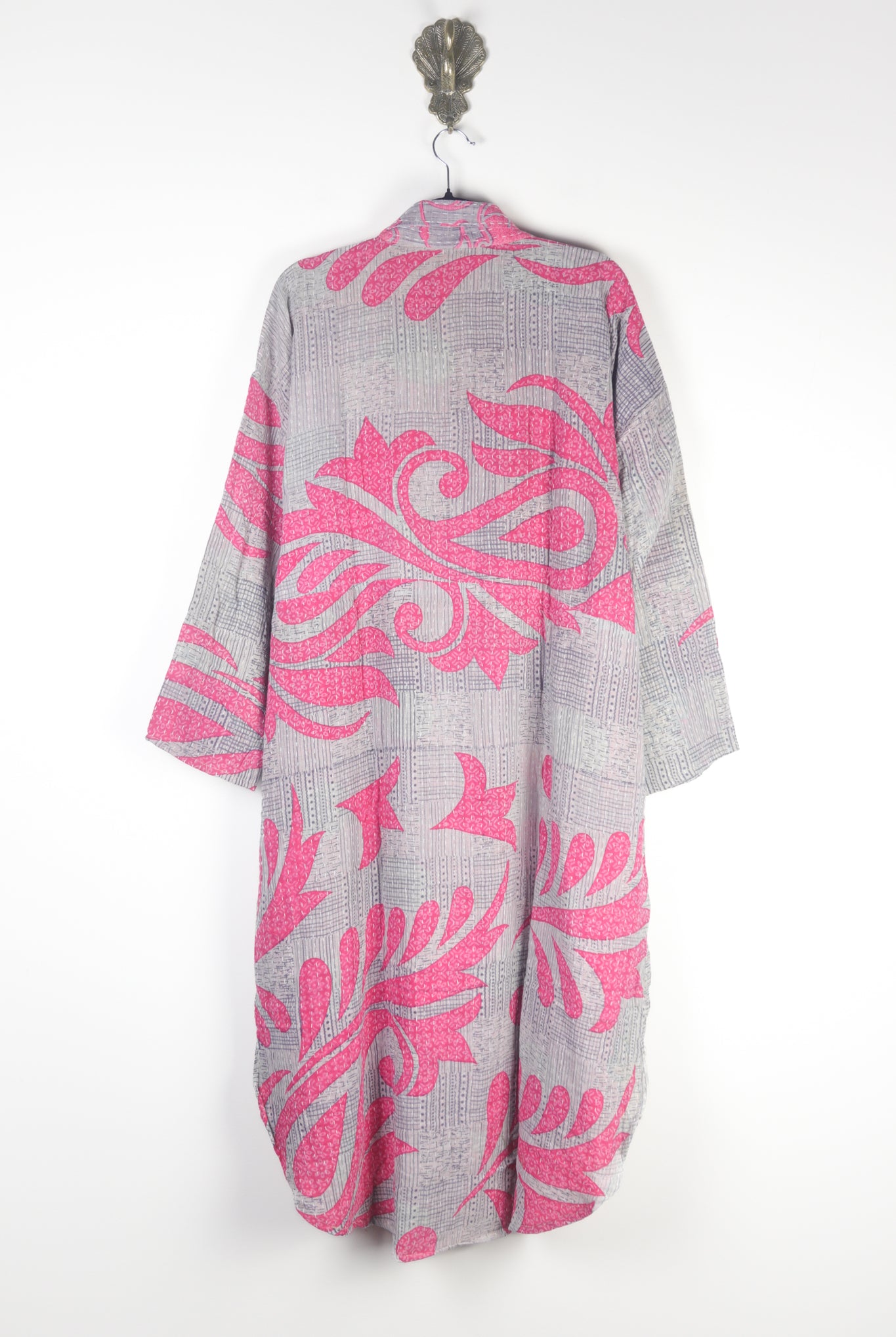
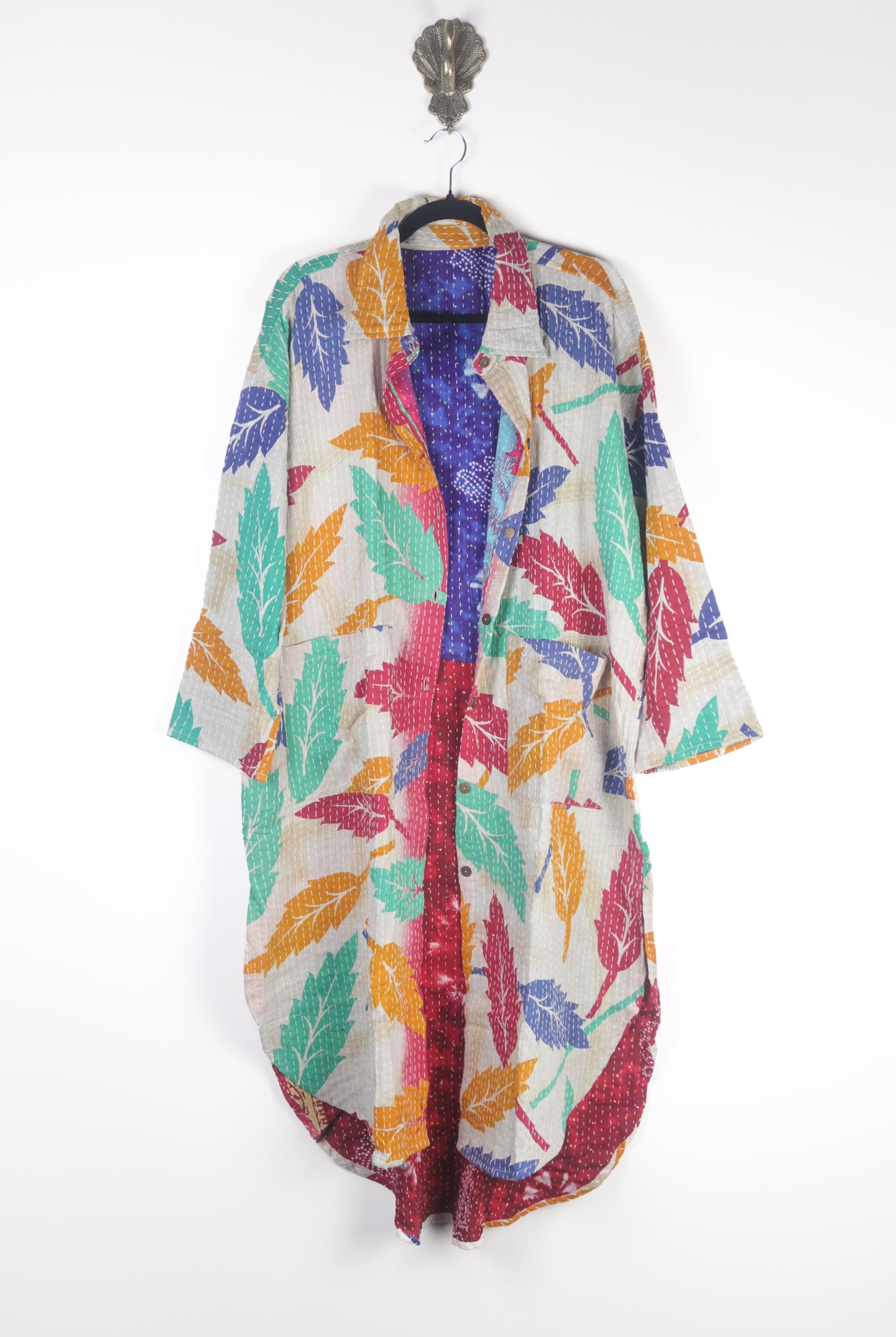
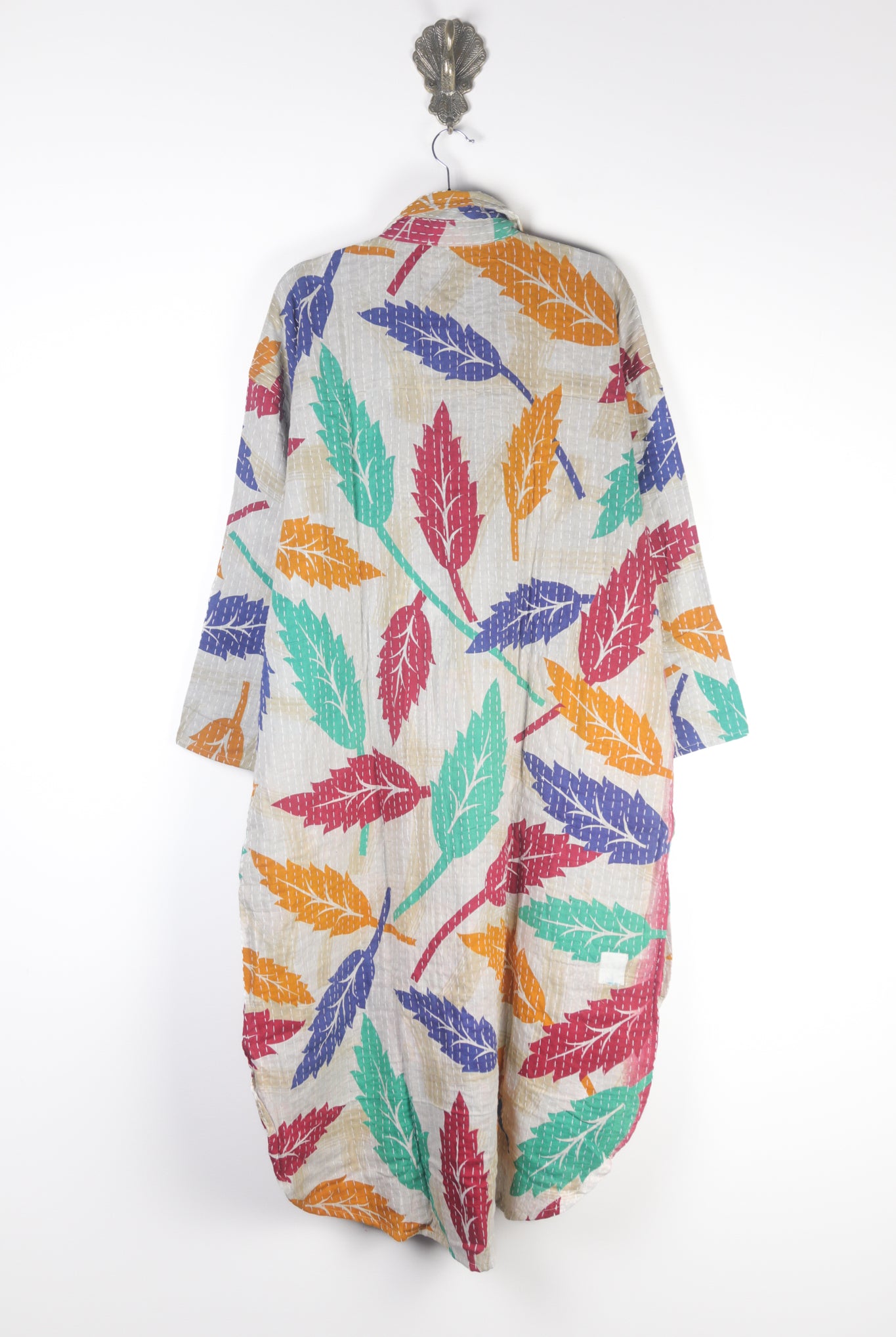
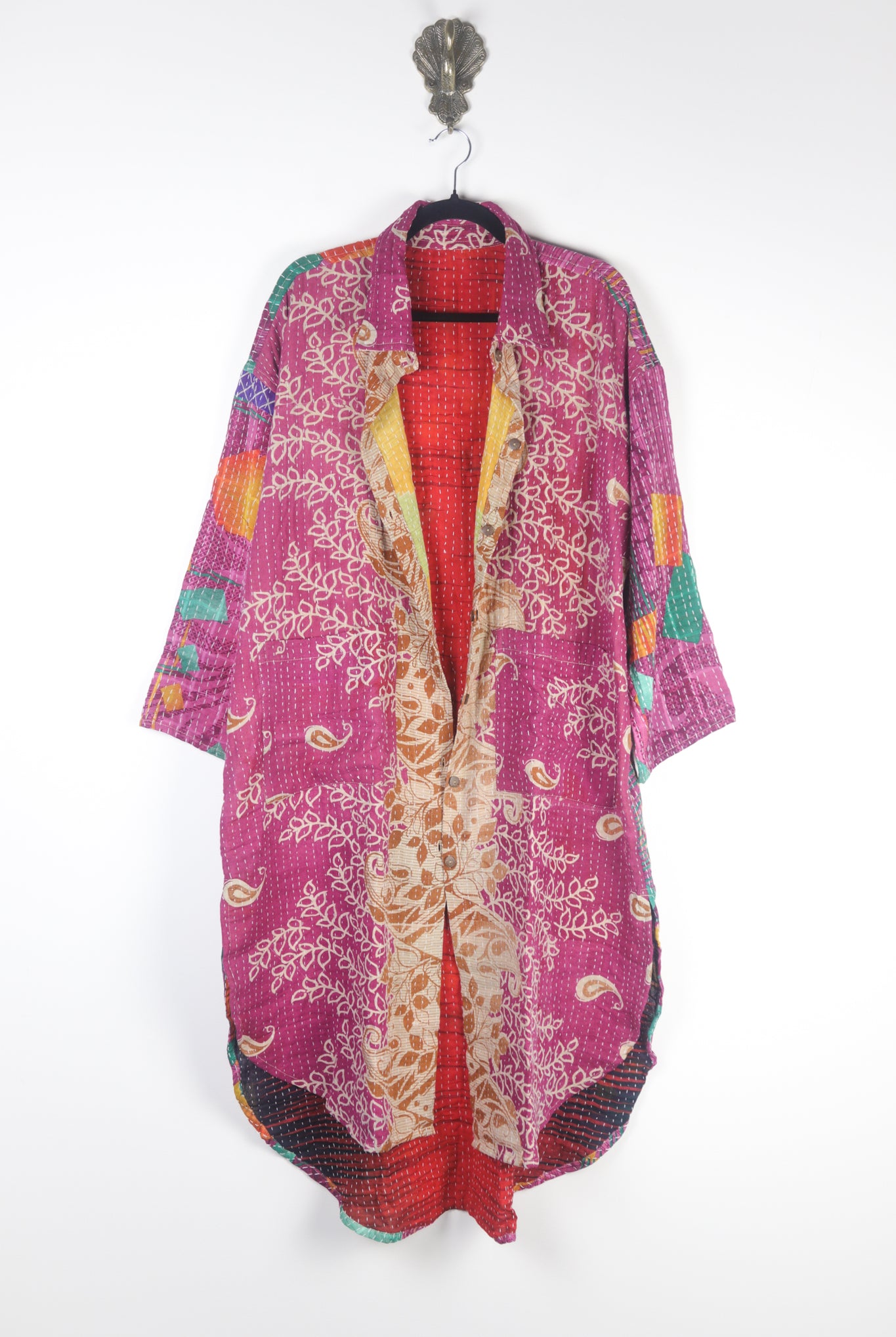
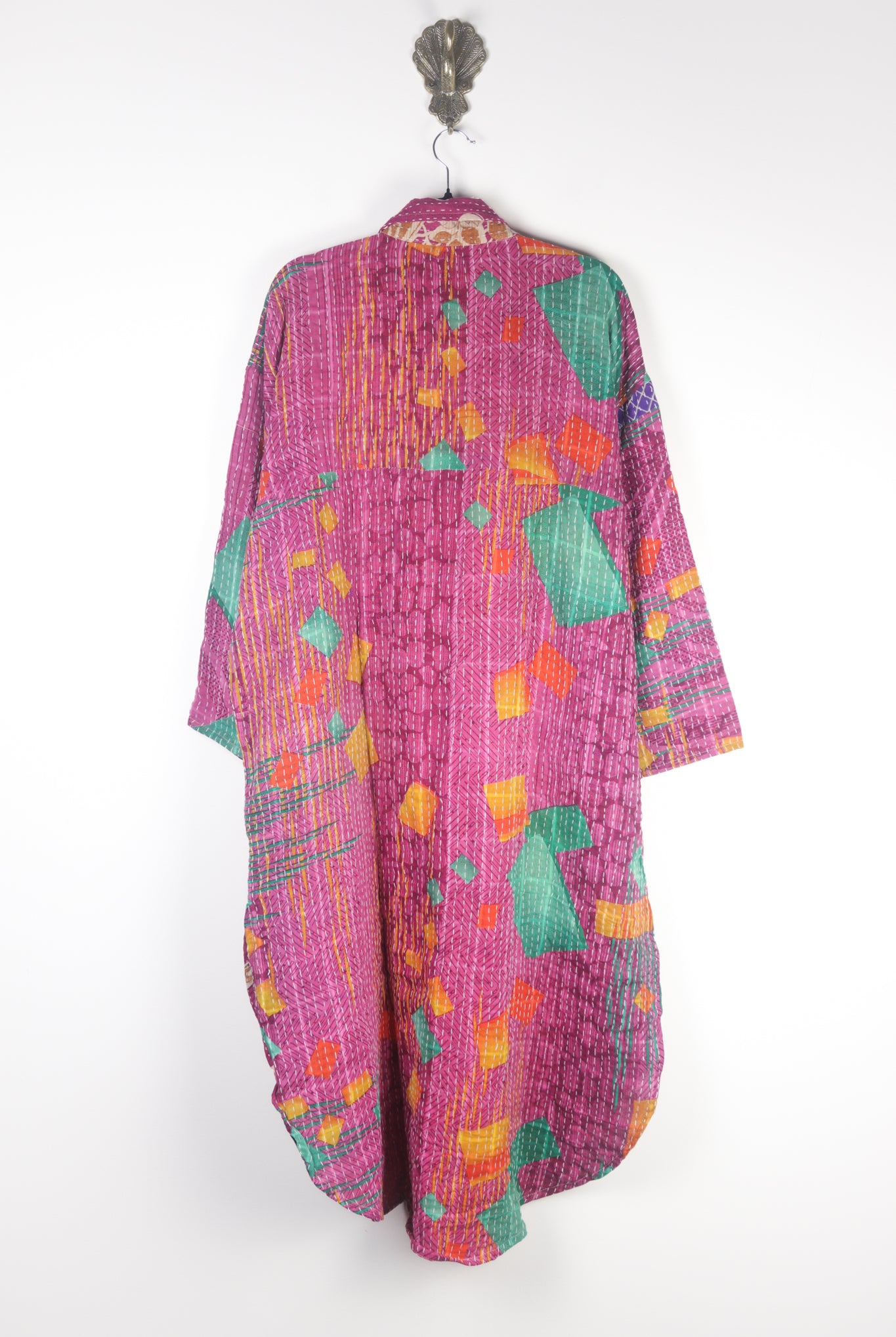
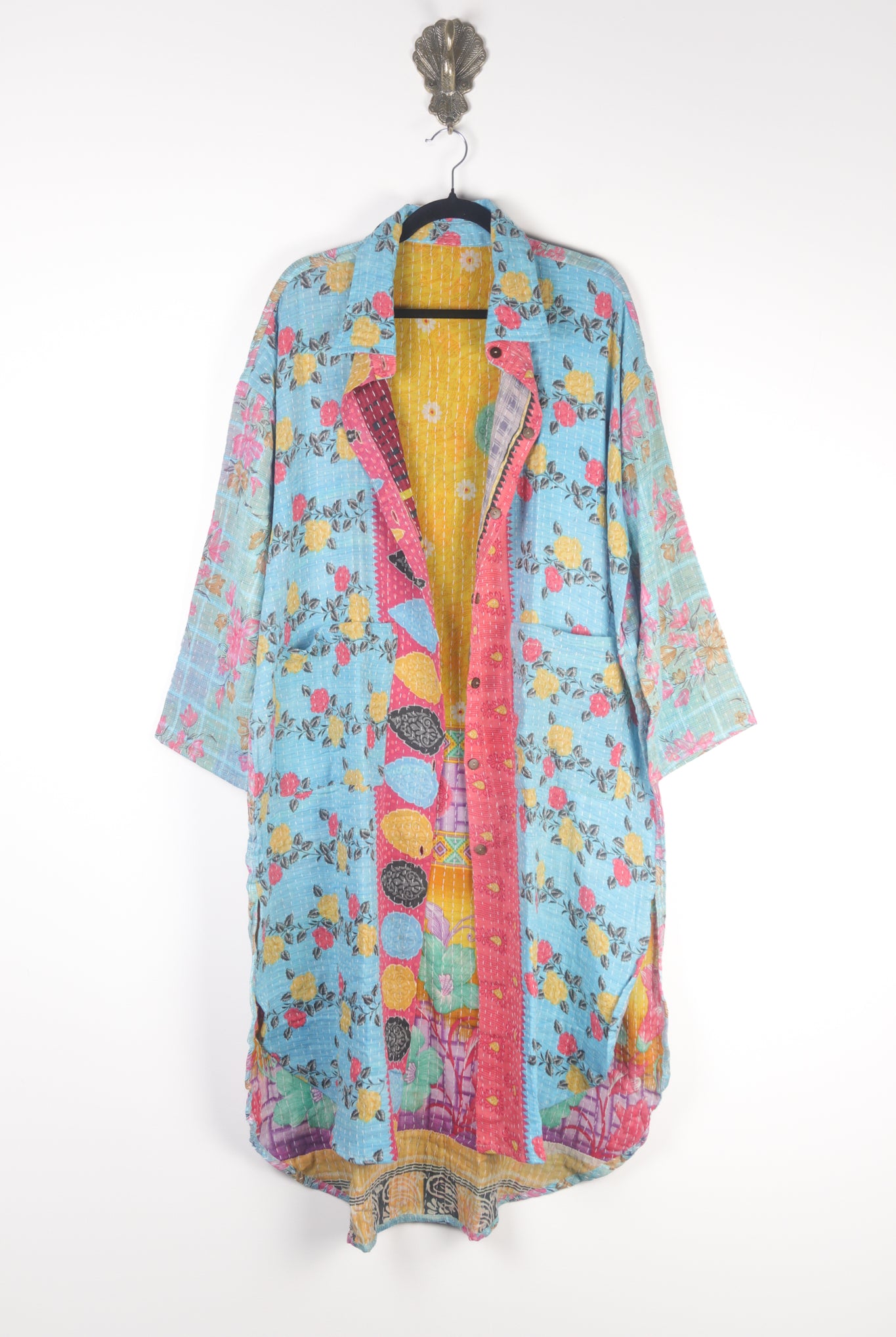
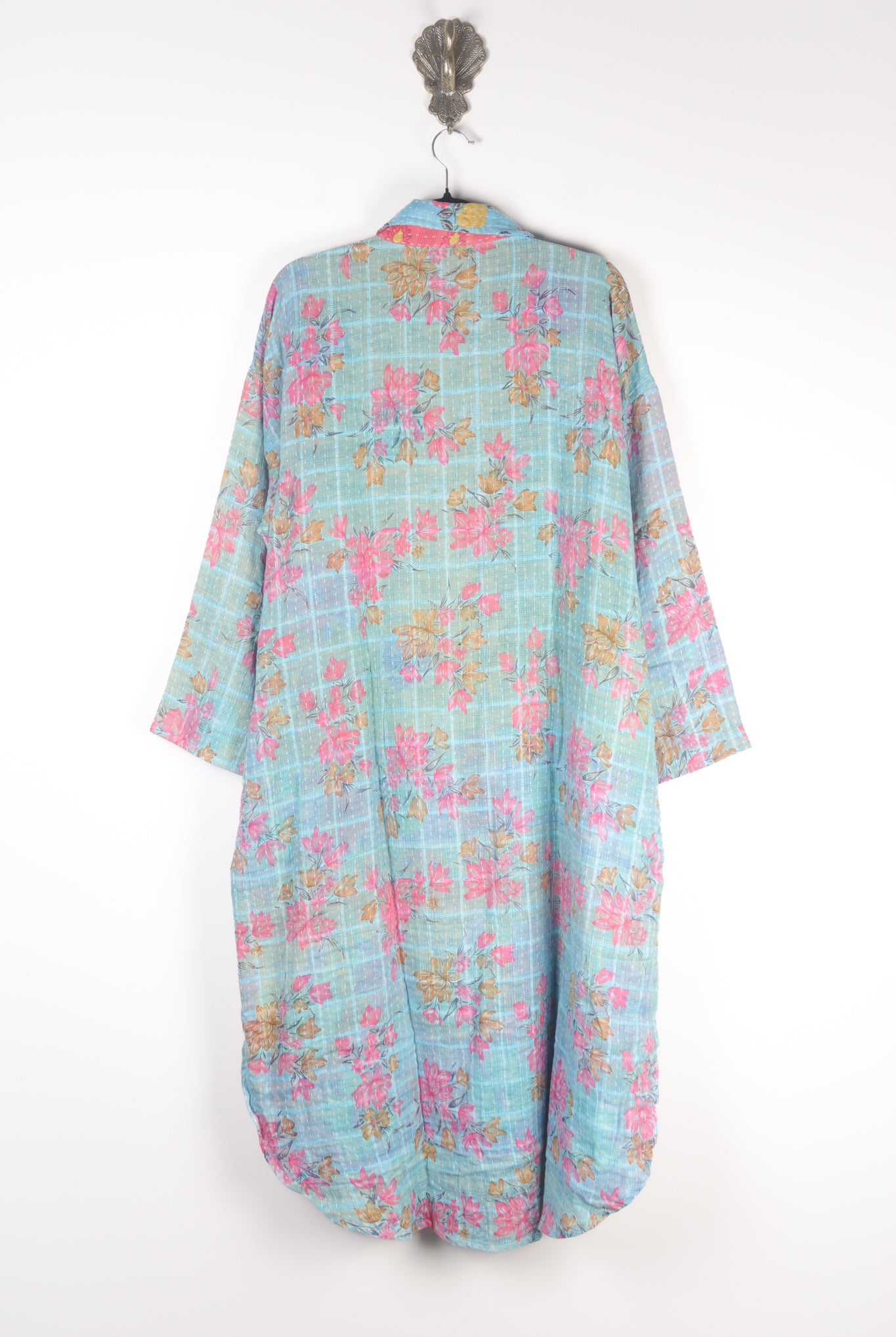
At Renew Bohemian, sustainability isn’t a trend or a marketing angle; it’s the foundation of everything we do. From the fabrics we choose to the partners we work with, every decision is guided by a commitment to circular fashion, thoughtful production, and care for both people and planet.
As we reflect on 2025, we’re proud to share the progress we’ve made. This report is a snapshot of the steps we’ve taken to reduce waste, lower our impact, and support the communities behind our clothing.

Why This Work Matters
The global fashion industry is growing rapidly, but so is its impact.
Today, fashion is responsible for around 10% of global carbon emissions, more than all international flights and maritime shipping combined. It also consumes an estimated 141 billion cubic metres of water each year and contributes to around 35% of microplastics in our oceans, largely from synthetic fibres like polyester.
At the same time, clothing is being worn less than ever. On average, garments are now worn just 7 to 10 times before being discarded, a decline of more than 35% in the past 15 years. Despite growing awareness around sustainability, the fast fashion market continues to expand, driven by high consumption and low-cost production.
Behind the scenes, the human cost is just as significant. The fashion and textile industry employs over 430 million people globally, yet many workers face unsafe conditions and are paid far below a living wage.
Less than 1% of clothing is recycled back into new garments, meaning the vast majority of textiles end up in landfill or are exported to the Global South, where they often become an environmental burden for other communities.
Our Impact
A snapshot of what we achieved together in 2025:
13,000+ lbs of textile waste saved from landfill across our kantha and recycled silk ranges
5,000+ jobs supported, many for women across India and Bali
Solar-powered production across one of our Indian workshops and our Australian Kantha HQ
Rainwater use at HQ, reducing reliance on external water sources
Zero plastic packaging implemented across our supply chain with our partners
100% recyclable shipping materials, made from FSC-certified, post-consumer recycled content
Low-waste design practices, repurposing offcuts into pockets, trims, and order ties
Recycled materials at our core, using pre-existing fabrics to reduce water, energy, and chemical use
Ethical production partnerships, ensuring fair pay, safe conditions, and no underage labour or discrimination
Thoughtful day-to-day operations, including minimal paper use, recycled tags, and avoiding synthetic chemicals

Keeping Textiles Out of Landfill
In 2025, we saved over 13,000 pounds of textile waste from landfill across our kantha and recycled silk sari collections.
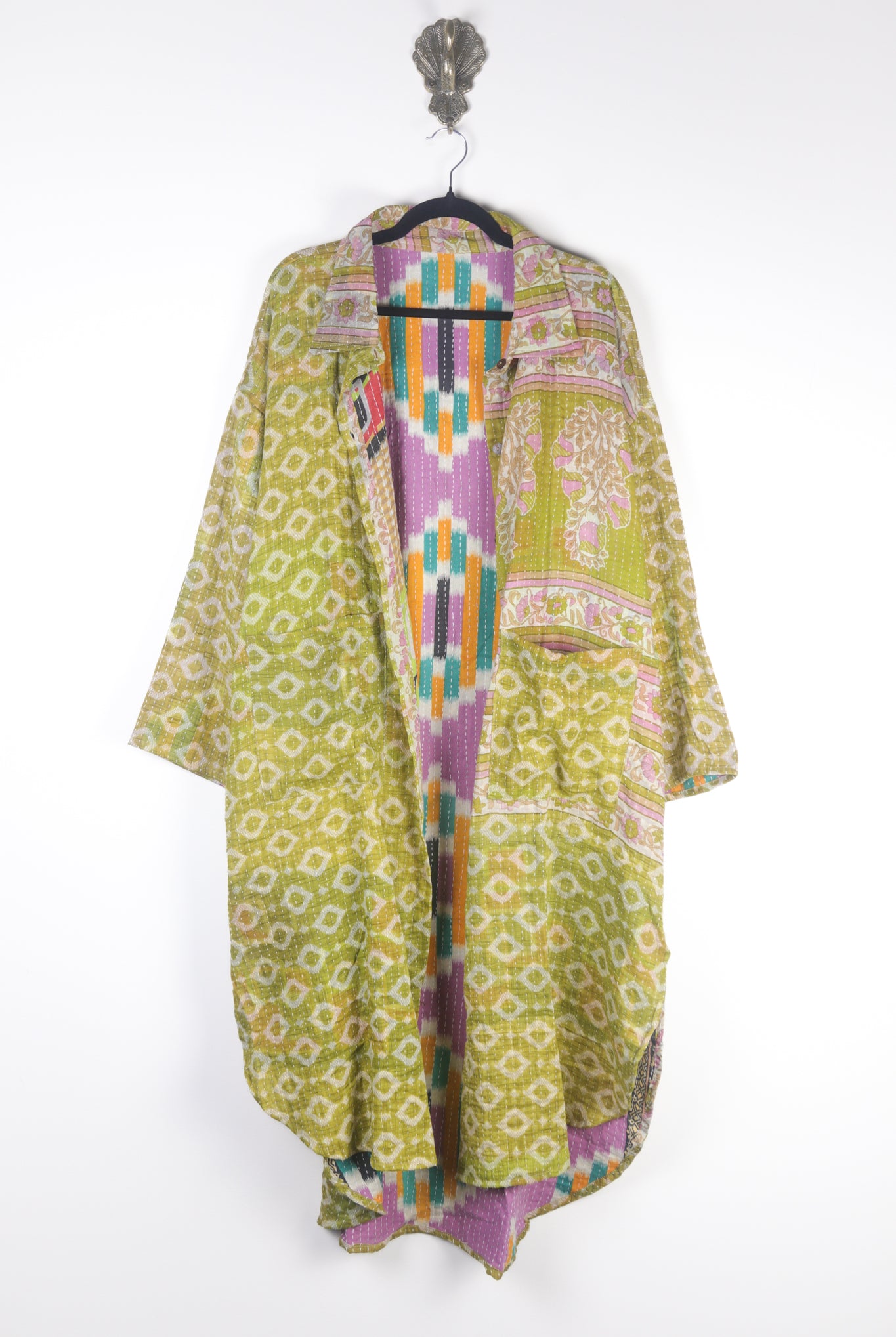
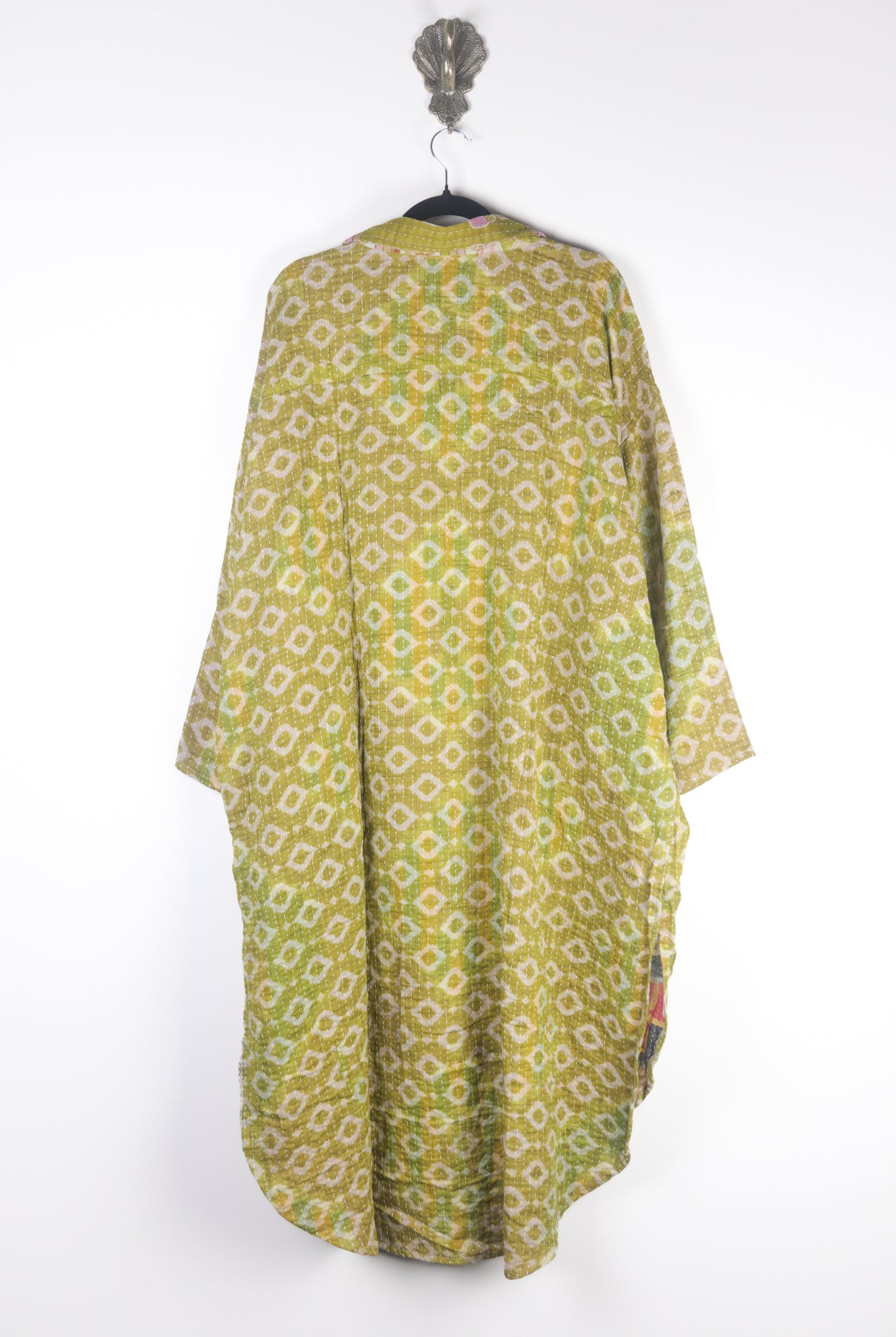
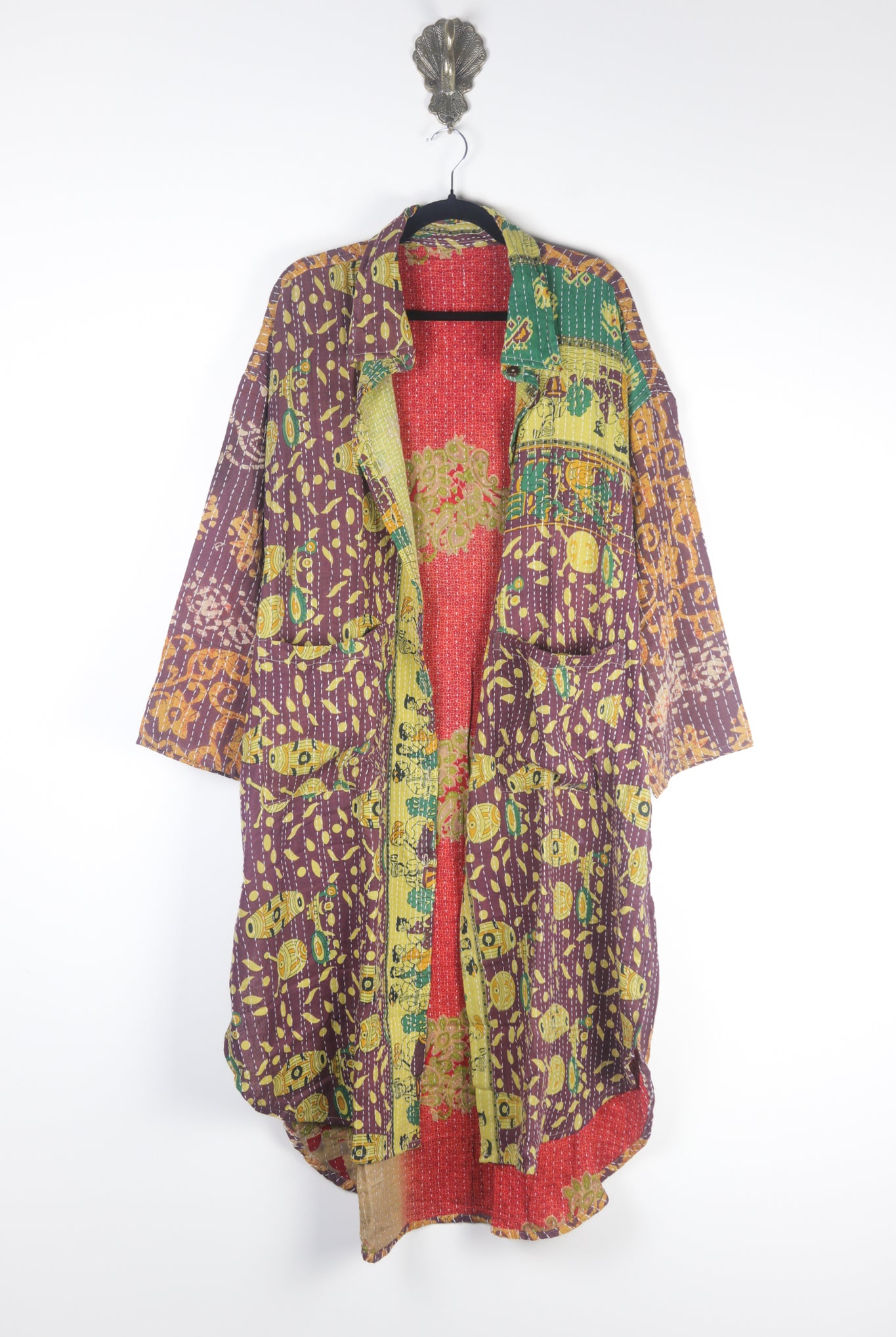
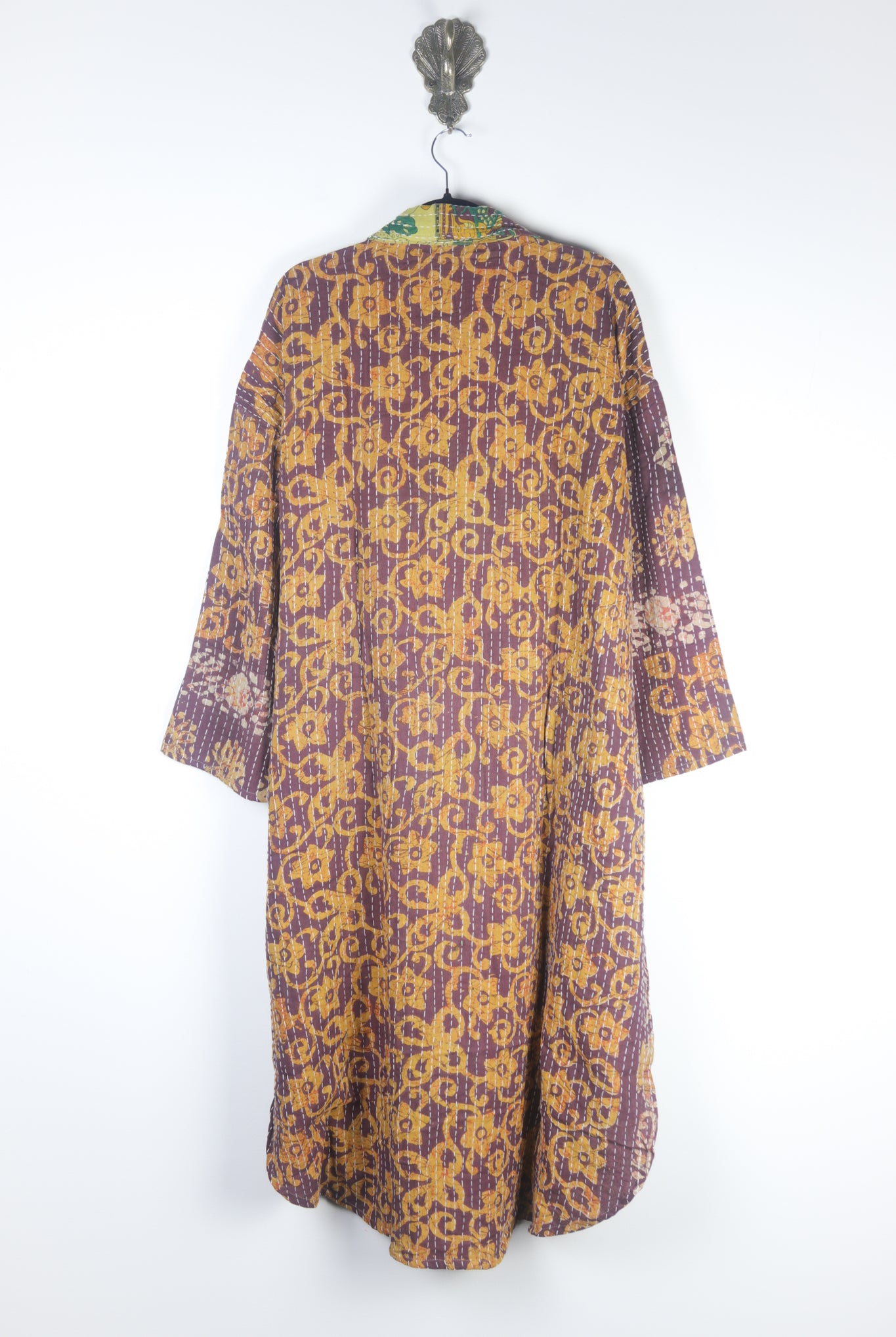
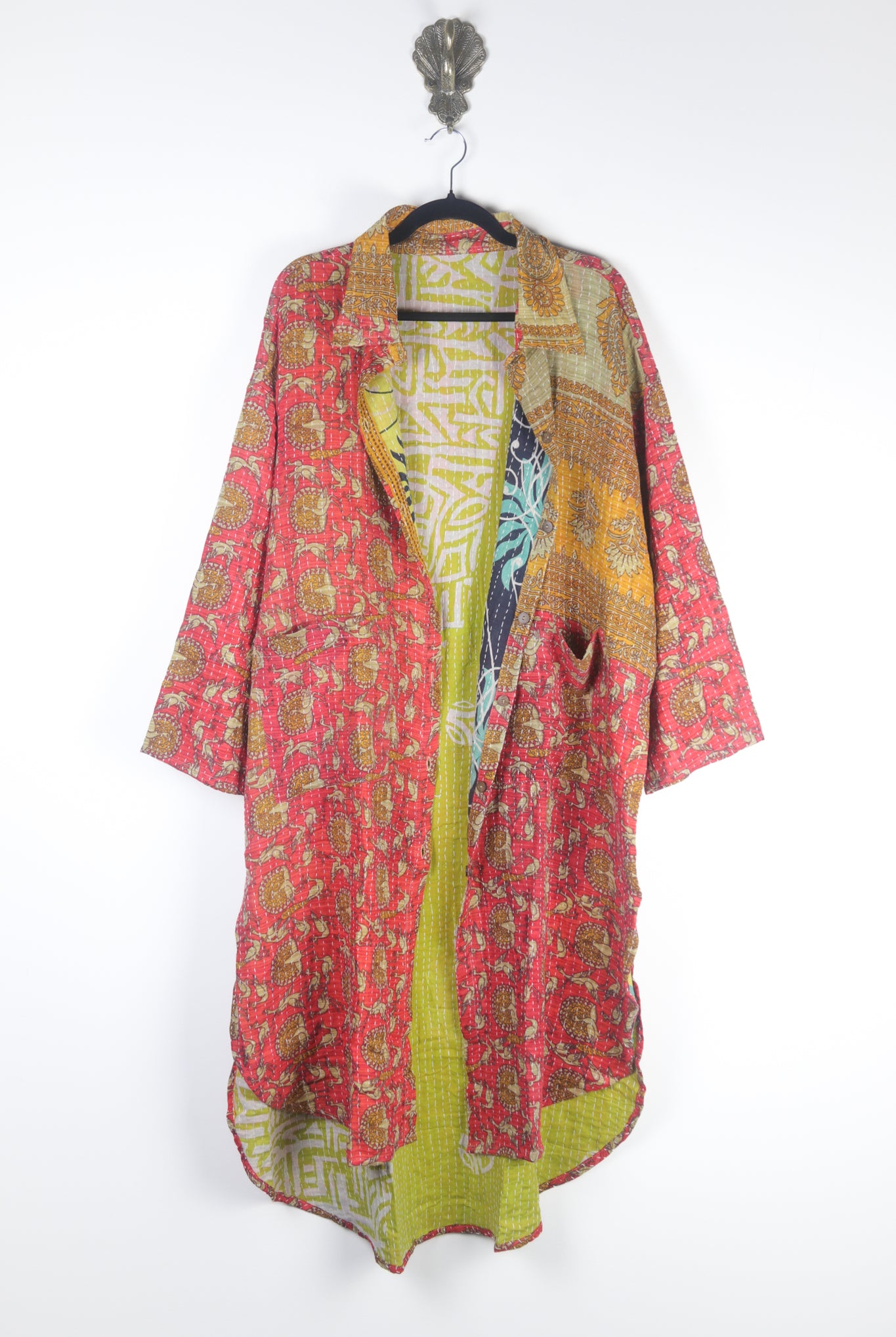
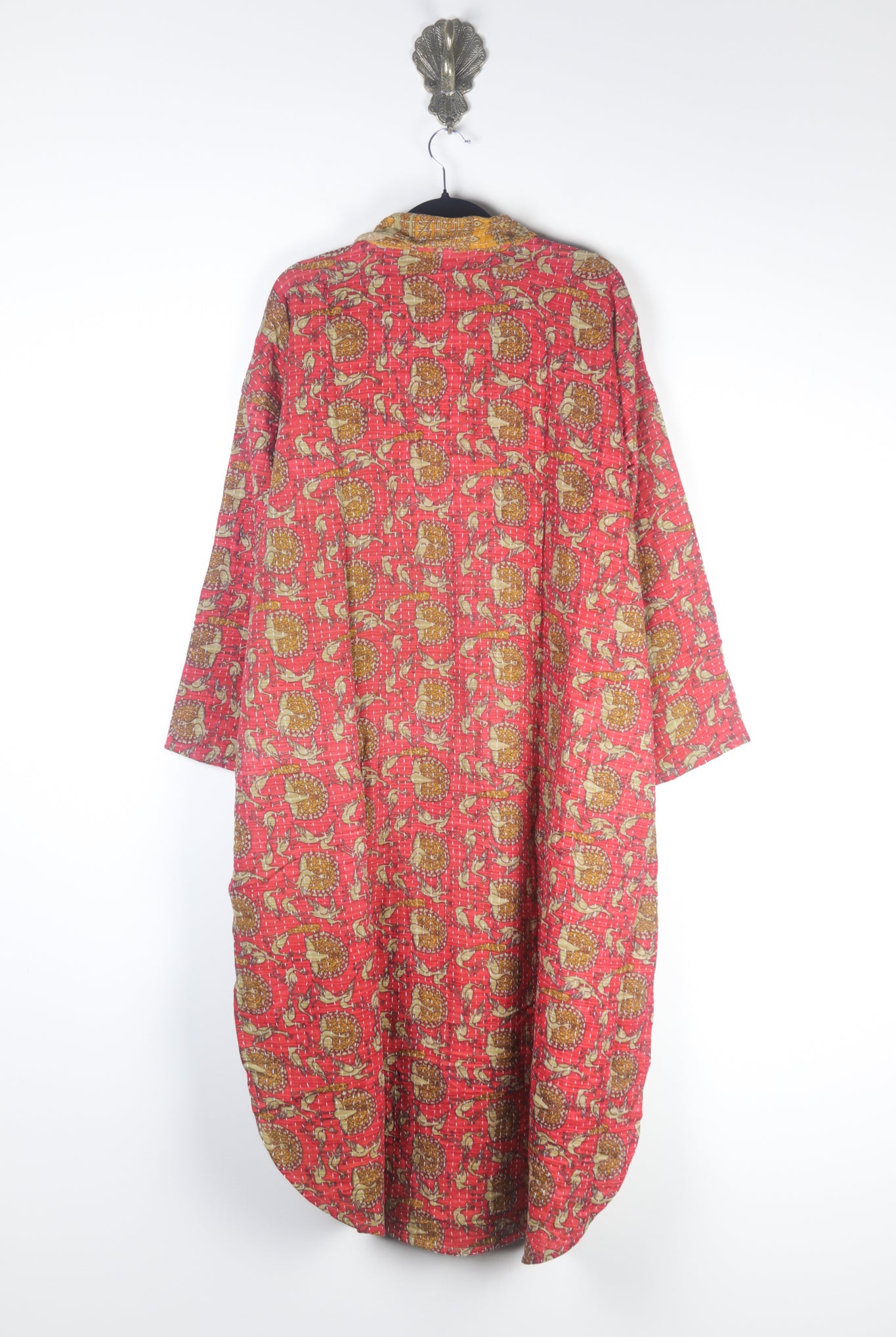
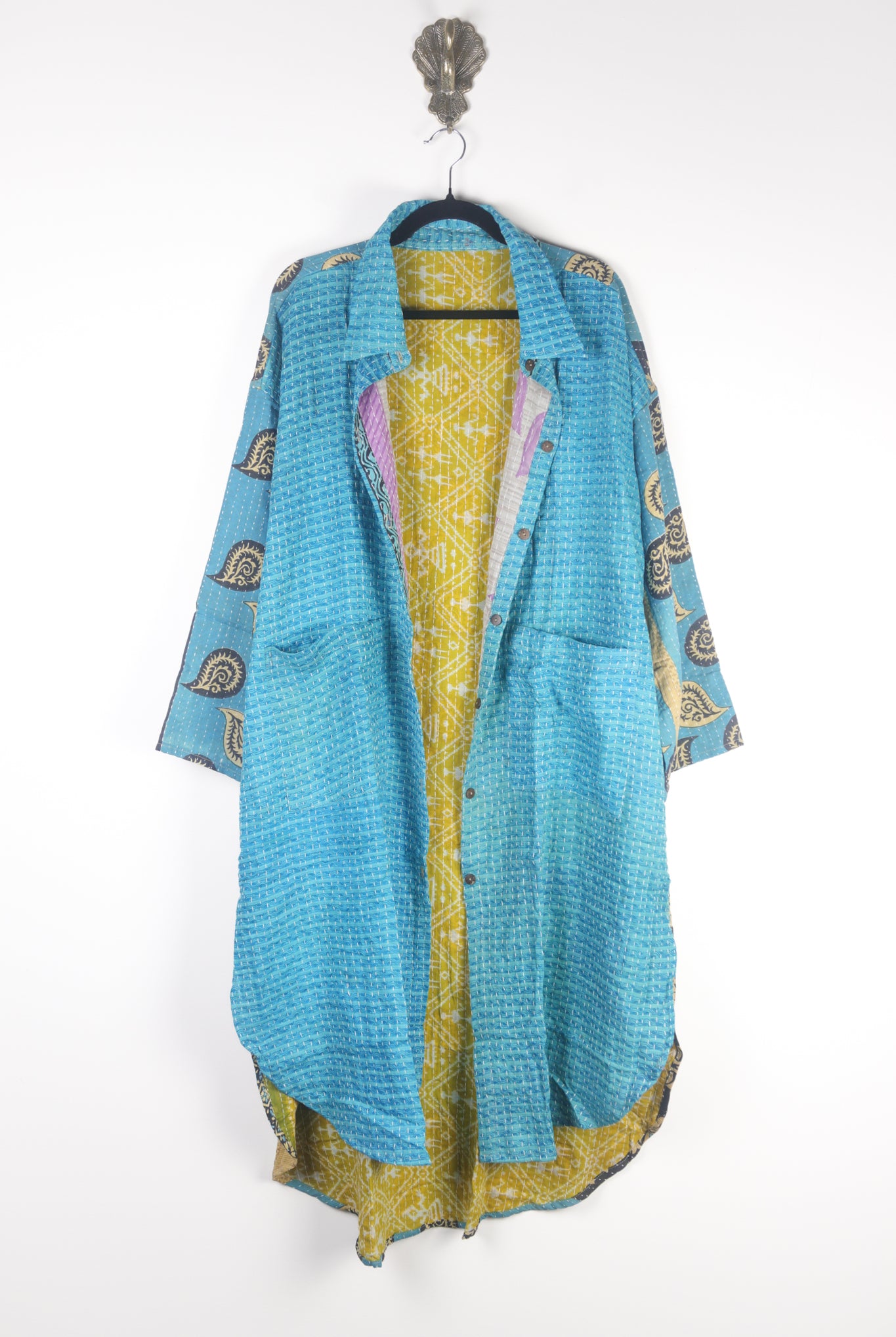
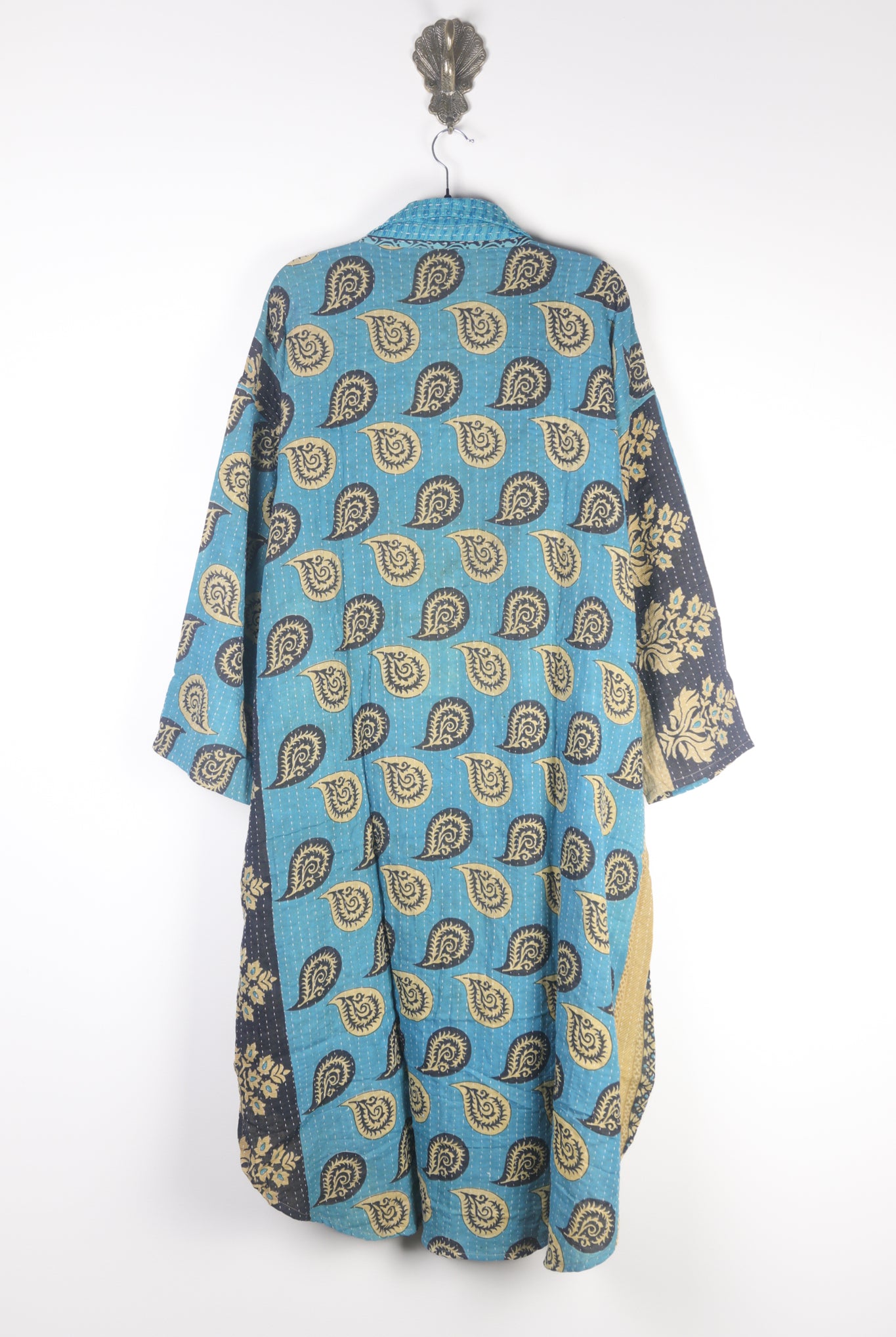
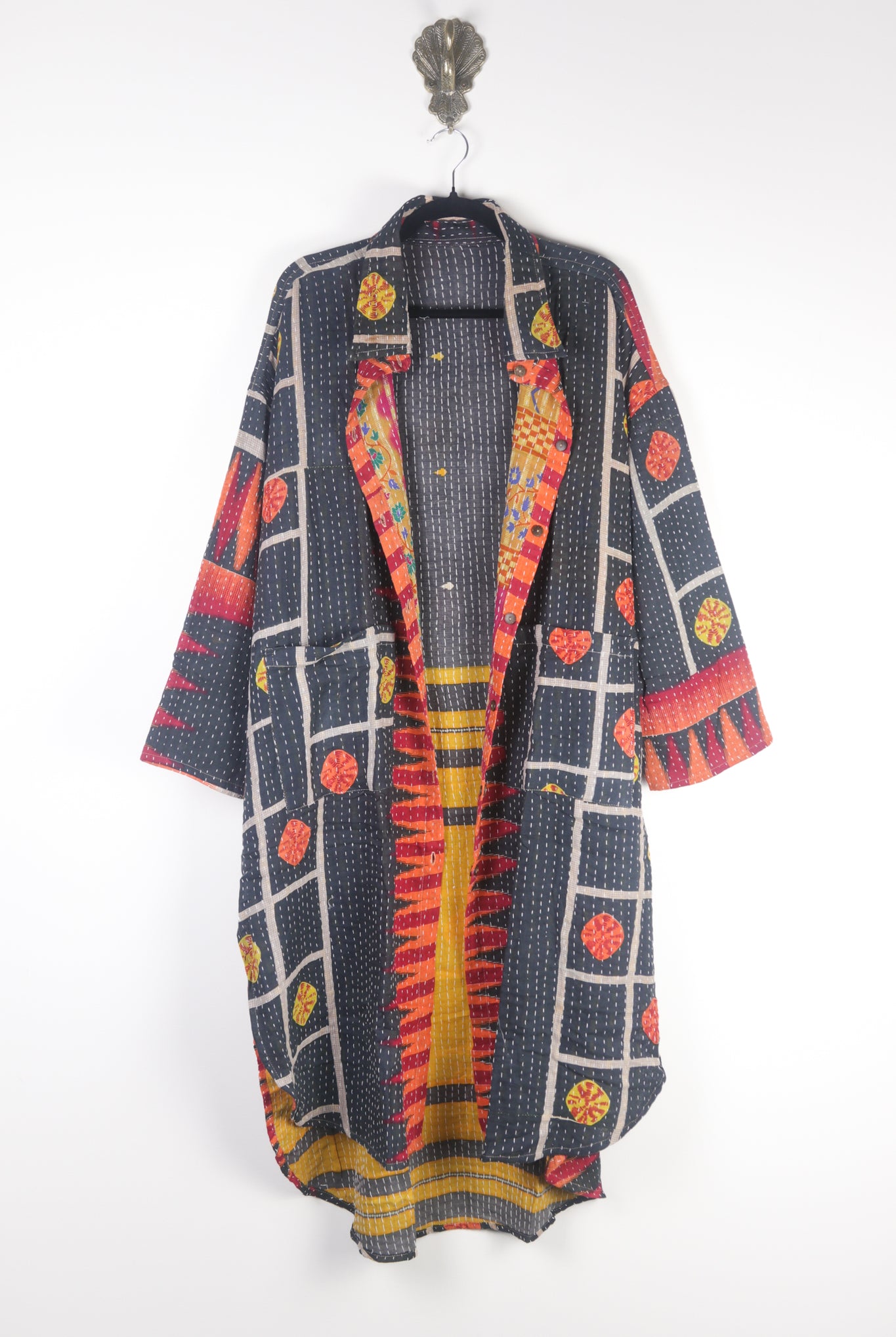
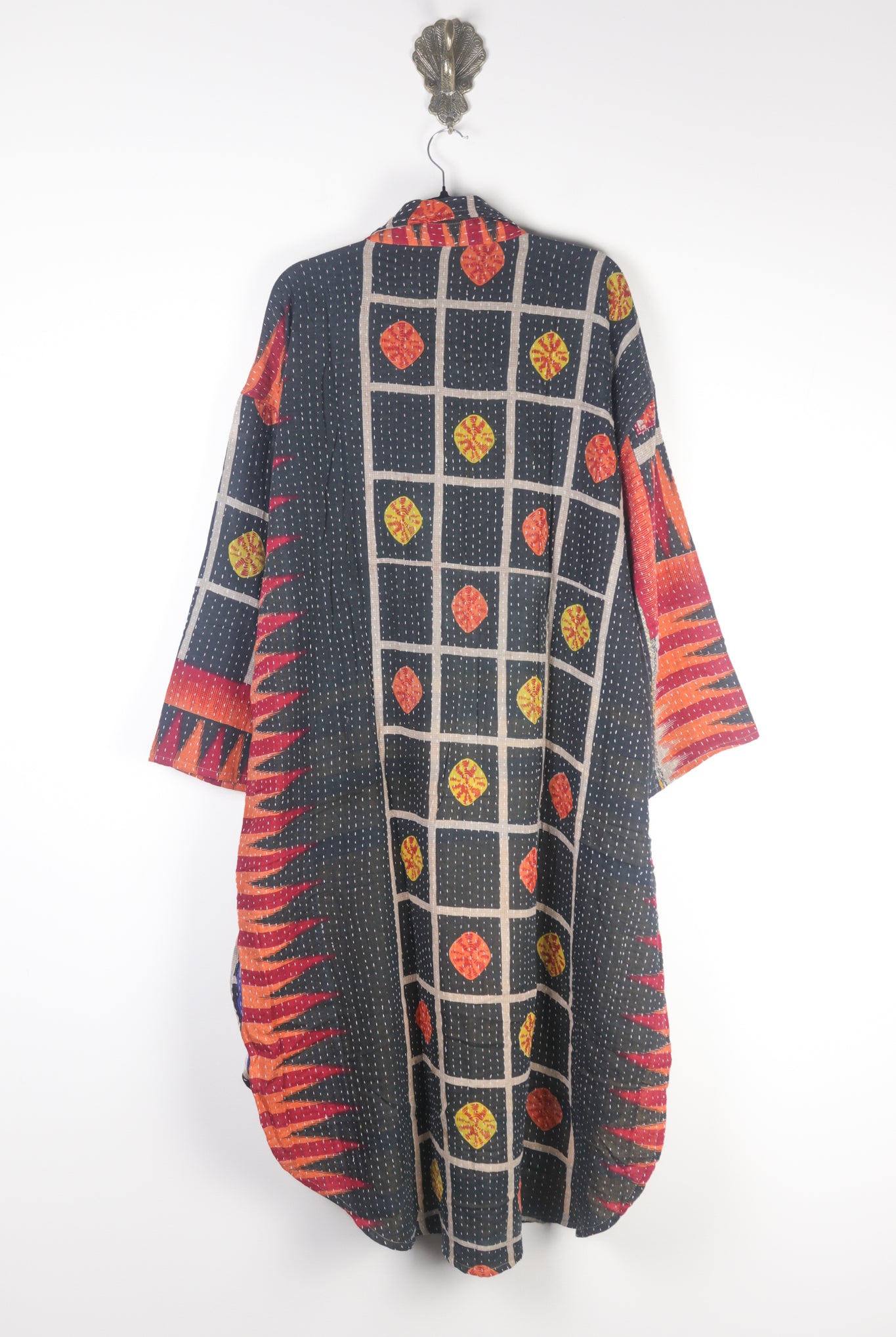
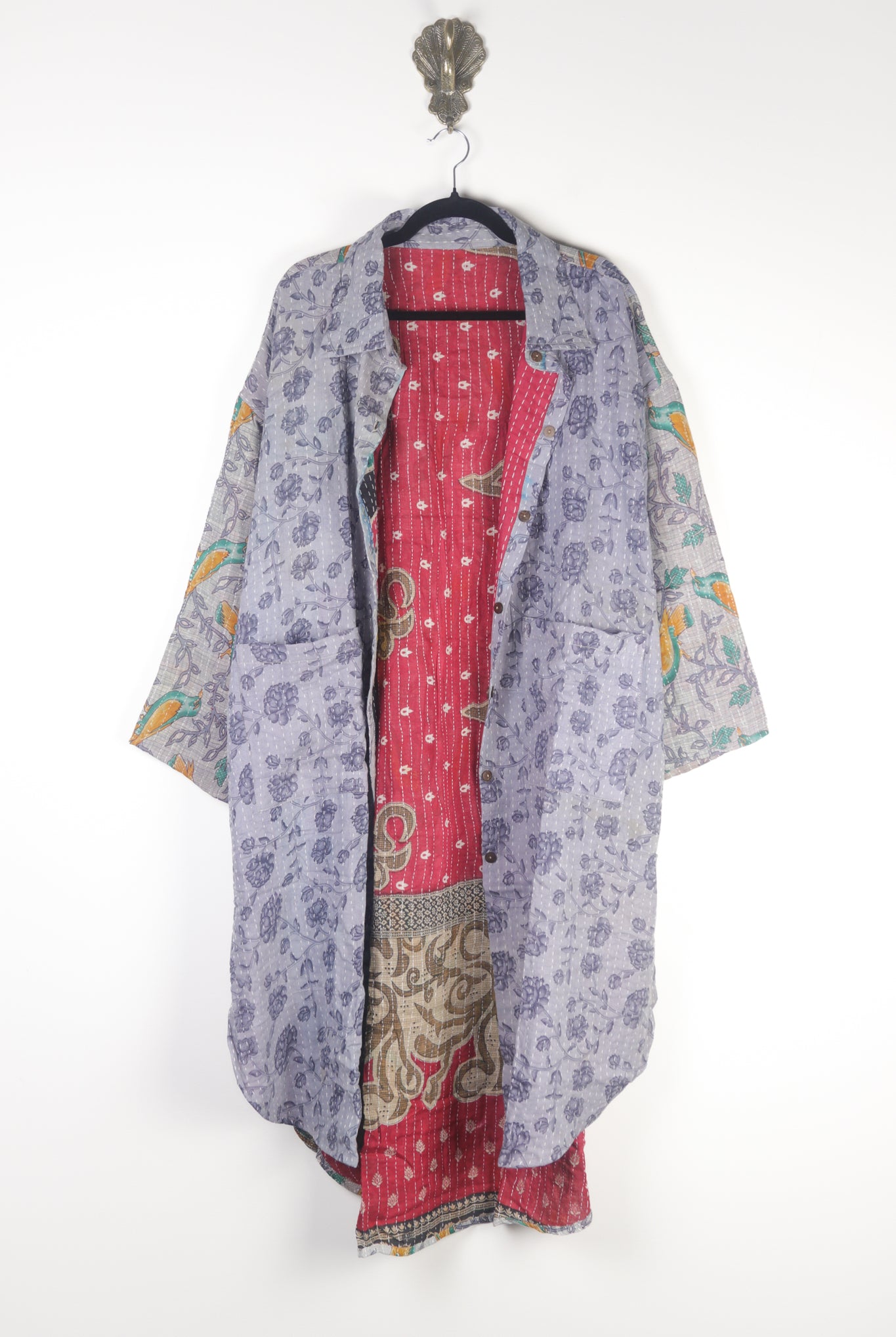
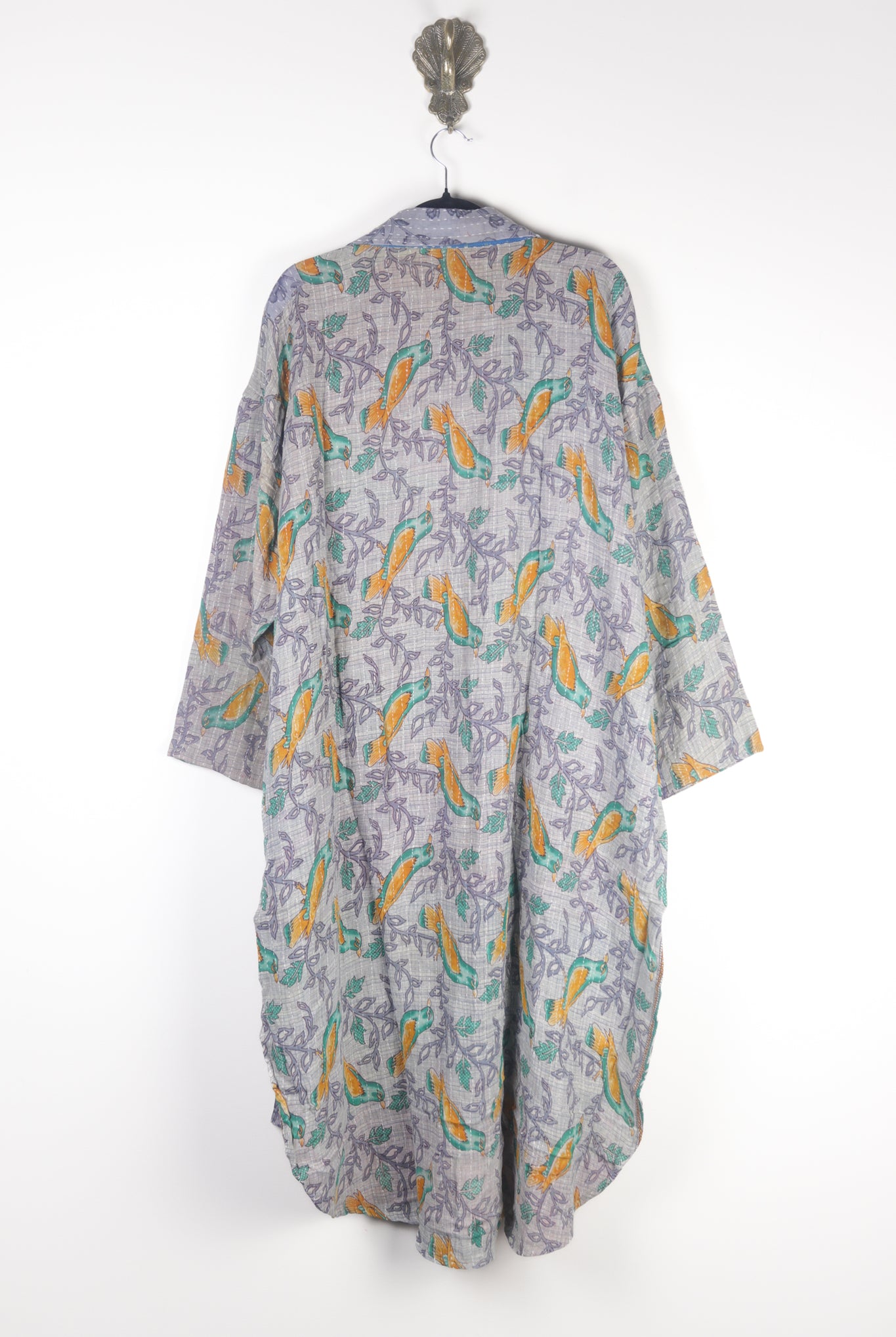
By working exclusively with reclaimed fabrics, we give new life to materials that already exist, avoiding the need for new production, dyeing, and the heavy water usage that comes with it. Every piece carries a past life, reimagined into something new.
Reducing Water and Energy Use
Our approach to production is centred on using less, not more.
One of our partner workshops in India, along with our Kantha HQ in Australia, has always run exclusively on solar power, significantly reducing energy-related emissions. At our Australian HQ, we also rely on rainwater tanks, minimising additional water use.
By choosing recycled and pre-existing fabrics, we further reduce the need for water-intensive processes, keeping our overall resource use low.
Designing with Nothing to Waste
We believe every piece of fabric has potential.
In 2025, we continued to repurpose kantha offcuts into pockets, drawstrings, trims, and the fabric ties we use to wrap your orders. These ties often go on to live many more lives, from craft projects to headbands and beyond (we love seeing what you create).

Packaging with Purpose
All of our shipping materials are fully recyclable and made using FSC-certified, post-consumer recycled materials, printed with water-based inks and sealed with potato-starch adhesive tapes.
We’ve also worked closely with our partners in India and Bali to eliminate plastic packaging across our supply chain, including during shipping.
Supporting People Behind the Pieces
Sustainability is as much about people as it is about the planet.
In 2025, our operations supported over 5,000 jobs, many of them for women, through our partnerships in India and Bali.
Our partners carefully oversee their workshops to ensure transparency, fair pay, safe and healthy working conditions, and zero underage labour or discrimination. Many go further, providing healthcare, meals, pensions, and financial support to their teams.

Everyday Practices That Add Up
On a smaller scale, we continue to make conscious choices in our day-to-day operations.
We operate largely paper-free, reuse materials wherever possible, avoid synthetic fragrances and chemicals, and use tags made from recycled kraft card.
These small decisions are part of a bigger commitment to doing better wherever we can.
Looking Ahead
We know this is an ongoing journey, and we’re always looking for ways to do better.
One of our key goals is to introduce a digital product passport system, allowing each garment to be traced throughout the entirety of its lifecycle. This will support a more circular system while offering a deeper level of transparency, so you can understand exactly where your piece has come from and how it was made.
We’re also beginning our journey towards carbon offsetting, intending to further reduce and balance our environmental impact over time.
Within our Bohemian Basics range, we’re continuing to expand our use of low-impact materials, with more styles in organic cotton and LENZING™ ECOVERO™ on the horizon.
To stay informed about our sustainability milestones, you can subscribe to our mailing list, find us on Instagram or join our vibrant Facebook community group.